
While the terms "AI assistant" and "chatbot" are often used interchangeably, a true personal AI assistant represents an evolution beyond the conversational interface of a standard chatbot, offering deeper integration, proactive capabilities, and a more persistent understanding of user context. The core difference lies in their operational approach: chatbots are primarily reactive conversational tools, whereas personal AI assistants aim to be proactive agents that anticipate needs and execute tasks across multiple applications.
What defines a personal AI assistant?
A personal AI assistant is an intelligent system designed to understand user intent, maintain context across interactions, and proactively perform tasks or provide information, often integrating with various digital services. Unlike a simple chatbot, which typically responds to direct queries within a single interface, a personal AI assistant acts with a degree of agency, learning user preferences and operating across different applications and devices to manage aspects of a user's digital life.
Key characteristics include:
- Proactivity and Agency: A personal AI assistant doesn't just wait for commands; it can initiate actions based on learned patterns or anticipated needs. For example, it might suggest a calendar event, order groceries when supplies are low, or flag important emails without being explicitly asked. This requires a level of "agency" — the ability to act on its own behalf within defined parameters. What AI Agents Can Actually Do Without Human Help explores this concept further.
- Deep Contextual Understanding: Beyond a single conversation, a personal AI assistant maintains a persistent memory of user preferences, past interactions, and information from connected services. This allows it to provide more relevant and personalized assistance over time, understanding the broader context of a user's life and work.
- Multi-modal and Multi-application Integration: These assistants are designed to operate across various platforms — from smartphones and smart home devices to web applications and enterprise software. They can process different types of input (voice, text, images) and interact with multiple services (calendars, email, messaging apps, productivity tools) to accomplish complex tasks.
- Personalization and Learning: Through continuous interaction, a personal AI assistant learns individual habits, preferences, and workflows. This learning allows it to tailor its responses and actions, becoming more effective and intuitive for its specific user.
How a personal AI assistant differs from a chatbot
The distinction between a personal AI assistant and a chatbot is not always clear-cut, as capabilities evolve, but it generally revolves around scope, proactivity, and integration.
Scope and purpose
Chatbots: Typically designed for specific, often narrow, conversational tasks. They excel at answering FAQs, providing customer support, or guiding users through a predefined process within a single application or website. Their primary purpose is to simulate human conversation to resolve immediate queries or provide information. They are reactive, waiting for user input.
Personal AI Assistants: Aim for a broader scope, acting as a central hub for managing various aspects of a user's digital life. Their purpose extends beyond conversation to task execution, information synthesis, and proactive management across different domains. They are designed to be an ongoing, evolving partner rather than a one-off interaction tool.
Proactivity vs. reactivity
Chatbots: Are fundamentally reactive. They respond to user prompts and questions. If you don't ask, they don't act. Even advanced chatbots that remember conversation history are still waiting for the next input to generate a response. What Actually Happens When You Send a Prompt to an AI Model details this reactive process.
Personal AI Assistants: Exhibit proactivity. They can monitor conditions, anticipate needs, and initiate actions without explicit prompting. For instance, a personal AI assistant might remind you to leave for an appointment based on real-time traffic data, or suggest ordering a gift for an upcoming birthday it knows about from your calendar and contacts.
Integration and context
Chatbots: Often operate in isolation or with limited integration to external systems. While they might pull information from a knowledge base, their "memory" is usually confined to the current conversation session or a short history. They lack a persistent, holistic view of the user's digital environment.
Personal AI Assistants: Are deeply integrated into a user's ecosystem of apps, devices, and data. They leverage this integration to build a rich, persistent context about the user's preferences, schedule, location, and habits. This allows them to understand nuanced requests and perform complex, multi-step tasks that span different services.
Learning and personalization
Chatbots: May offer some level of personalization based on current conversation cues, but their learning is generally limited to improving their ability to answer specific types of questions or follow scripts more effectively. They don't typically learn about the user's broader life context.
Personal AI Assistants: Continuously learn from user interactions, explicit preferences, and observed behaviors across all integrated services. This learning contributes to a progressively more personalized experience, where the assistant adapts its suggestions and actions to better fit the individual user over time.
The evolution from chatbot to personal AI assistant
The journey from a basic chatbot to a sophisticated personal AI assistant reflects the broader advancements in AI, particularly in areas like natural language understanding, machine learning, and agentic capabilities. Early chatbots were rule-based, following predefined scripts. Modern chatbots, powered by large language models (LLMs), offer much more fluid and human-like conversations, but still largely operate within a reactive, conversational framework.
The "personal AI assistant" concept pushes beyond this by embedding the conversational interface within a broader framework of intelligence, agency, and integration. It moves from merely understanding language to understanding user intent within a personal context and acting upon it across a digital ecosystem. This shift requires not just better language models, but also robust integration frameworks, privacy-preserving data handling, and sophisticated planning and execution capabilities.
Practical implications for users
For users, the distinction means moving from a tool that answers questions to a partner that helps manage daily life and work. A chatbot might tell you the weather; a personal AI assistant might tell you to bring an umbrella because it knows you have an outdoor meeting scheduled and sees rain in the forecast. This level of proactive, context-aware assistance promises to offload cognitive load and automate routine tasks, making digital interactions more smooth and efficient.
However, this also introduces new considerations around data privacy, security, and user control. The more deeply an AI assistant integrates into your personal data and takes autonomous actions, the more critical it becomes to understand how that data is used and to ensure you maintain ultimate control over its operations.
Comparing common AI tools and their roles
To further clarify the distinction between chatbots and personal AI assistants, let’s examine some well-known tools and products. This comparison highlights their primary functions, limitations, and ideal use cases, illustrating where they fit on the spectrum of AI-powered interaction.
| Tool | Where it helps | Key limitation | When to choose it |
|---|---|---|---|
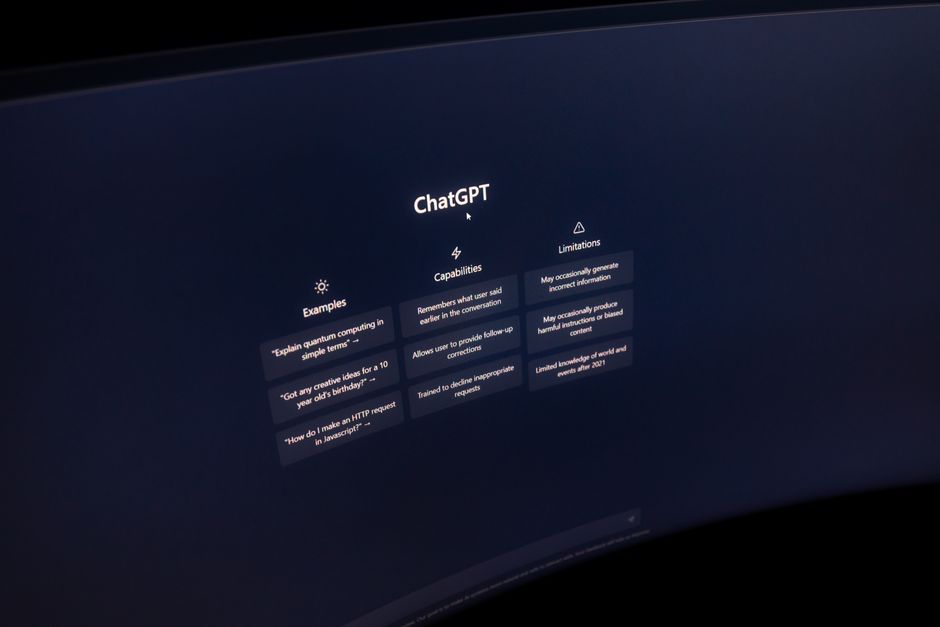
| ChatGPT (or similar LLM chatbots) | Generating text, brainstorming ideas, answering general knowledge questions, summarizing information, creative writing. | Lacks persistent memory across sessions, cannot proactively act on user data, limited integration with external systems for task execution. | For quick information retrieval, creative assistance, or conversational exploration without needing deep personal context or task automation. |
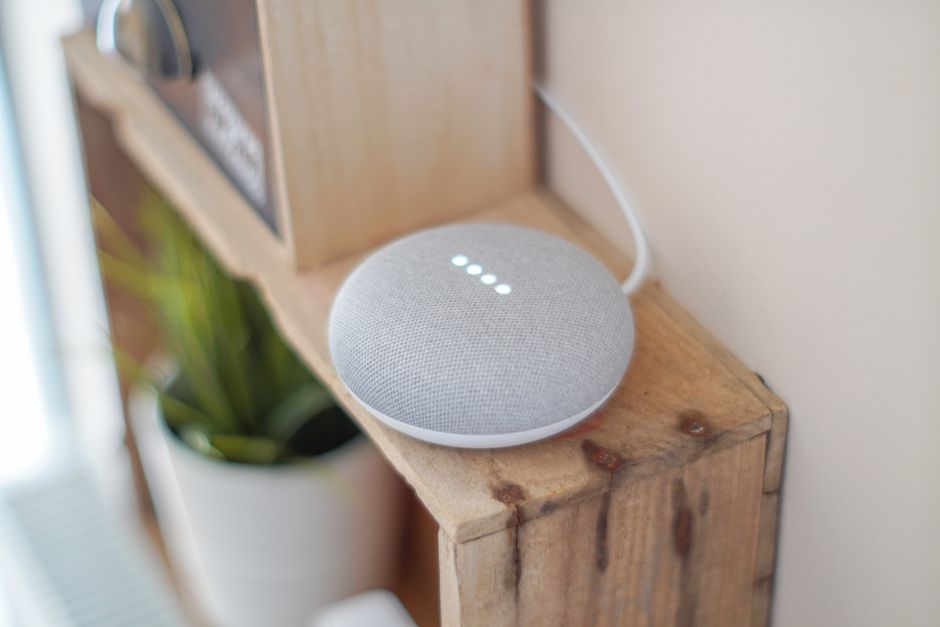
| Google Assistant / Siri / Alexa | Setting alarms, playing music, making calls, controlling smart home devices, providing real-time information (weather, traffic), managing calendar events. | Primarily reactive to direct voice commands, limited ability to learn complex personal workflows, often siloed within their respective ecosystems. | When you need hands-free control of devices, quick answers to factual questions, or basic task management within a smart home or mobile environment. |
| Microsoft Copilot (in M365) | Drafting emails, summarizing documents, generating presentations, analyzing data in spreadsheets, scheduling meetings, automating routine office tasks. | Requires deep integration within the Microsoft 365 ecosystem, learning is primarily within work context, may require explicit prompts for complex actions. | For enhancing productivity within a professional context, automating repetitive tasks across Microsoft 365 applications, and leveraging work data for insights. |
| Custom customer service chatbots | Answering frequently asked questions, guiding users through troubleshooting steps, collecting basic customer information, providing 24/7 support. | Narrow scope of knowledge, often rule-based or limited to specific conversational flows, cannot handle complex, nuanced, or out-of-scope inquiries. | When providing immediate, consistent support for common customer queries, reducing call center volume, or automating simple transactional processes. |
The practical takeaway
While "chatbot" often refers to any conversational AI, a personal AI assistant represents a more advanced form of AI interaction. It distinguishes itself through its ability to be proactive, deeply integrated across multiple applications, and highly personalized through continuous learning. This evolution moves beyond simple question-and-answer to a system that anticipates needs and executes tasks autonomously, aiming to become an indispensable part of a user's digital life. Understanding this distinction helps in evaluating AI tools and anticipating the future direction of human-AI collaboration.




Leave a Comment