
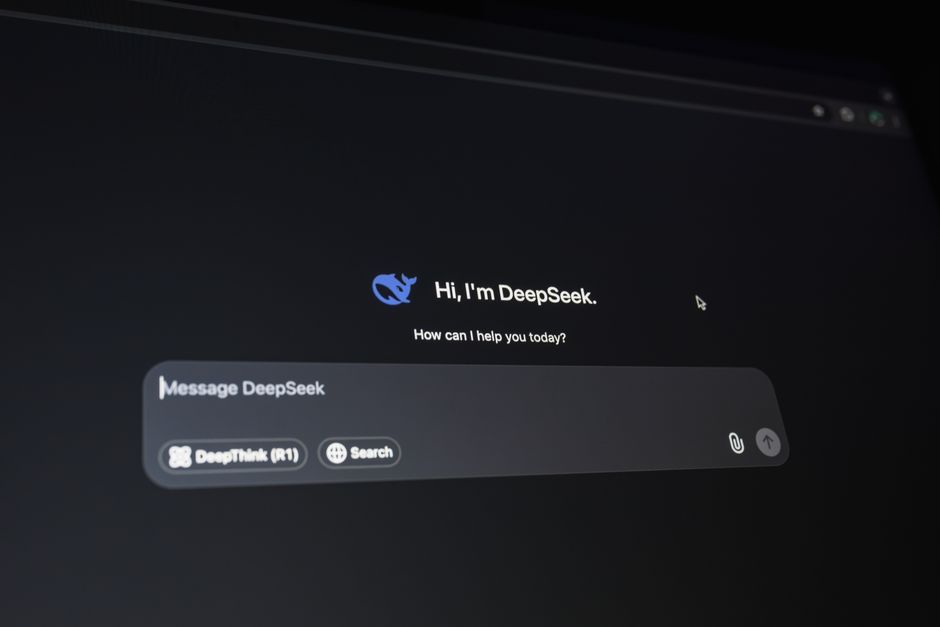

The integration of artificial intelligence into search engines is fundamentally altering how users interact with search results, moving beyond traditional ten blue links to direct, summarized answers. This shift, driven by large language models, means that for many queries, users receive a concise answer directly within the search interface, often reducing the need to click through to a website. For content creators, publishers, and businesses relying on organic search traffic, this trend presents a significant re-evaluation of established SEO strategies and content value propositions.
AI search answers are designed to provide immediate, synthesized information, drawing from multiple sources to construct a single, authoritative response. While this enhances user convenience, it also means that the "zero-click search" phenomenon, where users find their answer without leaving the search engine, is becoming more prevalent. This directly impacts website traffic, as the traditional pathway from search query to website visit is being circumvented for an increasing number of informational searches.
Why AI search is changing user behavior
AI-powered search experiences, such as Google’s Search Generative Experience (SGE) or Perplexity AI, leverage advanced natural language processing to understand complex queries and generate comprehensive answers. Unlike traditional search, which primarily indexes keywords and ranks pages, AI search aims to comprehend intent and synthesize information. This capability allows search engines to answer questions directly, summarize topics, and even generate creative content, often citing sources but presenting the core information upfront.
This evolution is driven by the desire to provide more efficient and satisfying user experiences. Users can get quick facts, definitions, or step-by-step instructions without navigating through multiple web pages. For instance, if a user asks "How does a heat pump work?", an AI search answer might provide a concise explanation and diagram, rather than a list of articles to click on. This immediate gratification reduces the incentive to visit a website, particularly for queries seeking factual or definitional information. The underlying technology, often involving sophisticated retrieval-augmented generation (RAG) systems, allows these AI models to pull relevant snippets from the web and present them in a coherent format. 
The direct impact on website traffic
The most immediate consequence of AI search answers is a potential reduction in organic click-through rates (CTR) for certain types of content. Websites that primarily offer factual information, definitions, or simple how-to guides are particularly vulnerable. If the AI can provide the complete answer, users have less reason to visit the source website. This doesn’t mean traffic will disappear entirely, but its nature will change.
Content that requires deeper engagement, offers unique perspectives, provides interactive tools, or involves complex problem-solving may retain its value. For example, while an AI might summarize a product's features, a user looking for detailed reviews, user testimonials, or comparison tables might still click through to a specialized review site. Similarly, content that builds community, offers proprietary data, or requires a login will likely remain click-worthy. The shift forces content creators to think beyond simply providing information and instead focus on delivering unique value that cannot be easily summarized or replicated by an AI.
Adapting content strategy for AI-first search
To thrive in an AI-first search landscape, content creators must evolve their strategies beyond traditional keyword optimization. The focus should shift from merely being found to being indispensable. This involves creating content that offers depth, unique insights, and experiences that an AI summary cannot fully replicate.
- Focus on unique expertise and original research: Publish proprietary data, case studies, expert interviews, or novel analyses that offer a perspective not widely available. This makes your content a primary source that AI might cite, but users will still seek out for the full context.
- Provide actionable solutions and tools: Instead of just explaining a concept, offer practical guides, templates, calculators, or interactive tools that help users solve a problem. These are harder for an AI to fully "answer" within a snippet.
- Build authority and trust: Establish your brand as a credible, authoritative voice in your niche. Users may still seek out trusted sources even if an AI provides a summary, especially for sensitive or critical information. This also means ensuring your content is factually accurate and well-supported.
- Optimize for "follow-up" queries: While an AI might answer a basic question, users often have subsequent, more complex questions. Structure your content to anticipate these deeper dives, guiding users from a basic understanding to advanced applications or nuanced considerations.
- Embrace multimedia and interactive elements: Videos, podcasts, interactive infographics, and quizzes offer engagement that plain text summaries cannot. These can draw users to your site even if the initial informational need is met by an AI.
The goal is to create content that, even if summarized by an AI, still compels a user to visit for the full experience, deeper understanding, or practical application. This also means understanding that not all content is equally affected; highly transactional or deeply analytical content may see less impact than purely informational content. For more on how search is changing, consider why AI search is fundamentally changing how we find information.
The role of brand and direct engagement
As AI search answers become more prevalent, the importance of brand recognition and direct audience engagement grows. If users are less likely to discover your content through generic search queries, building a loyal audience through other channels becomes critical. This includes email newsletters, social media, community forums, and direct traffic from established brand recognition. 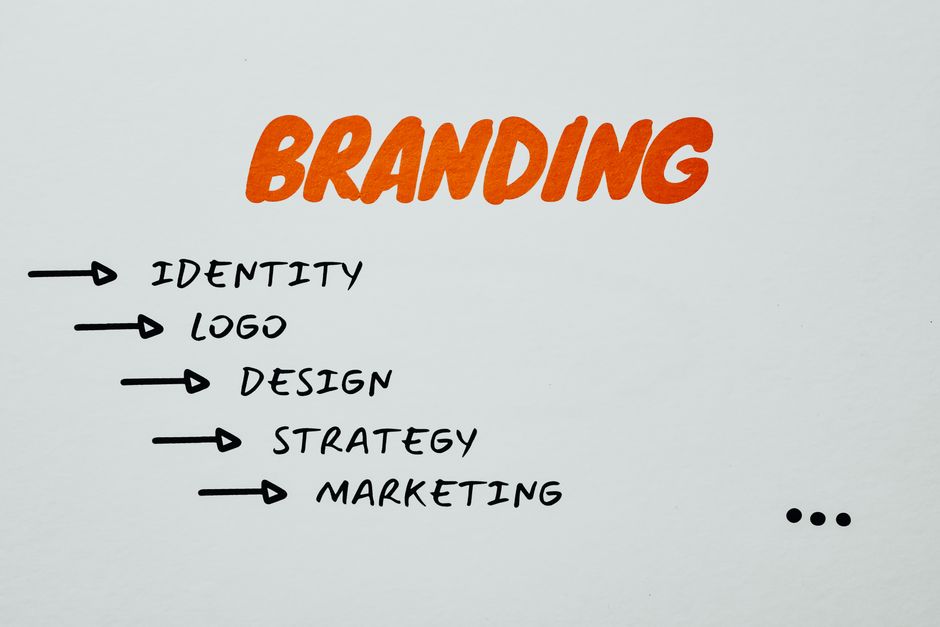
A strong brand can act as a "pull" factor, encouraging users to seek out your site directly or through branded searches, even if an AI could provide a summary. This shifts the focus from purely SEO-driven discovery to a more holistic marketing approach that values direct relationships with the audience. Content creators might also explore strategies like why an authentic voice is more critical than ever in the AI age to differentiate themselves.
Comparing AI-powered search and content tools
As the landscape of information retrieval evolves, various tools and platforms are emerging, each offering distinct approaches to AI-powered search or content creation. Understanding their strengths and limitations can help content creators and businesses navigate this new environment.
| Tool | Where it helps | Key limitation | When to choose it |
|---|---|---|---|
| Google Search (with SGE) | Provides integrated AI summaries directly within the familiar search interface, offering quick answers for many queries and linking to sources for deeper dives. | Still prioritizes traditional search results for many query types; AI answers can sometimes lack depth or unique perspectives found on original sites. | For general information, quick facts, or when you need a blend of AI summaries and traditional web results to explore further. |
| Perplexity AI | Excels at synthesizing information from multiple sources into comprehensive, cited answers, often providing a more academic or research-oriented summary than traditional search. | Primarily focused on informational synthesis; less effective for transactional queries or discovering new websites without a specific informational need. | When you need a detailed, cited answer to a complex question, or for research purposes where source attribution is critical. |
| ChatGPT (or similar LLMs) | Generates original content, brainstorms ideas, summarizes texts, and helps in drafting articles or social media posts, acting as a powerful content creation assistant. | Can sometimes hallucinate information, lacks real-time access to the latest web data unless specifically integrated, and requires careful human oversight for accuracy and tone. | For accelerating content creation, generating drafts, brainstorming, or summarizing existing content, always with human review and fact-checking. |
| Specialized SEO Platforms (e.g., Ahrefs, Semrush) | Offers insights into keyword trends, competitor analysis, and technical SEO, helping identify content gaps and opportunities even in an AI-first world. | While adapting, their core functionality is still rooted in traditional search engine optimization metrics; direct insights into AI answer impact are still evolving. | To understand search demand, analyze competitor strategies, and optimize technical aspects of your site, complementing AI-focused content strategies. |
What this means for content creators and businesses
The rise of AI search answers signals a maturation of the search landscape, demanding a more sophisticated approach to content creation and distribution. For content creators, it means moving beyond simple keyword targeting to creating truly valuable, differentiated content that offers more than just information. For businesses, it necessitates a re-evaluation of how organic search fits into their overall customer acquisition strategy, potentially diversifying traffic sources and investing more in brand building and direct audience engagement.
While the exact long-term impact on website traffic remains an evolving picture, the trend is clear: content that provides unique value, deep expertise, and engaging experiences will be better positioned to thrive. The era of "more content is better" is giving way to "better, more indispensable content is essential."




Leave a Comment