


Unlocking Innovation: The Power of AI in Idea Validation
Every great product or service starts with an idea. But not every idea is a great one. The journey from a spark of inspiration to a successful launch is fraught with uncertainty, and one of the biggest hurdles is validating whether your idea truly has potential. Traditionally, this process has been time-consuming, expensive, and often reliant on limited data. Enter artificial intelligence – a game-changer that’s transforming how we assess, refine, and validate our most promising concepts.
At TechDecoded, we believe in making complex tech accessible. Today, we’re diving deep into how AI can be your most powerful ally in the crucial phase of idea validation, helping you save resources, mitigate risks, and build with confidence.
What is idea validation and why it matters
Idea validation is the process of testing and proving the viability of a business concept or product idea before significant resources are invested. It’s about answering fundamental questions: Is there a real problem to solve? Do people want this solution? Will they pay for it? Is the market large enough? Without proper validation, even the most brilliant-sounding ideas can fall flat, leading to wasted time, money, and effort.
Think of it as building a house. You wouldn’t start laying bricks without checking the blueprints, surveying the land, and ensuring there’s a demand for homes in that area. Idea validation is your blueprint check for innovation.

Traditional validation challenges: a slow and costly path
Historically, validating an idea involved extensive manual labor: conducting surveys, focus groups, interviews, competitive analysis, and market research reports. While valuable, these methods often come with significant drawbacks:
- Time-consuming: Gathering sufficient data can take weeks or even months.
- Expensive: Professional market research, participant incentives, and analyst time add up quickly.
- Limited scope: Manual methods often rely on small sample sizes, potentially leading to biased or incomplete insights.
- Lagging data: By the time data is collected and analyzed, market conditions might have already shifted.
These challenges often force innovators to make decisions based on gut feelings or incomplete information, increasing the risk of failure.

How AI transforms idea validation: a data-driven advantage
AI brings unprecedented speed, scale, and accuracy to the validation process. By leveraging machine learning algorithms, natural language processing (NLP), and vast datasets, AI tools can provide insights that were previously impossible to obtain.
Market research and trend analysis at warp speed
Instead of sifting through countless reports, AI can analyze billions of data points from social media, news articles, academic papers, forums, and search engine queries. It identifies emerging trends, unmet needs, and shifts in consumer behavior in real-time. This allows you to spot opportunities and potential pitfalls long before your competitors.
- Identifying emerging niches: AI can detect subtle patterns indicating new market segments.
- Predicting future demand: By analyzing historical data and current trends, AI can forecast product interest.
- Sentiment analysis on topics: Understand public perception around specific concepts or keywords.

Competitor analysis with surgical precision
Understanding your competition is crucial. AI tools can monitor competitor activities, product launches, pricing strategies, customer reviews, and even their marketing campaigns across various platforms. This provides a comprehensive view of the landscape, helping you identify gaps in the market, differentiate your offering, and refine your unique selling proposition.
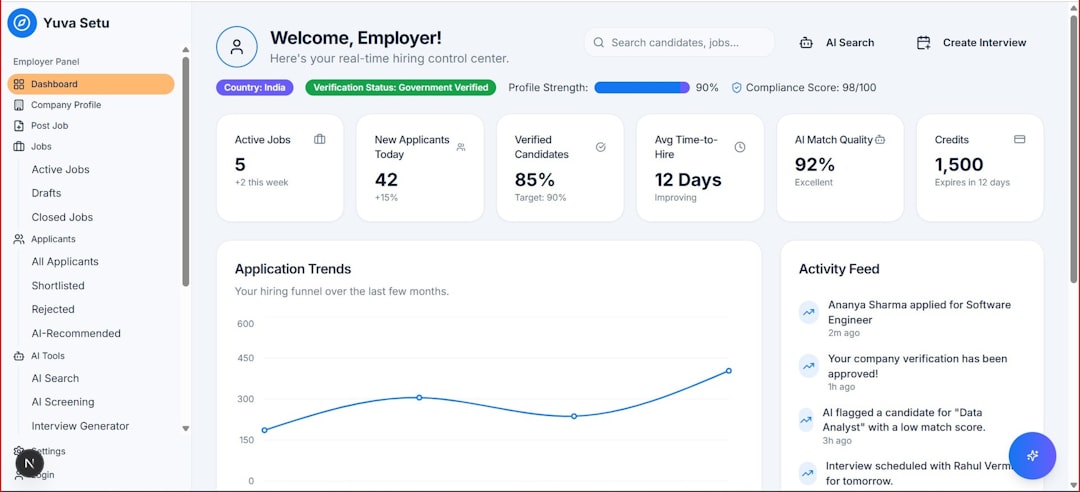
Unlocking customer feedback and sentiment at scale
Imagine analyzing millions of customer reviews, forum discussions, and social media comments in minutes. AI-powered sentiment analysis can gauge public opinion about existing products, identify pain points, and uncover features users wish they had. This direct, unfiltered feedback is invaluable for shaping your idea to truly meet user needs.
- Identifying pain points: Pinpoint common frustrations with existing solutions.
- Discovering desired features: Uncover what users are actively asking for.
- Understanding emotional responses: Gauge the sentiment (positive, negative, neutral) towards specific products or ideas.
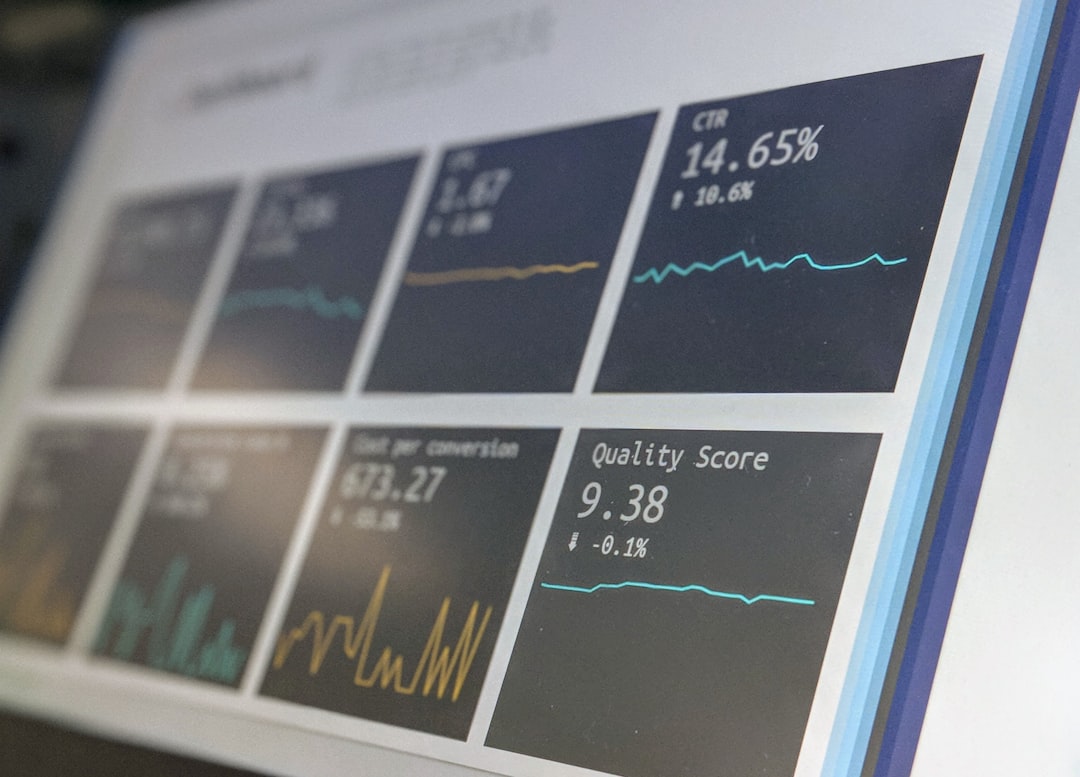
Predictive analytics for demand forecasting
Beyond current trends, AI can use predictive models to forecast future demand for your idea. By analyzing historical sales data, economic indicators, seasonal patterns, and even geopolitical events, AI can provide more accurate projections, helping you assess the potential market size and revenue streams.

Rapid prototyping and simulation for concept testing
While not strictly “validation” in the market sense, AI can assist in the early stages of concept testing. Tools can generate variations of product designs, simulate user interactions, or even create virtual prototypes based on textual descriptions. This allows for quick iteration and refinement before any physical development begins, saving significant costs.
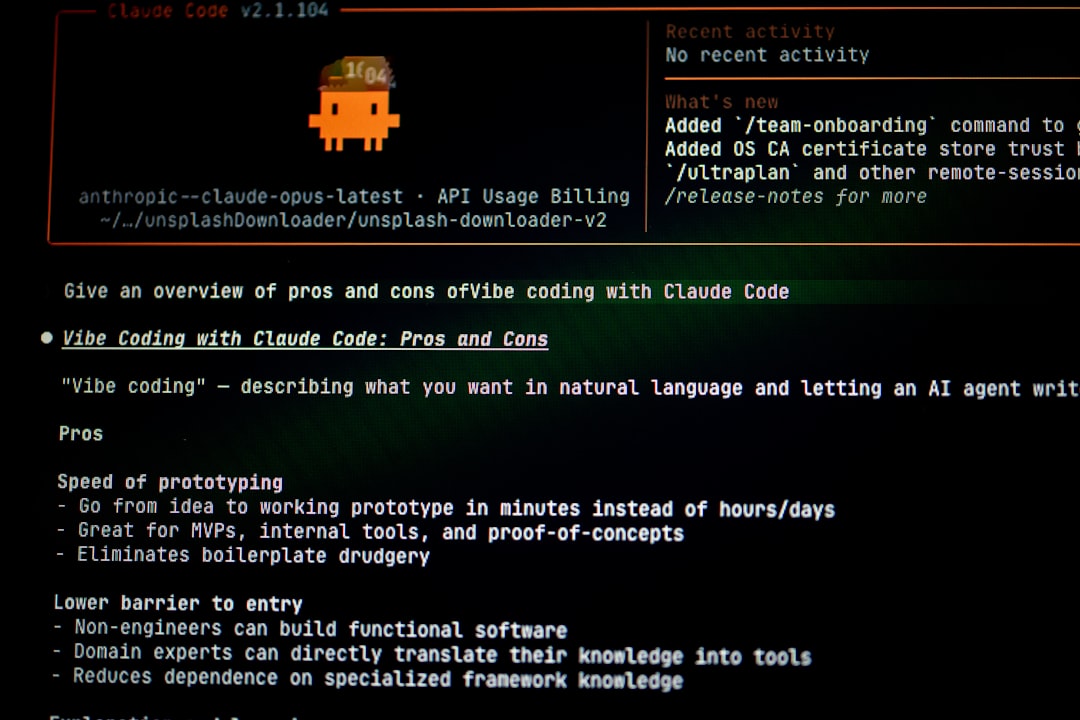
Practical steps to leverage AI for your idea validation
Ready to put AI to work? Here’s a simplified approach:
- Clearly define your idea and target audience: Before AI can help, you need a clear hypothesis. What problem are you solving? For whom?
- Choose the right AI tools: Depending on your needs, this could range from general market intelligence platforms (e.g., Google Trends, SEMrush, social listening tools with AI features) to specialized AI-powered survey analysis or sentiment analysis platforms.
- Feed the AI with relevant data: Provide keywords, competitor names, existing product descriptions, or even early concept documents. The more specific your input, the better the output.
- Analyze and interpret the insights: AI provides data, but human intelligence is crucial for interpretation. Look for patterns, anomalies, and actionable recommendations.
- Iterate and refine: Use the AI insights to adjust your idea, pivot if necessary, or double down on promising aspects. Validation is an iterative process.

Embracing an AI-powered future for innovation
The era of gut-feeling product launches is rapidly fading. AI offers an unparalleled opportunity to inject data-driven confidence into your innovation process. By embracing these powerful tools, you’re not just validating ideas; you’re building a more resilient, responsive, and ultimately more successful path for your ventures.
At TechDecoded, we encourage you to explore these AI capabilities. Start small, experiment with different tools, and witness firsthand how artificial intelligence can transform your next big idea from a hopeful concept into a validated success story.

Leave a Comment