
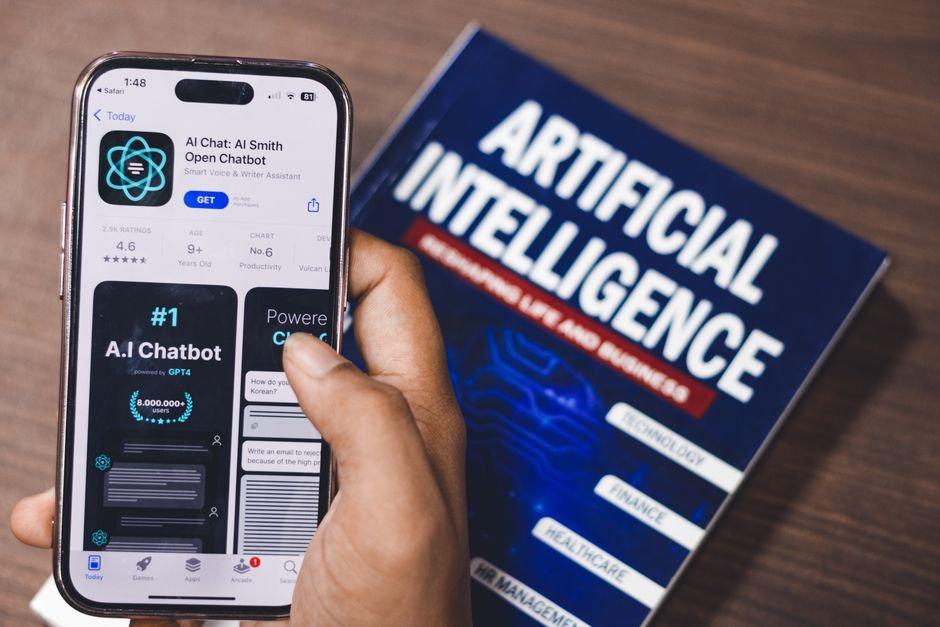

By 2026, the landscape of AI chatbots will be defined less by a handful of general-purpose giants and more by a diverse ecosystem of highly specialized tools. This shift is driven by the increasing demand for AI solutions that offer precision, efficiency, and tailored functionality for specific tasks and industries, moving beyond the "one-size-fits-all" approach that characterized early AI assistants.
Why general-purpose chatbots are giving way to specialists
The initial wave of AI chatbots showcased impressive general capabilities, but their broad utility often came with trade-offs in accuracy, domain-specific knowledge, and operational efficiency. As organizations and individual users seek deeper integration of AI into critical workflows, the limitations of generalist models become apparent. Specialized chatbots, in contrast, are designed and optimized for particular use cases, allowing them to excel where generalists fall short.
One key factor driving this trend is the need for improved performance and reliability in specific contexts. A chatbot trained extensively on legal documents, for instance, can provide more accurate and nuanced answers to legal queries than a general model, which might struggle with jargon or specific legal precedents. This focus allows for more targeted training data, refined architectures, and optimized inference, leading to better outcomes.

The rise of vertical AI solutions
The market is increasingly segmenting into "vertical AI" solutions, where chatbots are built from the ground up to serve particular industries like healthcare, finance, or customer service. These specialized agents understand the unique terminology, regulatory requirements, and operational nuances of their respective domains.
- Healthcare: Chatbots assist with patient intake, answer FAQs about conditions or medications, and help medical professionals with diagnostic support by accessing vast medical literature. They are often trained on anonymized clinical data and medical journals.
- Finance: Specialized chatbots can handle complex financial queries, provide personalized investment insights, or assist with fraud detection by analyzing transactional data and market trends.
- Customer Service: Beyond basic FAQs, advanced specialized chatbots can manage complex troubleshooting, process returns, or provide personalized product recommendations by integrating deeply with CRM and inventory systems.
This vertical integration means that by 2026, the "top" chatbots will be those that offer the most profound impact within their niche, rather than those with the broadest general knowledge. The ability to integrate smoothly into existing industry-specific software and workflows is also a critical differentiator for these specialized tools. For more on this, consider vertical AI solutions: the next frontier in specialized tech.
Addressing data privacy and security concerns
General-purpose chatbots often operate in the cloud, processing user inputs through large, shared models. While convenient, this model raises significant data privacy and security concerns for sensitive information, especially in regulated industries. Specialized chatbots, particularly those deployed on-premises or as on-device AI, offer a compelling alternative.
By limiting the scope of data they process and often keeping it within an organization’s secure infrastructure, specialized chatbots can meet stringent compliance requirements like GDPR or HIPAA. This localized processing reduces the risk of data breaches and unauthorized access, making them more trustworthy for handling confidential information. This trend aligns with a broader industry move towards more efficient and localized AI systems, as discussed in why Small Language Models are gaining traction in enterprise.
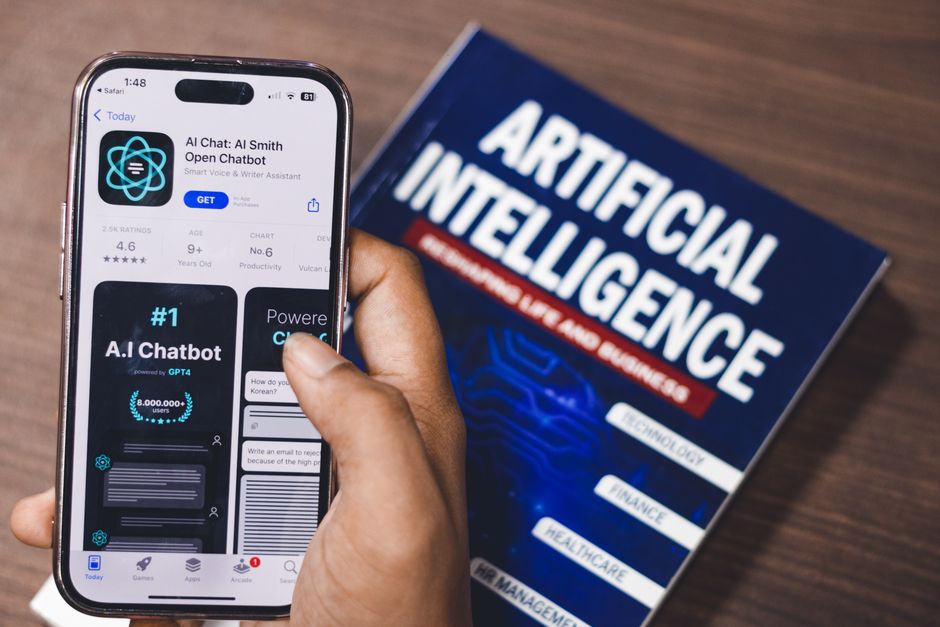
Optimizing for specific tasks and cost efficiency
The specialization of AI chatbots also extends to optimizing for particular tasks, not just domains. For example, a chatbot designed purely for code generation will have a different architecture and training regimen than one focused on creative writing or data analysis. This task-specific optimization leads to higher accuracy and efficiency for its intended purpose.
Furthermore, specialized models can be significantly smaller and more efficient than their general-purpose counterparts. This translates directly into lower inference costs and faster response times. As AI pricing continues to shift towards usage-based models, the economic advantage of highly efficient, specialized chatbots becomes increasingly significant for businesses looking to scale their AI deployments without incurring prohibitive expenses. This focus on efficiency is critical, as AI inference cost is now as critical as model quality.
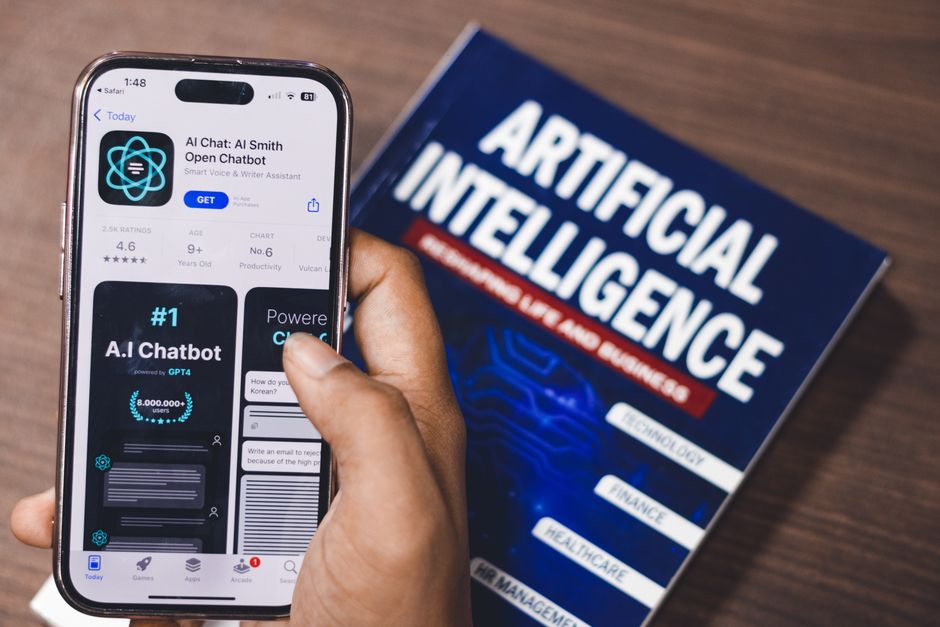
Examples of specialized AI chatbots in action
To illustrate the practical impact of this specialization, let’s examine a few prominent AI tools that have carved out distinct niches. These examples highlight how tailored design and training lead to superior performance within specific domains, offering a glimpse into the diverse ecosystem of AI solutions emerging by 2026.
| Tool | Where it helps | Key limitation | When to choose it |
|---|---|---|---|
| GitHub Copilot | Accelerates software development by suggesting code, completing functions, and generating tests across various programming languages. | Can sometimes generate suboptimal or insecure code, requiring human review and refinement. | For developers seeking to boost productivity, reduce boilerplate, and explore new coding patterns efficiently. |
| Jasper | Generates marketing copy, blog posts, social media content, and ad creatives, optimized for brand voice and conversion. | Output may lack deep human nuance or originality for highly creative, subjective tasks without significant prompting. | For marketing teams and content creators needing to scale content production, maintain brand consistency, and overcome writer’s block. |
| Harvey AI | Assists legal professionals with contract analysis, legal research, due diligence, and litigation support by processing vast legal datasets. | Requires expert oversight to ensure legal accuracy and compliance, as it does not provide legal advice. | For law firms and legal departments aiming to streamline document review, enhance research capabilities, and improve case preparation efficiency. |
| Nuance DAX (Dragon Ambient eXperience) | Automates clinical documentation by converting patient-physician conversations into structured notes directly into the EHR system. | Relies on clear audio and specific conversational patterns; may struggle with complex or highly nuanced medical discussions. | For healthcare providers looking to reduce administrative burden, improve documentation accuracy, and increase time spent with patients. |
The practical takeaway for businesses
For businesses evaluating AI chatbot solutions by 2026, the key will be to identify specific problems or workflows that can benefit from targeted AI. Instead of seeking a single "best" chatbot, organizations will need to consider a portfolio of specialized agents, each excelling in its designated role. This approach allows for greater precision, enhanced security, and better cost control, ultimately leading to more impactful AI integration.
The future of AI chatbots is not about finding one model that does everything adequately, but about deploying multiple intelligent agents that do specific things exceptionally well. This specialization will make use of new levels of productivity and innovation across diverse industries.




Leave a Comment