

The Allure of Thinking Fast
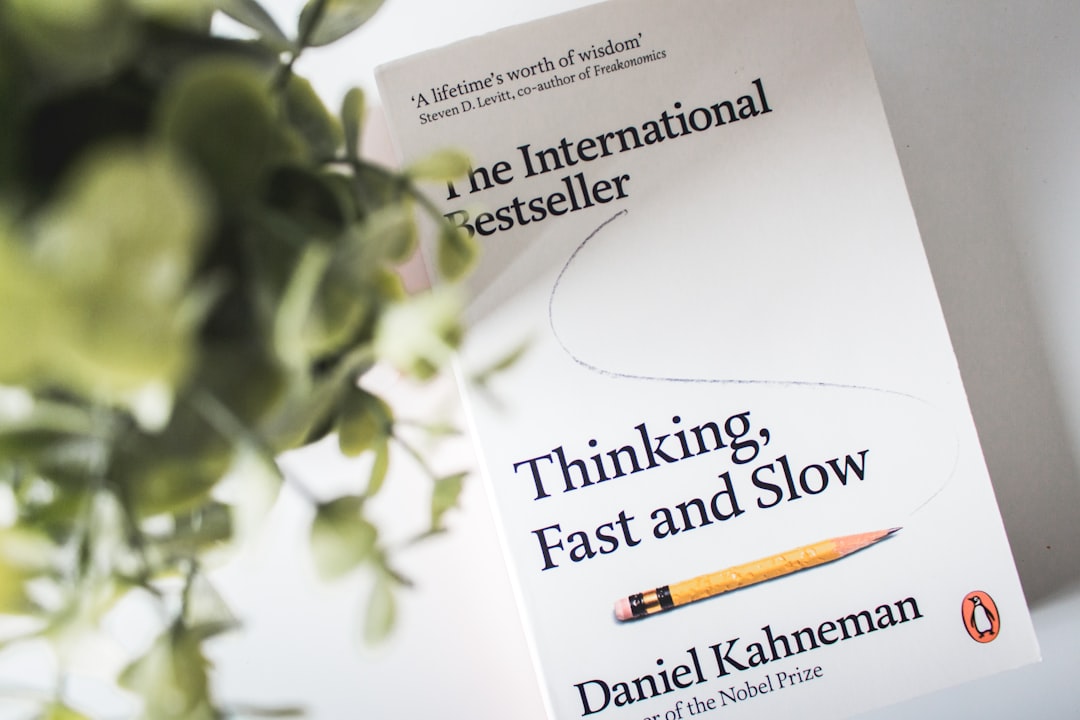
In our fast-paced digital world, the ability to think quickly often feels like a superpower. From swiping left or right on an app to making snap judgments about search results, our brains are constantly engaged in rapid-fire decision-making. This ‘fast thinking’ – often referred to as System 1 thinking by psychologist Daniel Kahneman – is intuitive, emotional, and largely unconscious. It’s incredibly efficient, allowing us to navigate daily life without getting bogged down by every minor choice. For instance, when you instinctively know which button to click on a new interface or quickly filter through social media feeds, you’re leveraging this powerful cognitive shortcut.
This mode of thought served our ancestors well in survival situations and continues to be invaluable for routine tasks. It helps us process vast amounts of information quickly, making it seem like we’re always on top of things. But while speed is often celebrated, especially in tech, it’s crucial to ask: is thinking fast always the same as thinking well?
The Necessity of Thinking Well
Contrast this with ‘thinking well’ – Kahneman’s System 2. This is the deliberate, analytical, and effortful mode of thought. It’s what you engage in when you’re learning a new programming language, debugging a complex AI model, or evaluating the ethical implications of a new technology. Thinking well requires focus, patience, and the willingness to challenge initial assumptions. It’s about deep dives, critical analysis, and understanding nuances rather than just surface-level information.

In the realm of artificial intelligence and modern tools, thinking well is not just beneficial; it’s essential. Understanding how an algorithm works, assessing the biases in a dataset, or strategizing the long-term impact of automation demands a level of cognitive engagement that fast thinking simply cannot provide. It’s the difference between merely using a tool and truly understanding its potential and pitfalls.
When Fast Thinking Falls Short in Tech
While fast thinking has its place, relying on it exclusively in the tech landscape can lead to significant drawbacks. The ‘shiny object syndrome,’ where we jump to adopt the latest AI tool without proper evaluation, is a classic example. Fast thinking can make us susceptible to misinformation, as we quickly accept headlines or social media posts without critical scrutiny. It can also lead to superficial understanding, where we know *what* a technology does but not *how* or *why*, leaving us ill-equipped to troubleshoot, innovate, or adapt.

Consider the rapid spread of AI-generated deepfakes or the uncritical acceptance of AI-powered recommendations. Without engaging our ‘thinking well’ faculties, we risk making poor decisions, falling prey to scams, or even inadvertently perpetuating harmful biases embedded in algorithms. The speed of information in the digital age amplifies these risks, making thoughtful deliberation more critical than ever.
Cultivating Thoughtful Engagement with Technology
So, how do we cultivate ‘thinking well’ in a world that constantly pushes us towards speed? It starts with intentionality. We need to consciously slow down, ask probing questions, and seek diverse perspectives. Instead of immediately reacting, we can pause and reflect. This doesn’t mean abandoning fast thinking entirely, but rather knowing when to switch gears.
- Pause Before Sharing: Before reposting an article or sharing a hot take on a new tech trend, take a moment to verify the source and consider the implications.
- Research Beyond Headlines: When encountering a new AI breakthrough, don’t stop at the sensational headline. Dig into the research papers, read expert analyses, and understand the limitations.
- Question AI Outputs: Treat AI-generated content or recommendations not as definitive truths, but as starting points for further investigation and critical evaluation.
- Seek Diverse Viewpoints: Actively look for opinions that challenge your own, especially when evaluating complex technological advancements.

A Balanced Approach for the AI Era
Ultimately, the goal isn’t to eliminate fast thinking, but to achieve a harmonious balance. Fast thinking is excellent for efficiency and navigating routine interactions; thinking well is indispensable for innovation, problem-solving, and ethical decision-making in the complex world of AI. Modern tools can even augment both: AI can automate routine tasks, freeing up our cognitive resources for deeper thought, and it can also provide data and insights that fuel more deliberate analysis.

The most effective approach involves recognizing the demands of the situation. When faced with a novel problem, a significant decision, or a morally ambiguous technological development, consciously engage your ‘thinking well’ mode. For everyday interactions and familiar tasks, allow your ‘thinking fast’ to guide you efficiently. This mindful application of both cognitive styles is key to thriving in the tech landscape.
Empowering Your Tech Journey
At TechDecoded, our mission is to help you understand and use technology more effectively. This journey isn’t just about learning new tools; it’s about developing the cognitive skills to engage with them thoughtfully. By understanding the difference between thinking fast and thinking well, you empower yourself to make better decisions, navigate complex challenges, and truly harness the potential of artificial intelligence and modern technology. Embrace curiosity, cultivate critical thinking, and always strive for understanding beyond the surface.




Leave a Comment