
What is text-to-image AI?
Imagine typing a simple phrase like “a cat wearing a spacesuit riding a skateboard on Mars” and instantly seeing a unique, high-quality image that matches your description. This isn’t science fiction anymore; it’s the power of text-to-image AI. These revolutionary artificial intelligence models can interpret natural language prompts and generate corresponding visual content, transforming words into stunning, imaginative, or hyper-realistic images.
For years, creating digital art or specific imagery required specialized skills, expensive software, and significant time. Text-to-image AI democratizes this process, making visual creation accessible to everyone, from professional designers to casual hobbyists. It’s a game-changer for content creation, marketing, art, and countless other fields.
At TechDecoded, we’re all about making complex tech understandable. So, let’s break down how this incredible technology works and what it means for you.
How text-to-image AI works: the magic behind the pixels
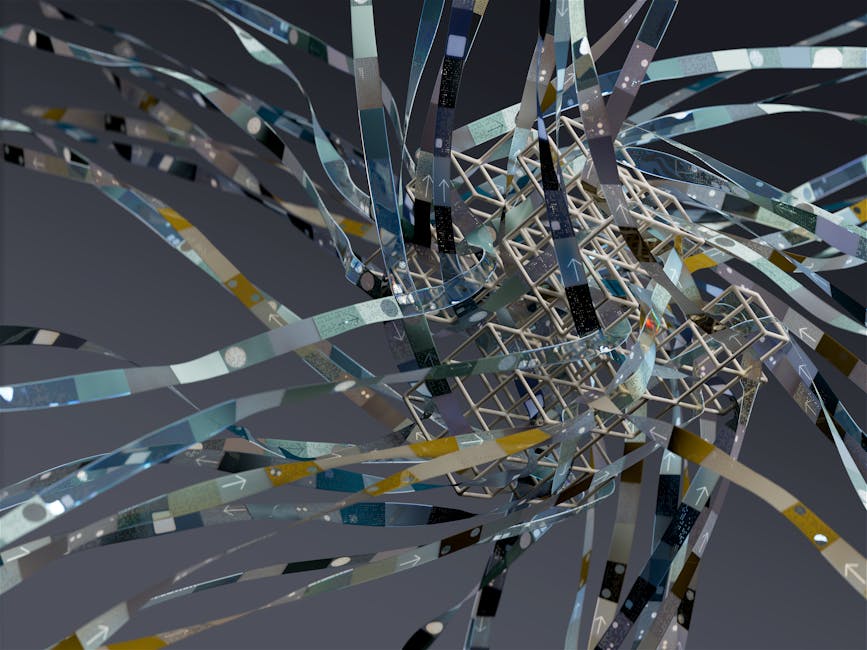
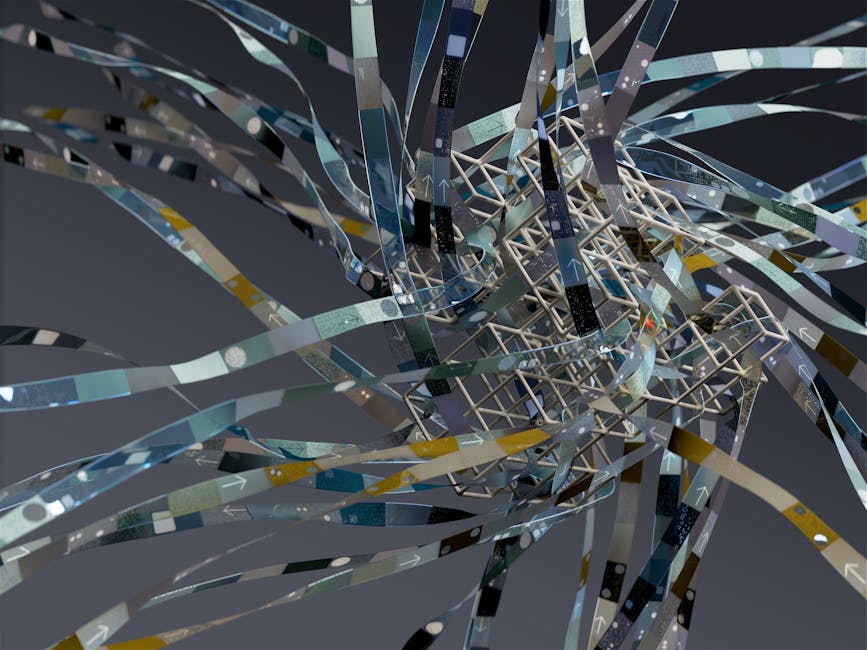
The core of most modern text-to-image AI systems lies in a sophisticated type of machine learning model called a diffusion model. Think of it like this:
- Training phase: The AI is trained on a massive dataset of images paired with their textual descriptions. It learns to associate specific words and concepts with visual patterns, styles, and objects. It essentially learns what a “cat” looks like, what a “spacesuit” is, and how to combine them.
- Generation phase: When you give the AI a text prompt, it starts with an image of pure noise (like static on an old TV). Then, through an iterative process, it gradually “denoises” this image, guided by your text prompt. It slowly refines the image, adding details and structure, until it produces a coherent visual representation of your words.
The quality and creativity of the output heavily depend on the AI model’s training data and, crucially, the clarity and detail of your input prompt. Crafting effective prompts is an art in itself, often requiring experimentation with keywords, styles, and descriptive phrases.
Popular text-to-image AI tools to explore
The field of text-to-image AI is rapidly evolving, with several powerful tools leading the charge. Each has its unique strengths, user interfaces, and communities:
- DALL-E: Developed by OpenAI, DALL-E (and its successor DALL-E 2 and DALL-E 3) was one of the first to capture public imagination. It’s known for its ability to generate highly creative and often surreal images from diverse prompts.
- Midjourney: Renowned for its artistic flair and stunning, often painterly, outputs. Midjourney is particularly popular among artists and designers looking for aesthetically pleasing results. It’s primarily accessed via Discord.
- Stable Diffusion: An open-source model, Stable Diffusion offers immense flexibility and can be run on various hardware. Its open nature has led to a vast ecosystem of custom models and applications, allowing for highly specialized image generation.
- Adobe Firefly: Integrated into Adobe’s creative suite, Firefly focuses on generating content that is commercially safe and designed to enhance existing creative workflows, offering features like text-to-vector graphics and text effects.
Real-world applications: where AI art shines
The practical applications of text-to-image AI are vast and continue to expand. Here are just a few ways this technology is being used today:
- Content creation: Bloggers, marketers, and social media managers can quickly generate unique images for articles, posts, and campaigns without needing stock photos or graphic designers for every piece.
- Graphic design: Designers can use AI to brainstorm concepts, create mood boards, generate variations of existing designs, or even produce entire assets for websites, ads, and presentations.
- Art and illustration: Artists are using AI as a powerful new medium, generating unique pieces, exploring new styles, or overcoming creative blocks.
- Product design and visualization: Companies can rapidly prototype visual concepts for new products, packaging, or architectural designs.
- Education and storytelling: Educators can create custom visual aids, and writers can generate illustrations for their stories, bringing narratives to life in new ways.
The benefits of AI-generated imagery
The rise of text-to-image AI brings several compelling advantages:
- Unprecedented speed: Generate multiple image concepts in seconds, drastically reducing production time.
- Cost-effectiveness: Reduce reliance on expensive stock photo subscriptions or commissioning custom artwork for every need.
- Infinite creativity: Explore concepts and styles that might be difficult or impossible to describe to a human artist, pushing the boundaries of imagination.
- Accessibility: Empower individuals without traditional artistic skills to create compelling visuals.
- Personalization: Create highly specific and tailored images for niche audiences or individual preferences.
Navigating the challenges and ethical landscape
While exciting, text-to-image AI also presents challenges and ethical considerations that TechDecoded believes are crucial to address:
- Bias in training data: AI models can inherit and amplify biases present in their training data, leading to stereotypical or unrepresentative outputs.
- Copyright and ownership: The legal landscape around AI-generated art and its copyright status is still evolving, raising questions about who owns the generated images.
- Misinformation and deepfakes: The ability to create realistic images easily can be misused to generate fake news or deceptive content.
- Job displacement: Concerns exist about the impact on human artists and illustrators, though many see AI as a collaborative tool rather than a replacement.
- Quality control: While impressive, AI-generated images can sometimes contain subtle errors, inconsistencies, or uncanny elements that require human oversight.
Embracing the visual revolution
Text-to-image AI is more than just a novelty; it’s a fundamental shift in how we create and interact with visual content. As these models become even more sophisticated and integrated into everyday tools, their impact will only grow. Understanding how they work, experimenting with their capabilities, and engaging with the ethical discussions surrounding them are key to harnessing their full potential responsibly.
Whether you’re a professional looking to streamline your workflow or simply curious about the future of creativity, text-to-image AI offers a fascinating glimpse into a world where your imagination is the only limit to what you can visually create. Dive in, experiment with prompts, and discover the artist within!
Leave a Comment