
The silent struggle of task documentation
In the fast-paced world of technology, clear and accurate task documentation is the unsung hero. It’s what keeps projects on track, new team members up to speed, and institutional knowledge from walking out the door. Yet, for many organizations, creating and maintaining this documentation is a constant uphill battle. It’s often seen as a chore, leading to outdated manuals, inconsistent guides, and a general lack of clarity that can hinder productivity and foster frustration.
But what if there was a way to make documentation less of a burden and more of an asset? Enter Artificial Intelligence. AI isn’t just for complex data analysis or futuristic robots; it’s rapidly becoming an indispensable tool for improving everyday operational tasks, including the often-overlooked art of task documentation. At TechDecoded, we believe in demystifying technology, and today we’re exploring how AI can transform your documentation process from a dreaded task into a streamlined, intelligent workflow.
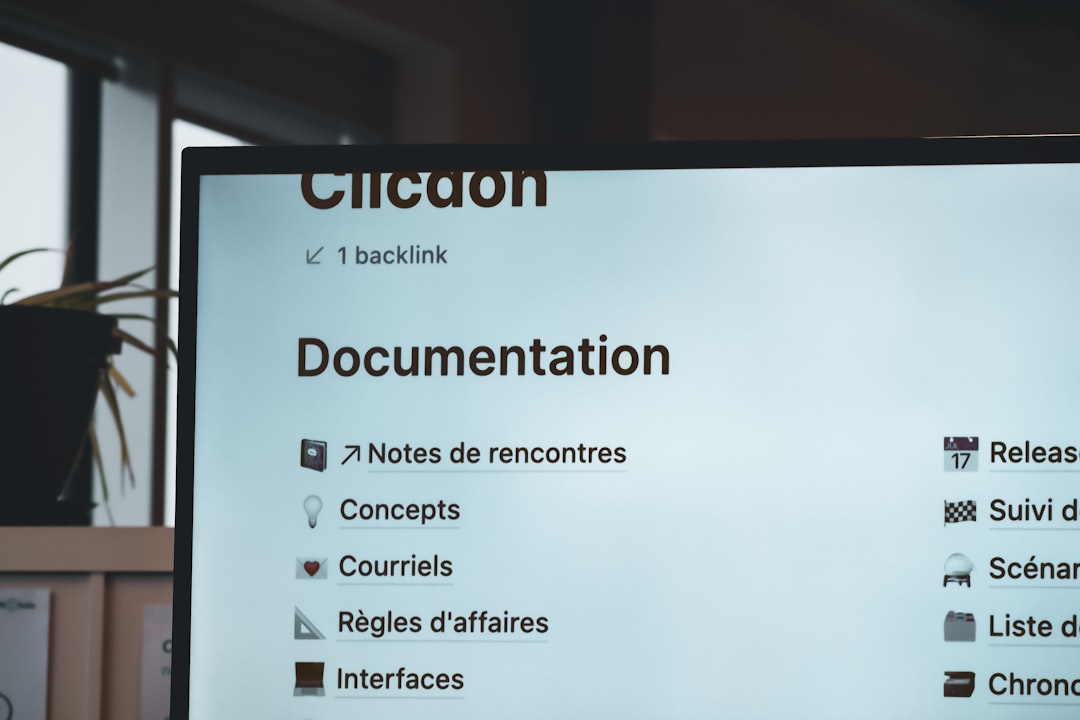
Why clear documentation is non-negotiable
Before diving into AI’s solutions, let’s quickly reiterate why robust documentation is so crucial. It’s more than just a formality; it’s the backbone of efficient operations.
- Onboarding efficiency: New hires can quickly understand processes and contribute faster.
- Knowledge transfer: Prevents loss of critical information when employees leave or roles change.
- Consistency and quality: Ensures tasks are performed uniformly, reducing errors and improving output quality.
- Problem-solving: Provides a reference point for troubleshooting and resolving issues.
- Compliance and auditing: Essential for meeting regulatory requirements and demonstrating due diligence.
Traditional documentation: common roadblocks
Despite its importance, traditional documentation methods are plagued with challenges that AI is uniquely positioned to address:
- Time-consuming creation: Writing detailed, step-by-step guides from scratch is a significant time investment.
- Inconsistency: Different authors, varying styles, and lack of a central repository lead to fragmented and inconsistent information.
- Rapid obsolescence: Technology and processes evolve quickly, making documentation outdated almost as soon as it’s published.
- Lack of engagement: Dense, text-heavy manuals are often ignored or difficult to navigate, leading users to seek help elsewhere.
- Difficulty in maintenance: Keeping documentation current requires continuous effort, which is often deprioritized.

How AI is revolutionizing documentation workflows
AI offers a suite of capabilities that can fundamentally change how we create, manage, and interact with task documentation.
Automated content generation and drafting
Generative AI models can kickstart your documentation process. Instead of staring at a blank page, you can feed AI raw data, meeting transcripts, or even short prompts, and it can generate initial drafts of procedures, user manuals, or FAQs. This drastically reduces the initial effort and provides a structured starting point.

Ensuring accuracy and consistency
AI-powered tools can analyze existing documentation for inconsistencies in terminology, style, and formatting. They can enforce style guides, suggest clearer phrasing, and even identify potential ambiguities, ensuring a unified and professional voice across all your documents. This is invaluable for maintaining brand consistency and reducing confusion.
Dynamic updates and real-time relevance
One of the biggest headaches with documentation is keeping it current. AI can monitor changes in software, processes, or external regulations and flag relevant sections for review or even suggest automated updates. Imagine an AI that learns from system logs or user feedback to automatically propose revisions to a task guide, ensuring your documentation is always reflecting the latest reality.
Enhanced search and personalized access
Beyond simple keyword searches, AI-driven semantic search engines can understand the intent behind a user’s query, providing more accurate and relevant results. Chatbots, powered by natural language processing (NLP), can act as intelligent assistants, answering specific questions by pulling information directly from your documentation, offering a personalized and interactive experience.
Multimodal documentation and accessibility
AI can transform documentation into various formats. It can transcribe video tutorials into text guides, generate visual flowcharts from written instructions, or even create audio versions of manuals for accessibility. This makes documentation more engaging and accessible to a wider audience with different learning preferences.

Practical steps to integrate AI into your documentation
Ready to leverage AI for your documentation? Here’s how to get started:
- Identify pain points: Pinpoint specific areas where your current documentation process struggles the most (e.g., creating new guides, updating old ones, finding information).
- Start small: Don’t try to automate everything at once. Begin with a pilot project, perhaps automating the drafting of a specific type of document or improving search functionality for a small knowledge base.
- Choose the right tools: Explore AI writing assistants, knowledge management platforms with AI features, or specialized NLP tools. Many existing platforms are integrating AI capabilities.
- Train your AI: For best results, AI models often need to be trained on your specific company data, terminology, and style guides.
- Iterate and refine: AI is not a set-it-and-forget-it solution. Continuously gather feedback, monitor performance, and refine your AI’s outputs to improve accuracy and usefulness.

The future of knowledge: smarter, faster, clearer
The integration of AI into task documentation isn’t just about making a tedious job easier; it’s about fundamentally changing how we manage and access organizational knowledge. By offloading the repetitive and time-consuming aspects of documentation to AI, teams can focus on higher-value tasks, innovate faster, and ensure that critical information is always accurate, accessible, and actionable. Embracing AI in this domain is a strategic move towards a more intelligent, efficient, and human-friendly way of working.

Leave a Comment