
Welcome aboard: The power of AI in employee onboarding
Bringing new talent into your organization is an exciting, yet often complex, endeavor. Effective onboarding isn’t just about paperwork; it’s about integrating new hires into the company culture, equipping them with the right knowledge, and ensuring they feel valued from day one. Traditionally, this process can be a maze of forms, forgotten details, and information overload. But what if there was a smarter way? Enter artificial intelligence. 
At TechDecoded, we believe in leveraging technology to solve real-world problems. AI tools are rapidly transforming how businesses approach employee onboarding, turning a often cumbersome process into a seamless, personalized, and highly effective experience. Let’s explore how AI can help you welcome your new team members with open arms and cutting-edge efficiency.
The traditional onboarding challenge: A bumpy start
Think back to your own onboarding experiences. Were they always smooth? For many, traditional onboarding can be characterized by:
- Information overload: A deluge of documents, policies, and procedures all at once.
- Inconsistency: Different managers, different experiences, leading to varied outcomes.
- Lack of personalization: A one-size-fits-all approach that ignores individual learning styles or prior experience.
- Administrative burden: HR teams spending countless hours on repetitive tasks.
- Disengagement: New hires feeling lost or overwhelmed, impacting early productivity and retention.
These challenges can lead to slower ramp-up times, decreased job satisfaction, and even early attrition. It’s clear that a more dynamic and intelligent approach is needed. 
How AI transforms the onboarding journey
AI isn’t just about automating tasks; it’s about creating a more intelligent, adaptive, and human-centric onboarding experience. By analyzing data and learning from interactions, AI tools can personalize content, provide instant support, and streamline administrative processes, freeing up HR and managers to focus on meaningful human connection. 
Here’s how AI is making a difference:
- Personalized learning paths: Tailoring training modules based on role, prior experience, and learning pace.
- Instant support and FAQs: Providing 24/7 answers to common questions.
- Automated administrative tasks: Handling paperwork, scheduling, and reminders.
- Predictive insights: Identifying potential disengagement risks and suggesting interventions.
- Cultural integration: Facilitating connections and fostering a sense of belonging.
Key AI tools for a superior onboarding experience
AI-powered virtual assistants and chatbots
Imagine a new hire having a dedicated, always-available assistant to answer their questions about company policies, benefits, or even where to find the best coffee. AI chatbots can provide instant support, guide new employees through initial tasks, and even conduct virtual office tours. They reduce the burden on HR and managers, ensuring new hires get timely information without waiting. 
Personalized learning and development platforms
Gone are the days of generic training videos. AI-driven learning platforms can assess a new employee’s existing knowledge and role requirements to create a customized learning journey. They recommend relevant courses, track progress, and adapt content based on performance, ensuring each individual gets the most effective training possible. This accelerates skill development and time-to-productivity. 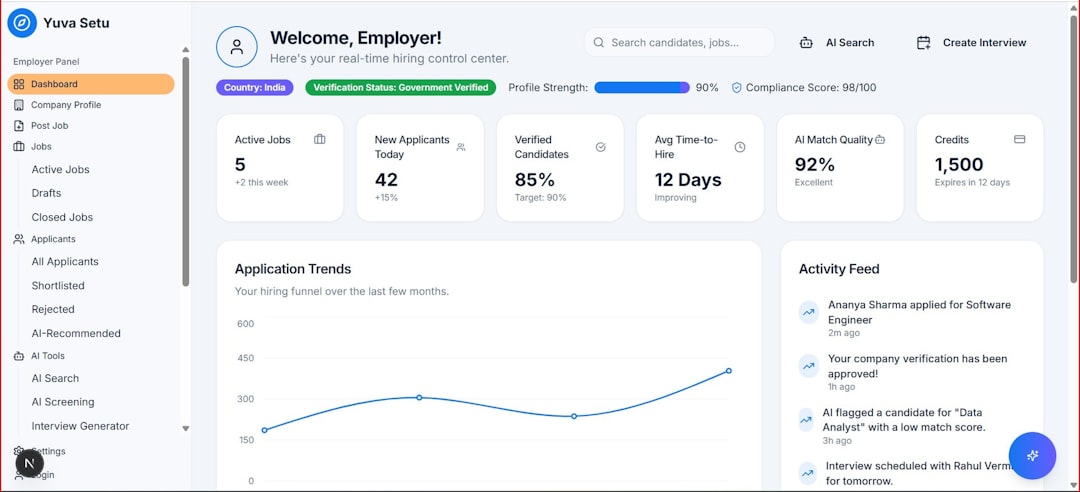
Automated document generation and management
The mountain of paperwork associated with onboarding can be daunting. AI tools can automate the generation of offer letters, employment contracts, policy acknowledgments, and other essential documents. They can also manage e-signatures, track document completion, and ensure compliance, significantly reducing administrative overhead and errors. 
Predictive analytics for engagement and retention
AI can analyze various data points – from engagement with training materials to communication patterns – to identify early signs of disengagement or potential flight risk. This allows HR and managers to proactively intervene, offer support, or adjust the onboarding process to better meet the employee’s needs, ultimately boosting retention. 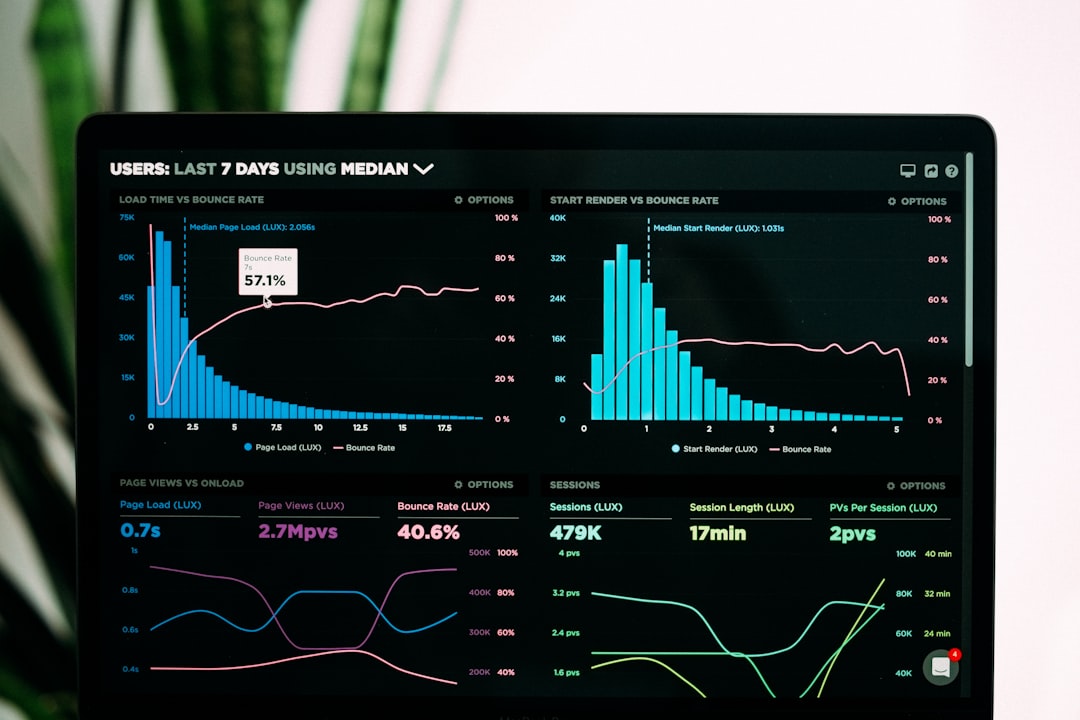
AI for cultural integration and team building
Beyond tasks and training, cultural fit is crucial. AI can help by suggesting potential mentors based on skills and interests, facilitating introductions to relevant team members, or even recommending social events. While human connection remains paramount, AI can intelligently pave the way for smoother social integration.
The undeniable benefits of AI in onboarding
Implementing AI tools in your onboarding process yields a multitude of advantages:
- Increased efficiency: Automating repetitive tasks saves significant time for HR and managers.
- Enhanced personalization: Tailored experiences lead to higher engagement and faster learning.
- Improved consistency: Every new hire receives a high-quality, standardized experience.
- Reduced costs: Lower administrative overhead and faster time-to-productivity.
- Higher retention rates: Engaged and well-supported employees are more likely to stay.
- Faster time-to-productivity: New hires become productive team members more quickly.
Ultimately, AI helps create a positive first impression, setting the stage for a long and successful career within your organization. 
Choosing the right AI tools for your organization
When considering AI tools for onboarding, it’s important to evaluate solutions based on several factors:
- Integration capabilities: Can it seamlessly connect with your existing HRIS, LMS, and communication platforms?
- Scalability: Can the tool grow with your organization’s needs?
- User-friendliness: Is it intuitive for both new hires and administrators?
- Security and compliance: Does it meet data privacy standards and regulatory requirements?
- Customization: Can it be tailored to your specific company culture and processes?
Start by identifying your biggest onboarding pain points and then look for AI solutions that directly address those challenges. 
A practical path forward for modern HR
AI is not here to replace the human element of onboarding, but to augment and enhance it. By offloading the mundane and repetitive tasks to intelligent systems, HR professionals and managers can dedicate more time to meaningful interactions, mentorship, and fostering genuine connections with new employees. Embracing AI in onboarding is a strategic move that not only optimizes processes but also demonstrates a commitment to innovation and employee well-being. It’s about building a foundation for success, one smart welcome at a time. 



Leave a Comment