

Unpacking the ‘creation’ in artificial intelligence
In the rapidly evolving world of AI, we often hear about machines ‘creating’ art, music, or even complex code. This raises a fascinating and crucial question: Is what AI does truly creativity, or is it something else entirely? At TechDecoded, we believe understanding this distinction is key to harnessing AI’s power effectively and appreciating human ingenuity. Let’s dive into the core differences between creativity and generation.
The terms are often used interchangeably, but they represent fundamentally different processes, especially when one involves a human mind and the other, an algorithm. Grasping this nuance helps us set realistic expectations for AI and celebrate the unique spark of human innovation.
What defines human creativity?
Creativity, at its heart, is a uniquely human endeavor. It’s not just about producing something new; it’s about intent, emotion, and often, a touch of rebellion against the norm. When a human creates, they bring their life experiences, their understanding of the world, their emotions, and their unique perspective to the table.
- Intent and purpose: Human creativity is driven by a desire to express, solve a problem, or evoke a feeling. There’s a ‘why’ behind every brushstroke, every note, every line of poetry.
- Novelty and originality: True creativity often involves breaking existing patterns, forging new connections, and conceptualizing ideas that haven’t existed before. It’s about genuine innovation, not just rearrangement.
- Emotional depth and connection: Creative works often carry emotional resonance, reflecting the creator’s feelings and eliciting emotions in the audience. This connection is deeply personal and subjective.
- Problem-solving and adaptation: Creativity isn’t always artistic; it’s also about finding novel solutions to complex problems, adapting to new challenges, and thinking outside the box.
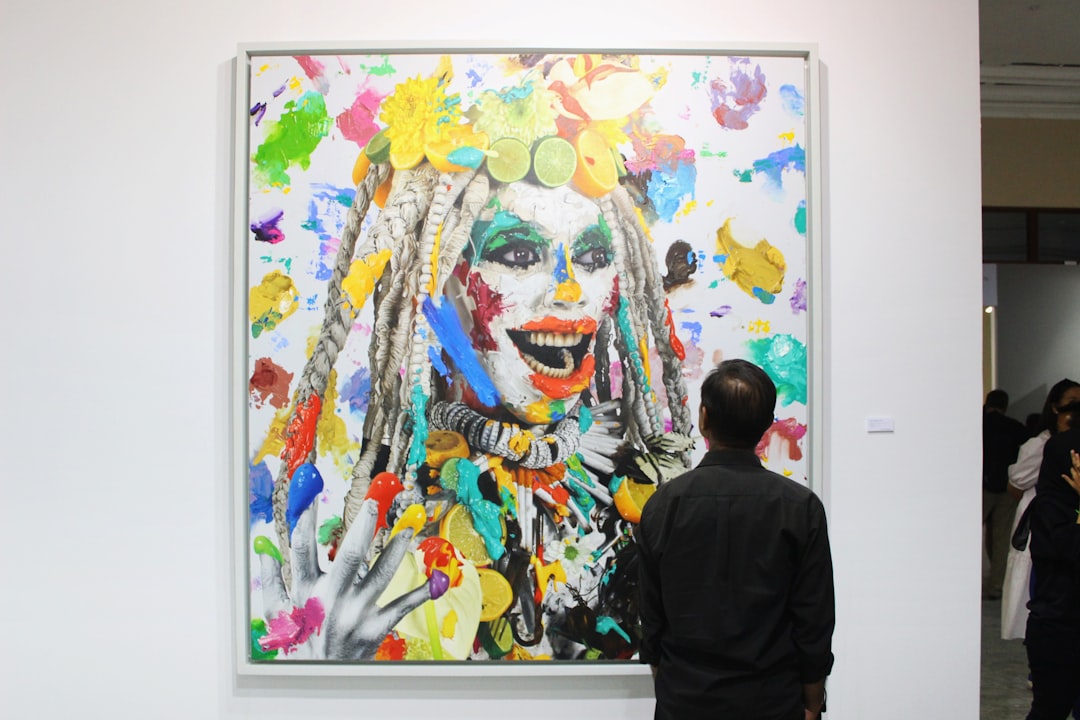
Think of a painter staring at a blank canvas, grappling with an idea, experimenting with colors, and finally producing a piece that reflects their inner world. That’s creativity in action.
Understanding AI-powered generation
On the other hand, ‘generation’ is what AI excels at. AI models, particularly generative AI, are incredibly adept at processing vast amounts of data, identifying patterns, and then producing new outputs based on those patterns. This process is algorithmic, data-driven, and highly efficient.
- Pattern recognition and prediction: AI generation works by learning from existing data. It identifies statistical relationships and structures within its training set to predict and produce new, similar outputs.
- Algorithmic execution: The process is entirely governed by algorithms. There’s no ‘intent’ or ‘desire’ in the human sense; it’s a series of computations leading to an output.
- Recombination and interpolation: AI generates by recombining elements it has learned, interpolating between existing data points, or extrapolating based on learned rules. It’s excellent at producing variations on a theme.
- Efficiency and scale: AI can generate content at an unprecedented speed and scale, producing thousands of images, texts, or musical pieces in moments.
Consider an AI generating a new image of a cat. It doesn’t ‘understand’ what a cat is in the biological sense, nor does it have an emotional connection to it. It simply knows how to arrange pixels in a way that statistically resembles the millions of cat images it was trained on.
The critical distinctions: intention, novelty, and emotion
The core differences between creativity and generation boil down to a few key areas:
- Intention vs. algorithm: Creativity is driven by human intent and consciousness; generation is driven by algorithms and data.
- True novelty vs. sophisticated recombination: Creativity can introduce genuinely new concepts; generation excels at producing highly plausible, novel combinations of existing concepts.
- Emotional depth vs. functional output: Creative works often carry emotional weight and subjective meaning; generated outputs are functional, aiming to fulfill a prompt or pattern.
- Understanding vs. simulation: A human creator understands the context, meaning, and implications of their work. An AI simulates understanding based on statistical correlations.
This isn’t to diminish the incredible utility of AI generation. It’s a powerful tool, but it operates on a different plane than human creativity.
AI as a catalyst for human creativity
Recognizing this distinction isn’t about drawing a line in the sand to separate human from machine; it’s about understanding how they can best collaborate. AI generation isn’t a replacement for human creativity; it’s a powerful amplifier and assistant.
- Idea generation and brainstorming: AI can quickly generate a multitude of ideas, prompts, or variations, serving as a springboard for human thought.
- Drafting and iteration: From writing first drafts to generating design mock-ups, AI can handle the initial heavy lifting, allowing humans to focus on refining and injecting their unique creative vision.
- Overcoming creative blocks: When inspiration wanes, an AI can offer fresh perspectives or unexpected combinations to spark new ideas.
- Technical execution: AI can automate repetitive or technically complex tasks, freeing up human creators to focus on the conceptual and artistic aspects.
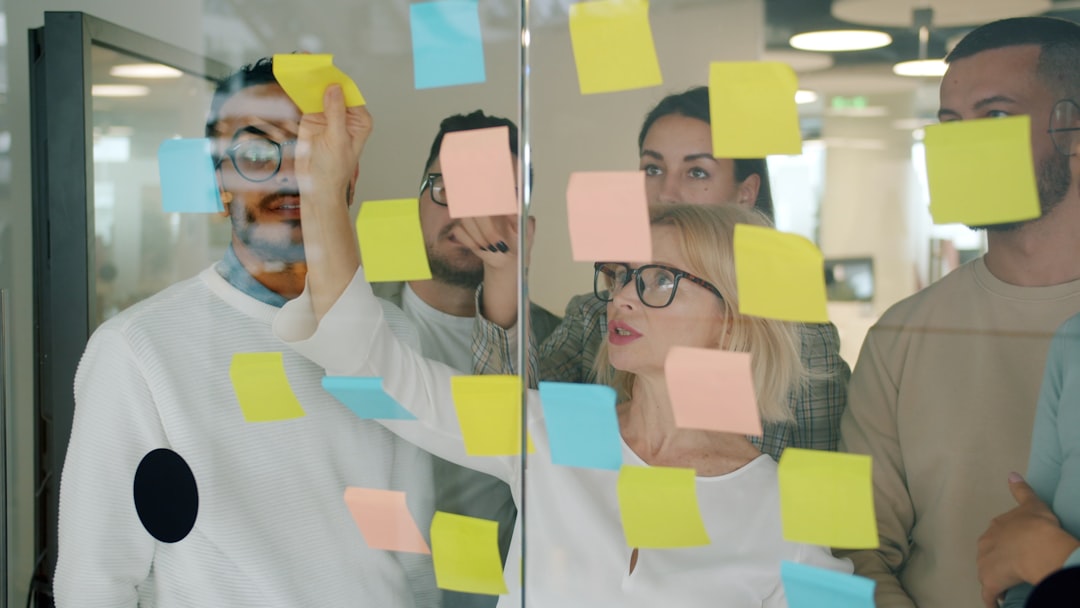
Imagine an architect using AI to generate hundreds of building facade designs in minutes, then selecting the most promising ones to infuse with their unique aesthetic and structural ingenuity. That’s the power of synergy.
Embracing the future of human-AI innovation
As AI tools become more sophisticated, the line between what’s ‘generated’ and what’s ‘creative’ might seem to blur. However, the fundamental difference remains: the human element of conscious intent, emotional depth, and genuine conceptual leaps. AI generation is an incredible testament to human ingenuity in building tools, but it doesn’t possess the subjective, self-aware spark that defines human creativity.
At TechDecoded, we encourage you to view AI not as a competitor to your creative spirit, but as an unparalleled partner. By understanding its strengths in generation, you can leverage it to elevate your own creative processes, push boundaries, and bring truly innovative ideas to life. The future of innovation lies in this intelligent collaboration, where human creativity guides and AI generation empowers.


Leave a Comment