
Introduction: The new era of accelerated development
In the rapidly evolving world of technology, speed and efficiency are paramount. Low-code and no-code development platforms have emerged as game-changers, empowering individuals and businesses to build applications with minimal or no traditional coding. But what happens when you infuse these powerful platforms with the intelligence of artificial intelligence? You get a development ecosystem that’s not just fast, but also incredibly smart and intuitive.
At TechDecoded, we’re all about making complex tech understandable. Today, we’re diving into how AI tools are transforming low-code and no-code development, making app creation more accessible, efficient, and innovative than ever before. Get ready to explore the future of building.
The powerful synergy of AI and low-code/no-code
Low-code and no-code platforms are designed to abstract away the complexities of traditional coding, allowing users to drag-and-drop components, configure workflows, and visually design applications. AI, with its capabilities in pattern recognition, natural language processing, and predictive analytics, acts as the perfect co-pilot, enhancing these platforms in several profound ways:
- Accelerated development: AI can automate repetitive tasks, suggest optimal solutions, and even generate code snippets, drastically cutting down development time.
- Increased accessibility: By understanding natural language commands, AI lowers the barrier to entry even further, allowing non-technical users to articulate their needs directly.
- Smarter applications: AI can imbue applications built on these platforms with intelligent features, from predictive analytics to personalized user experiences.
- Enhanced efficiency: From debugging to deployment, AI streamlines various stages of the development lifecycle, making the entire process more efficient.
Key ways AI enhances low-code and no-code platforms
AI-powered code generation and suggestions
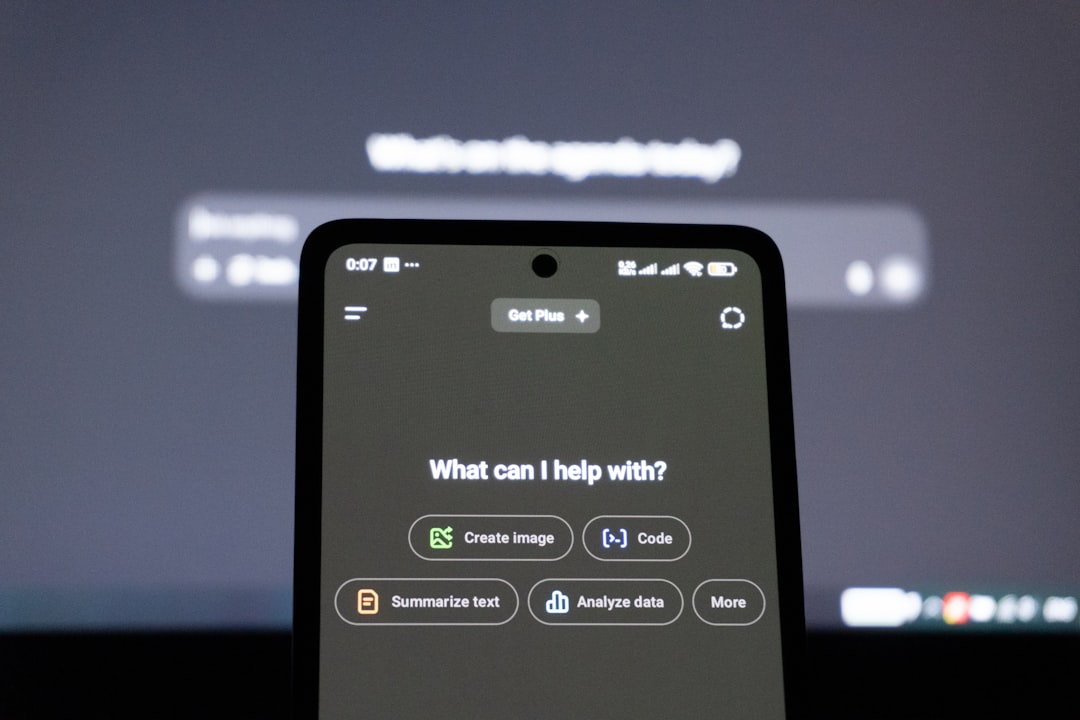
Imagine typing a description of a function you need, and an AI assistant instantly provides the necessary code or visual components. This is becoming a reality. AI tools can analyze your intent, learn from existing codebases, and generate relevant code blocks or suggest the best pre-built components to achieve your desired functionality. This moves beyond simple auto-completion to intelligent, context-aware assistance.
Intelligent automation for workflows
Many low-code platforms excel at automating business processes. AI takes this a step further by introducing intelligence into these workflows. AI can analyze data to predict optimal paths, identify bottlenecks, and even autonomously trigger actions based on complex conditions. This means your automated processes aren’t just following rules; they’re learning and adapting.

Natural language processing for UI/UX design
Designing user interfaces and experiences can be a time-consuming process. AI tools leveraging NLP allow users to describe the desired layout, components, or user flow using plain English. The AI then translates these descriptions into visual designs or even functional prototypes, significantly speeding up the design phase and making it accessible to those without design expertise.
Smart data integration and transformation
Applications often rely on data from various sources. Integrating and transforming this data can be a complex task. AI tools can intelligently map data fields, suggest optimal data models, and even automate data cleaning and enrichment processes, ensuring that your low-code applications have access to accurate and well-structured information without manual heavy lifting.
Practical applications: AI tools in action
The integration of AI into low-code and no-code platforms isn’t just theoretical; it’s driving real-world impact across various industries:
- Faster prototyping: Businesses can rapidly prototype new ideas and test market viability with AI-assisted design and development, reducing time-to-market.
- Citizen developer empowerment: Non-technical employees, often called ‘citizen developers,’ can build sophisticated applications with AI guidance, solving departmental needs without relying on IT resources.
- Custom CRM and ERP solutions: Small to medium-sized businesses can create highly customized internal tools that integrate AI for predictive sales forecasting or intelligent inventory management.
- Automated customer support portals: Build intelligent chatbots and self-service portals that leverage AI to understand user queries and provide relevant information or actions.

Unlocking new possibilities for every developer
The fusion of AI with low-code and no-code development is more than just a trend; it’s a fundamental shift in how we approach software creation. It democratizes development, making sophisticated tools and capabilities accessible to a broader audience. Whether you’re a seasoned developer looking to accelerate your workflow or a business user eager to bring your ideas to life, AI-powered low-code/no-code platforms offer a practical path forward. Embrace these tools, and you’ll not only build faster but also build smarter, creating applications that are truly intelligent and responsive to the needs of tomorrow.

Leave a Comment