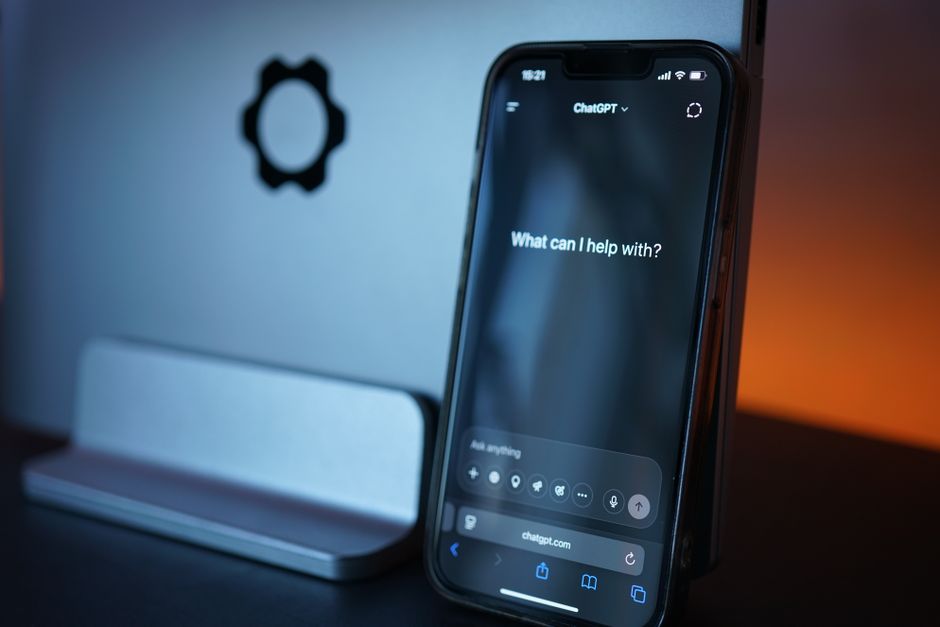

On-device AI, where artificial intelligence models run directly on a device's processor rather than in the cloud, is rapidly transitioning from a niche technical feature to a primary selling point for new smartphones and laptops. This shift is driven by tangible benefits for users, including enhanced privacy, faster performance, reduced operational costs, and reliable offline functionality, which collectively offer a superior user experience compared to cloud-dependent alternatives.
The shift from cloud to local processing
Historically, powerful AI capabilities were almost exclusively cloud-based, requiring constant internet connectivity to leverage large, centralized models. While cloud AI offers immense scalability and access to the largest models, it introduces inherent trade-offs in terms of data privacy, latency, and ongoing operational expenses. The trend towards on-device AI addresses these limitations by bringing computation closer to the user.
This move is enabled by significant advancements in specialized hardware, particularly Neural Processing Units (NPUs) and optimized System-on-Chips (SoCs) designed to handle AI workloads efficiently. These dedicated accelerators allow devices to run complex AI models with lower power consumption and higher speed than general-purpose CPUs or GPUs alone. The increasing efficiency of smaller language models (SLMs) also plays a crucial role, making it feasible to deploy capable AI directly on consumer hardware without compromising core functionality. Small Language Models are gaining traction because they offer a balance of performance and resource efficiency.
Enhanced privacy and data security
One of the most compelling reasons on-device AI is a strong selling point is the promise of improved privacy. When AI processing occurs locally, sensitive user data—such as personal photos, messages, voice recordings, or proprietary documents—never has to leave the device to be analyzed. This significantly reduces the risk of data breaches, unauthorized access, or unintended data retention by third-party cloud providers.
For many users and businesses, the assurance that their data remains private and under their direct control is a critical factor in technology adoption. This local processing capability is particularly appealing for applications involving highly personal information, confidential business data, or regulated industries where data sovereignty is paramount. 
Faster performance and reduced latency
On-device AI eliminates the need to send data to remote servers and wait for a response, drastically reducing latency. This means AI-powered features, such as real-time language translation, instant image recognition, predictive text, or advanced camera effects, can operate almost instantaneously. The responsiveness of these features directly impacts the user experience, making interactions feel more fluid and natural.
For tasks requiring immediate feedback, like live video analysis or augmented reality applications, the millisecond differences in latency can be the difference between a smooth experience and a frustrating one. This speed advantage is a clear differentiator for hardware manufacturers, allowing them to offer features that simply aren't practical with cloud-only AI.
Reliable offline functionality
Cloud-based AI is inherently dependent on a stable internet connection. In contrast, on-device AI functions perfectly even when offline or in areas with poor connectivity. This ensures that essential AI features remain available and performant regardless of network conditions, which is a significant advantage for mobile users, travelers, or anyone working in remote environments.
Imagine using AI for note-taking transcription, photo organization, or even basic language translation without worrying about Wi-Fi availability. This "always-on" capability enhances the utility and reliability of devices, making them more dependable tools for a wider range of scenarios. 
Cost efficiency and energy savings
While the initial cost of hardware with dedicated AI accelerators might be higher, on-device AI can lead to significant long-term cost savings. Cloud AI services typically operate on a usage-based pricing model, where users pay for every API call, compute cycle, or amount of data processed. For frequent or large-scale AI tasks, these costs can quickly accumulate. AI inference cost is now as critical as model quality for many applications.
By performing AI tasks locally, users avoid these recurring cloud expenses. Furthermore, optimized on-device AI chips are designed for energy efficiency, extending battery life on portable devices compared to constantly offloading tasks to power-hungry cloud servers. This combination of reduced operational costs and improved battery performance makes on-device AI an attractive proposition for both consumers and enterprises.
Comparing leading on-device AI platforms
As on-device AI becomes a standard, various hardware manufacturers are integrating specialized silicon to power these capabilities. Understanding the nuances of these platforms can help clarify their specific advantages and ideal use cases.
| Tool | Where it helps | Key limitation | When to choose it |
|---|---|---|---|
| Apple Neural Engine (ANE) | Enhances privacy-focused features like Face ID, Siri processing, and advanced photo/video editing directly on iPhone, iPad, and Mac devices. | Exclusively tied to Apple’s ecosystem, limiting its availability to non-Apple hardware. | For users deeply integrated into the Apple ecosystem seeking smooth, private AI experiences. |
| Qualcomm Snapdragon NPUs | Powers advanced camera features, real-time language translation, and efficient AI assistants on many Android smartphones and Windows-on-ARM laptops. | Performance can vary significantly across different Snapdragon tiers and device implementations. | Ideal for Android users and Windows laptop buyers prioritizing mobile-first AI capabilities and extended battery life. |
| Intel Core Ultra with NPU | Accelerates AI tasks in mainstream Windows laptops, supporting features like background blurring in video calls, AI-enhanced productivity apps, and local image generation. | Newer to the market, so the ecosystem of optimized applications is still maturing compared to more established platforms. | Best for Windows laptop users who need robust general-purpose computing alongside dedicated AI acceleration for everyday productivity and creative tasks. |
| Google Tensor (Pixel phones) | Optimizes Google’s own AI services, such as advanced speech recognition, superior computational photography, and intelligent call screening, directly on Pixel smartphones. | Primarily designed to enhance Google’s software experience, making its unique benefits less transferable to other Android devices. | For users who prioritize Google’s modern AI features and camera performance on a smartphone. |
The practical takeaway for hardware buyers
The integration of on-device AI is more than just a technical specification; it represents a fundamental shift in how devices deliver intelligent features. For consumers and businesses evaluating new phones and laptops, the presence of robust on-device AI capabilities translates directly into tangible benefits: greater privacy for personal and sensitive data, snappier performance for everyday tasks, unwavering functionality even without an internet connection, and potentially lower long-term operating costs. As this trend continues, devices that effectively leverage local AI will increasingly stand out as more capable, secure, and user-friendly options in a competitive market. 




Leave a Comment