

The silent guardians: how AI upholds standards
In a world that demands precision, consistency, and unwavering quality, maintaining high standards is paramount for any organization. From the products we buy to the services we use, adherence to specific benchmarks ensures trust, safety, and efficiency. But what if there was a way to uphold these standards not just effectively, but also with unprecedented speed and accuracy? Enter Artificial Intelligence (AI).
AI is rapidly becoming the silent guardian of quality, compliance, and consistency across diverse sectors. It’s no longer just about automating repetitive tasks; it’s about intelligent monitoring, predictive analysis, and proactive intervention to ensure that standards are not just met, but consistently exceeded. At TechDecoded, we believe in demystifying complex tech, and today, we’re diving into how AI is revolutionizing standard maintenance.
What do we mean by ‘maintaining standards’?
Before we explore AI’s role, let’s clarify what ‘maintaining standards’ entails. It’s a broad term encompassing several critical aspects:
- Quality Control: Ensuring products or services meet specified criteria, free from defects or deviations.
- Regulatory Compliance: Adhering to legal, industry, or internal guidelines and policies.
- Operational Consistency: Guaranteeing that processes are followed uniformly, leading to predictable outcomes.
- Brand Integrity: Upholding a company’s values, tone, and image across all touchpoints.
Traditionally, these tasks often involved manual checks, audits, and human oversight – processes that can be time-consuming, prone to human error, and difficult to scale. This is where AI steps in, offering a powerful toolkit to enhance these efforts.
AI’s role in intelligent standard enforcement
AI’s ability to process vast amounts of data, identify patterns, and make rapid decisions makes it an ideal partner for standard maintenance. It can monitor, analyze, and even predict potential deviations before they become significant issues. 
- Automated Monitoring: AI-powered systems can continuously monitor processes, products, or content against predefined rules and benchmarks, flagging anomalies in real-time.
- Predictive Analytics: By analyzing historical data, AI can predict potential future deviations or failures, allowing for proactive intervention rather than reactive fixes.
- Pattern Recognition: AI excels at identifying subtle patterns or inconsistencies that might be missed by human observers, ensuring a higher level of precision.
- Scalability: Unlike human teams, AI systems can scale their monitoring and analysis capabilities almost infinitely, handling massive data volumes without fatigue.
Practical applications: AI in action
Manufacturing and quality control
In manufacturing, AI vision systems are transforming quality control. Cameras equipped with AI algorithms can inspect products on an assembly line at high speeds, detecting microscopic defects, misalignments, or incorrect components far more accurately than the human eye. This ensures that only products meeting stringent quality standards reach the market, reducing waste and recalls.
For example, in automotive production, AI can inspect welds, paint finishes, and component assembly, ensuring every vehicle meets safety and aesthetic standards. 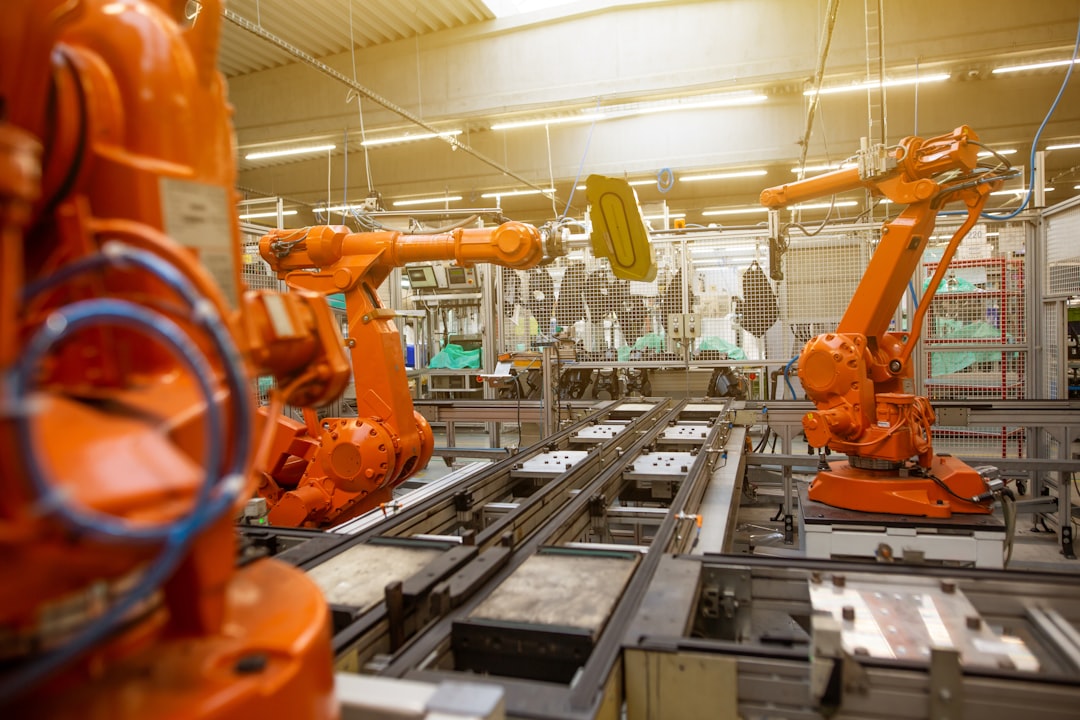
Healthcare and regulatory compliance
Healthcare is a highly regulated industry where maintaining standards is critical for patient safety and legal compliance. AI assists by analyzing patient records to ensure treatment protocols are followed, identifying potential medication errors, or flagging incomplete documentation that could lead to compliance issues. It can also monitor clinical trial data for adherence to research protocols, ensuring data integrity and ethical standards.
AI-powered systems can also help hospitals stay compliant with ever-evolving regulations by automatically auditing records and highlighting areas needing attention. 
Content moderation and brand guidelines
For businesses operating online, maintaining brand standards and moderating user-generated content is a monumental task. AI-powered content moderation tools can automatically detect and flag content that violates community guidelines, copyright, or brand safety standards. This includes identifying hate speech, inappropriate images, or off-brand messaging across social media, forums, and review platforms.
This ensures a consistent brand voice and a safe online environment, protecting reputation and user experience. 
Customer service consistency
Delivering consistent, high-quality customer service is a key standard for any customer-facing business. AI can analyze customer interactions (calls, chats, emails) to ensure agents are following scripts, adhering to company policies, and maintaining a consistent tone of voice. Sentiment analysis can also gauge customer satisfaction and agent performance, highlighting areas for training or process improvement.
Chatbots and virtual assistants, powered by AI, also ensure a consistent, always-available first line of support, adhering to predefined service standards. 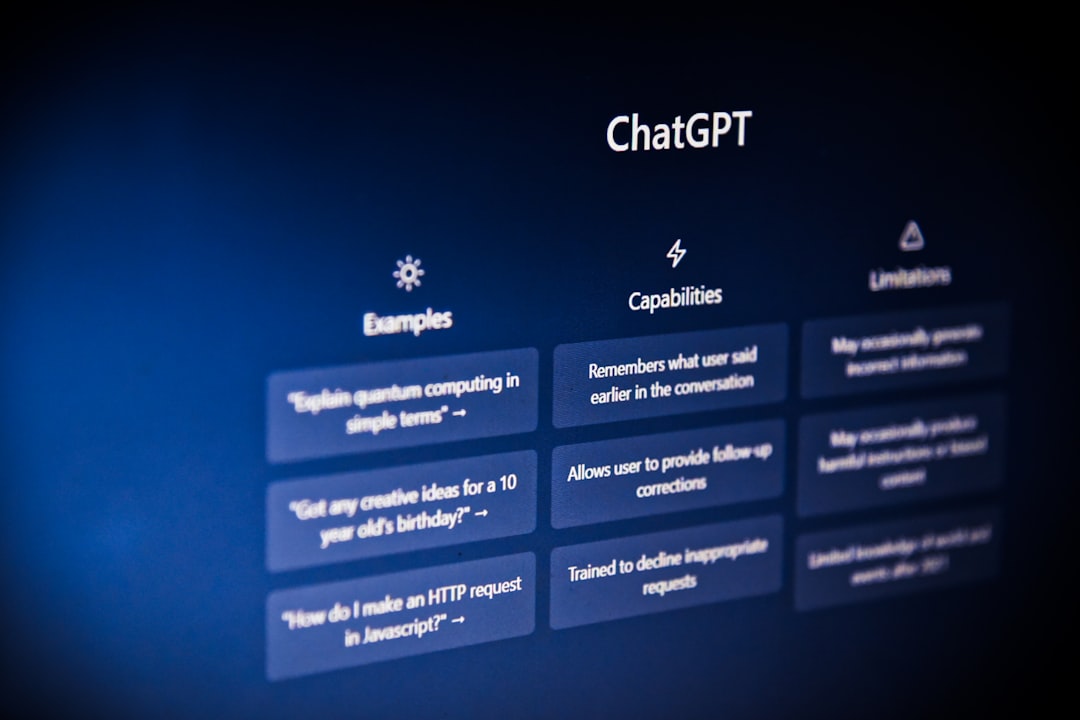
Environmental monitoring and regulatory adherence
AI is also playing a crucial role in environmental protection and compliance. Sensors deployed in industrial facilities or natural environments can collect vast amounts of data on air quality, water pollution, or emissions. AI algorithms analyze this data in real-time, identifying deviations from environmental regulations or predicting potential pollution events.
This allows organizations to proactively address issues, avoid penalties, and demonstrate commitment to environmental standards. 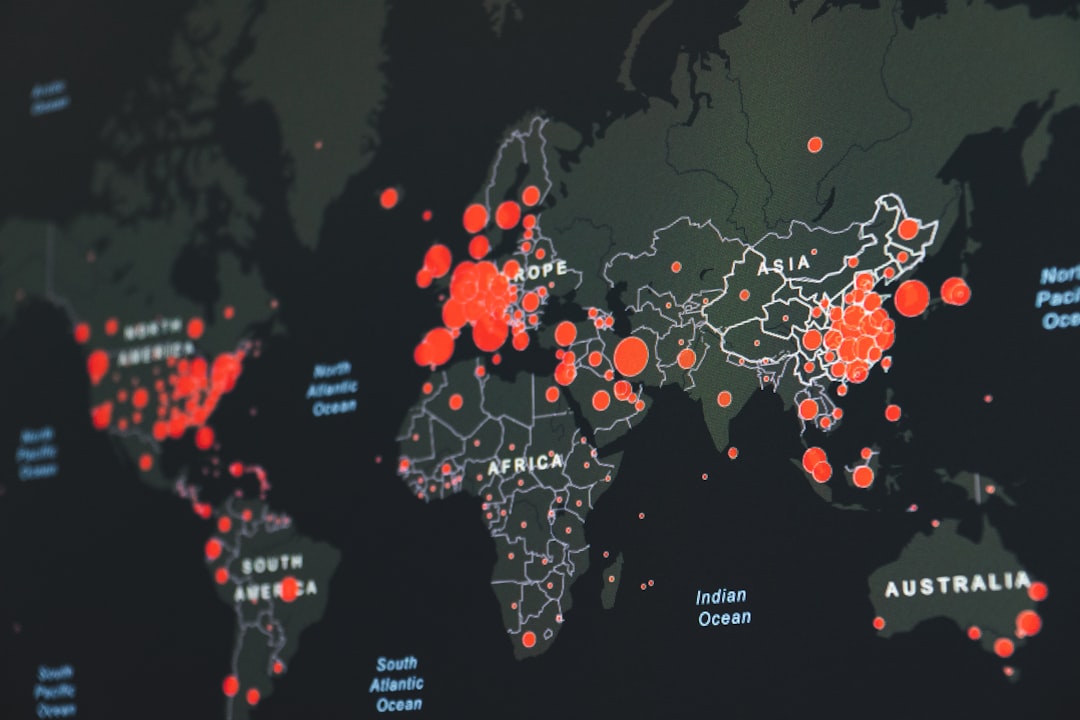
A smarter path to consistent excellence
The integration of AI into standard maintenance processes isn’t just about automation; it’s about achieving a new level of precision, efficiency, and proactive control. By leveraging AI, organizations can move beyond reactive problem-solving to predictive prevention, ensuring that quality, compliance, and consistency are embedded into every operation.
While human oversight remains crucial for ethical considerations and complex decision-making, AI empowers teams to focus on strategic initiatives rather than exhaustive manual checks. As AI continues to evolve, its capacity to uphold and elevate standards will only grow, paving the way for a future where excellence is not just an aspiration, but a consistent reality. 


Leave a Comment