
The silent threat: Why errors matter
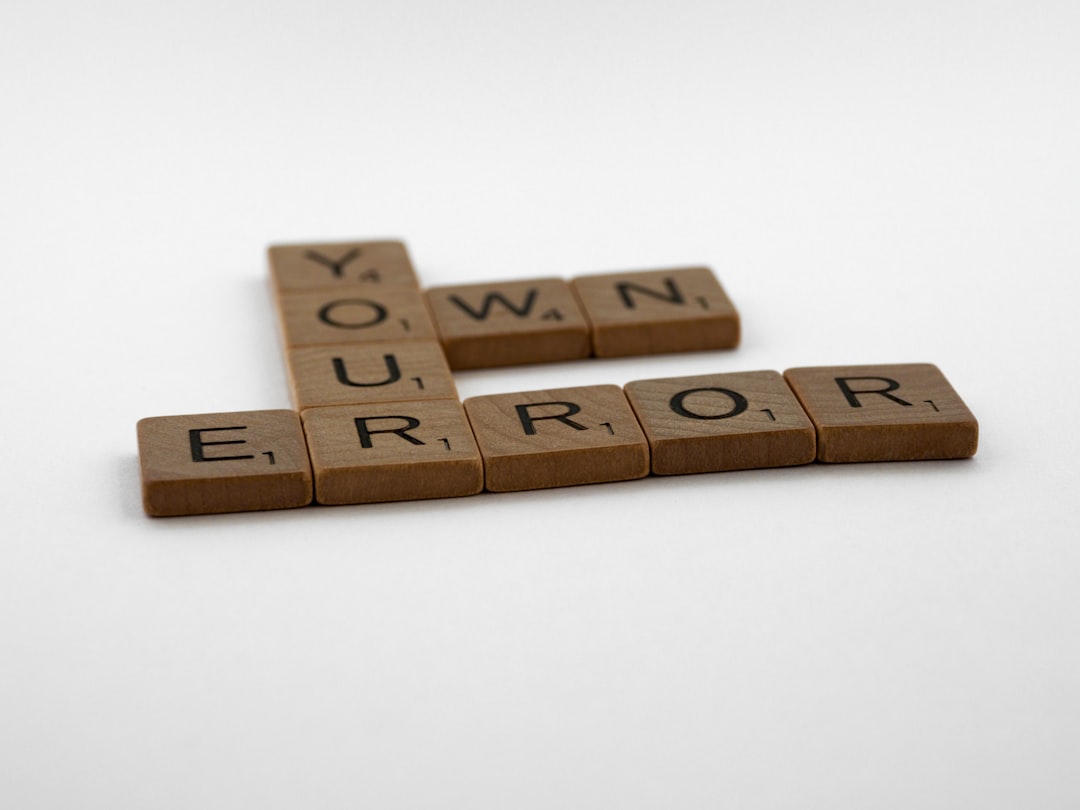
Errors are an inevitable part of any process, whether it’s a complex manufacturing line, a meticulously coded software application, or even a simple document. While some errors are minor inconveniences, others can lead to significant financial losses, safety hazards, or critical system failures. Traditionally, detecting these errors has been a labor-intensive, often tedious, and sometimes fallible human endeavor. But what if there was a way to catch these slips before they become catastrophes, with unprecedented speed and accuracy?
Enter artificial intelligence. AI is rapidly changing the landscape of error detection, offering powerful tools that can identify anomalies, predict failures, and flag inconsistencies with a precision that was once unimaginable. At TechDecoded, we’re all about making complex tech understandable, so let’s dive into how AI is becoming our most vigilant error-spotting ally.
The AI advantage: Beyond human limitations
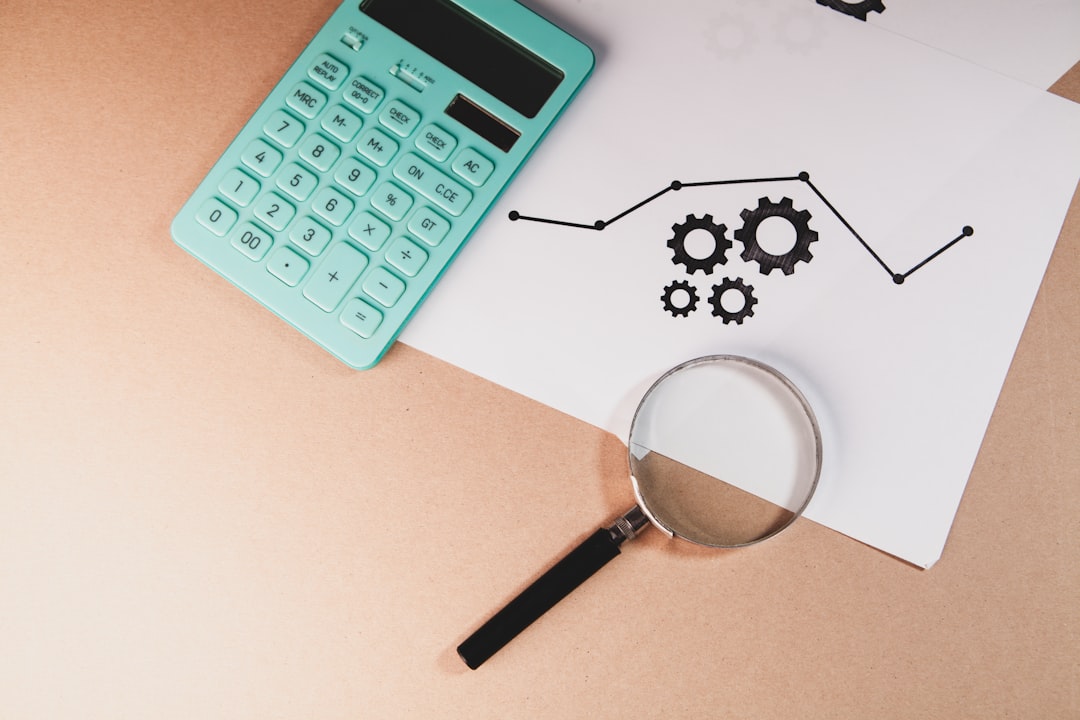
Human eyes and minds are incredible, but they have limits. Fatigue, distraction, and the sheer volume of data can lead to missed errors. AI, on the other hand, doesn’t get tired, doesn’t get bored, and can process vast amounts of information in fractions of a second. It leverages various techniques to pinpoint errors:
- Pattern recognition: AI models are trained on large datasets of both correct and incorrect examples, learning to identify the subtle patterns that distinguish one from the other.
- Anomaly detection: Instead of looking for known errors, AI can identify data points or behaviors that deviate significantly from the norm, signaling a potential issue.
- Predictive analytics: By analyzing historical data, AI can often predict where and when errors are likely to occur, allowing for proactive intervention.
- Natural language processing (NLP): For text-based errors, NLP can understand context, grammar, and even sentiment to flag inconsistencies or mistakes.
Real-world applications: AI in action
The practical applications of AI in error detection span nearly every industry. Here are a few compelling examples:
Manufacturing and quality control
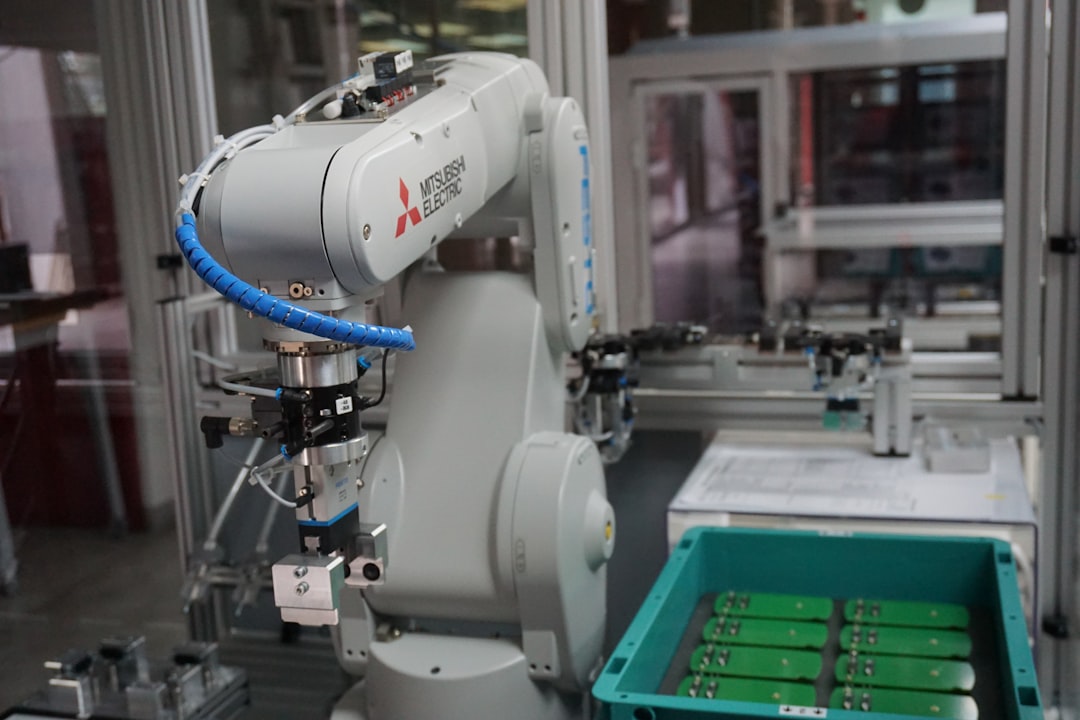
In factories, even a tiny defect can lead to product recalls and reputational damage. AI-powered vision systems can inspect products on an assembly line at high speed, identifying flaws that might be invisible to the human eye or easily missed during manual checks. From micro-cracks in circuit boards to misaligned components, AI ensures consistent quality.
- Use case: Detecting surface defects on automotive parts.
- Benefit: Reduces waste, improves product reliability, and speeds up inspection processes.
Software development and debugging
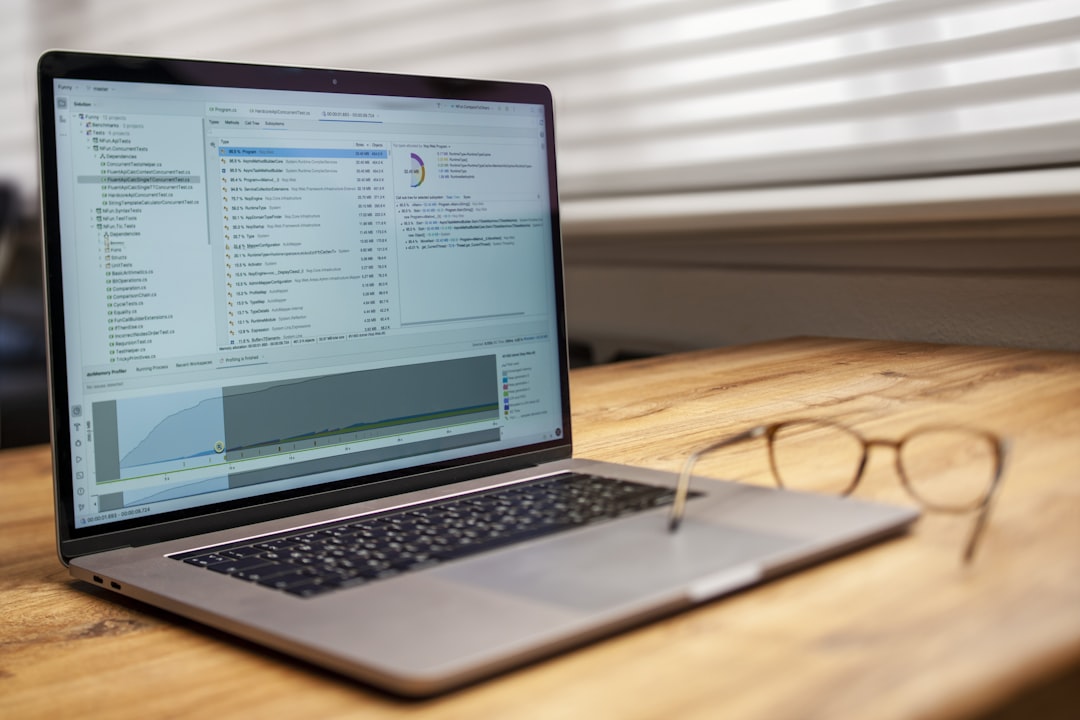
Writing code is complex, and bugs are an inevitable part of the process. AI tools can analyze code for common vulnerabilities, logical errors, and performance bottlenecks even before testing begins. They can also assist in debugging by pinpointing the likely source of an error based on runtime behavior and historical bug patterns.
- Use case: Identifying security vulnerabilities in new code commits.
- Benefit: Faster development cycles, more robust software, and fewer post-release patches.
Healthcare and diagnostics
Accuracy is paramount in healthcare. AI assists in detecting errors in medical images (like X-rays or MRIs) by highlighting suspicious areas that radiologists might overlook. It can also flag inconsistencies in patient records, medication dosages, or treatment plans, reducing the risk of medical errors.
- Use case: Assisting in early detection of anomalies in medical scans.
- Benefit: Improved diagnostic accuracy, earlier intervention, and enhanced patient safety.

Financial services and fraud detection
The financial sector is a prime target for fraudulent activities. AI systems continuously monitor transactions, looking for unusual patterns, sudden spikes in activity, or deviations from typical customer behavior. These anomalies can signal potential fraud, allowing banks to freeze suspicious transactions before significant damage occurs.
- Use case: Real-time detection of credit card fraud.
- Benefit: Prevents financial losses for institutions and customers, maintains trust.

Content creation and proofreading
Even the most seasoned writers make mistakes. AI-powered tools go beyond basic spell-checking, analyzing grammar, style, tone, and even factual inconsistencies. They can suggest improvements for clarity, conciseness, and overall readability, ensuring your message is always on point.
- Use case: Enhancing the quality and accuracy of marketing copy.
- Benefit: Professional, error-free communication and improved brand image.
Embracing AI for enhanced accuracy
The integration of AI into error detection processes isn’t about replacing human expertise; it’s about augmenting it. By offloading the repetitive, high-volume task of error spotting to AI, human professionals can focus on more complex problem-solving, critical decision-making, and creative tasks. This synergy leads to not just fewer errors, but also more efficient operations, higher quality outputs, and ultimately, a more reliable and trustworthy technological landscape.
As AI continues to evolve, its capabilities in identifying and preventing errors will only grow, making our systems, products, and services safer and more robust. For businesses and individuals alike, understanding and leveraging these AI tools is no longer a luxury, but a strategic imperative for navigating the complexities of the modern world.



Leave a Comment