


The human element in judgment: Where AI steps in
In a world overflowing with information, making sound judgments is more challenging than ever. From daily personal choices to critical business decisions, our judgment is constantly tested. While human intuition and experience are invaluable, they are also susceptible to biases, cognitive overload, and blind spots. This is where artificial intelligence (AI) emerges as a powerful ally, not to replace human judgment, but to augment and enhance it.
At TechDecoded, we believe in demystifying technology. Today, we’re exploring how AI can act as a sophisticated co-pilot, helping us navigate complexity and arrive at higher-quality decisions. 
Defining judgment quality in the age of AI
Before diving into how AI helps, let’s clarify what ‘judgment quality’ means. It encompasses several factors:
- Accuracy: The correctness of a decision or assessment.
- Objectivity: Freedom from personal biases or prejudices.
- Completeness: Considering all relevant information.
- Timeliness: Making decisions within an appropriate timeframe.
- Consistency: Applying similar criteria to similar situations.
Human judgment, while adaptable, can falter in these areas due to inherent cognitive limitations. AI, with its ability to process vast datasets and identify intricate patterns, offers a new frontier for improving these very aspects.
How AI elevates decision-making capabilities
AI’s contribution to judgment quality isn’t about making decisions for us, but about providing insights and tools that lead to better human-made decisions. Here are key ways it achieves this:
Uncovering patterns and anomalies in data
AI algorithms excel at sifting through massive amounts of data – far more than any human could – to identify trends, correlations, and outliers that might otherwise go unnoticed. This capability is crucial for making informed judgments based on comprehensive evidence.
- Example: In market analysis, AI can spot subtle shifts in consumer behavior or emerging competitive threats by analyzing social media, news, and sales data.

Mitigating cognitive biases
Humans are prone to various cognitive biases, such as confirmation bias (seeking information that confirms existing beliefs) or anchoring bias (over-relying on the first piece of information). AI, being data-driven, can be designed to flag potential biases in data or decision processes, offering a more neutral perspective.
- Example: An AI system reviewing job applications can be trained to focus purely on qualifications, reducing the impact of unconscious biases related to names, gender, or background.

Enhancing predictive accuracy
Predictive AI models analyze historical data to forecast future outcomes with a high degree of accuracy. This foresight is invaluable for strategic planning, risk assessment, and proactive decision-making.
- Example: In urban planning, AI can predict traffic congestion patterns or resource needs based on population growth and historical data, allowing for better infrastructure development.

Providing robust decision support systems
AI-powered decision support systems (DSS) integrate data analysis, modeling, and user interfaces to help decision-makers evaluate alternatives and understand potential consequences. They don’t dictate choices but empower users with better information.
- Example: A financial advisor using an AI-powered DSS can quickly model various investment scenarios, showing clients the potential risks and returns of different portfolios.
Real-world applications: AI in action
The practical applications of AI in improving judgment quality span numerous industries:
- Healthcare: AI assists doctors in diagnosing diseases earlier and more accurately by analyzing medical images, patient histories, and genomic data. It can also suggest personalized treatment plans based on vast clinical research.

- Finance: AI algorithms are crucial for fraud detection, identifying suspicious transactions by spotting anomalies in spending patterns. They also enhance credit risk assessment, providing a more nuanced view of a borrower’s reliability.

- Legal: AI tools can review thousands of legal documents in minutes, identifying relevant precedents, clauses, and potential risks, significantly improving the efficiency and accuracy of legal judgments.

- Business Strategy: From supply chain optimization to customer sentiment analysis, AI provides executives with deeper insights to make strategic decisions, anticipate market changes, and tailor products or services more effectively.

Navigating the future of intelligent decisions
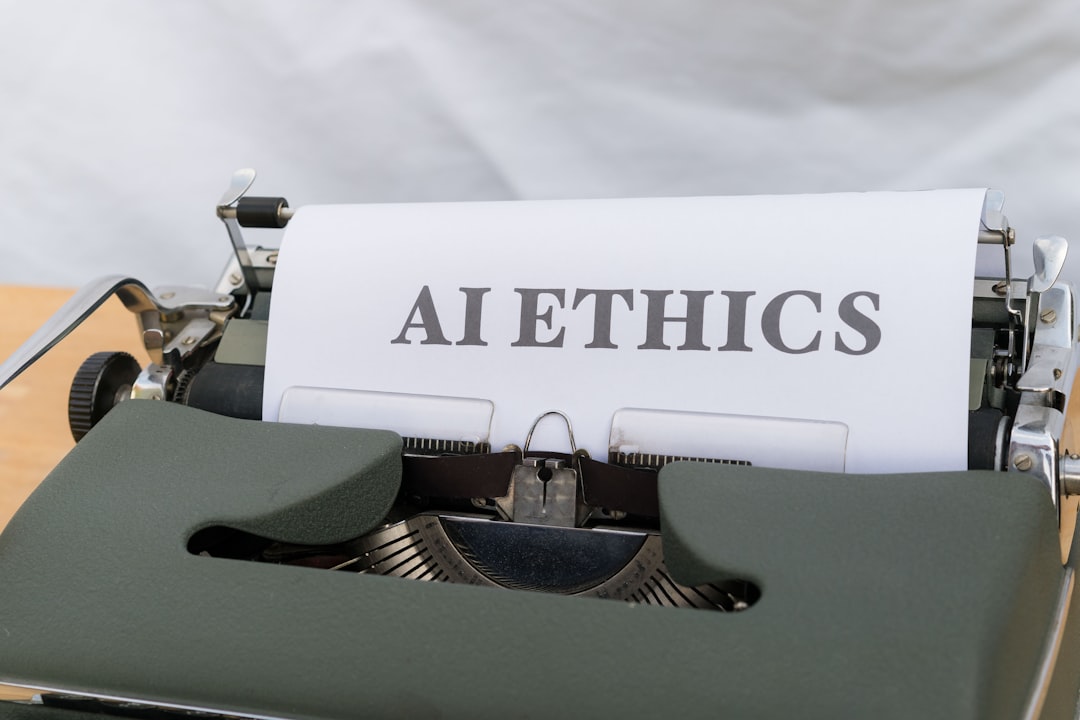
While the benefits of AI in enhancing judgment are clear, it’s important to approach its integration thoughtfully. Ethical considerations, data privacy, and the need for human oversight remain paramount. AI is a tool, and like any powerful tool, its effectiveness depends on how we wield it.
For businesses and individuals alike, embracing AI means fostering a culture of continuous learning and adaptation. It’s about understanding AI’s strengths and limitations, and strategically deploying it to amplify our uniquely human capacities for empathy, creativity, and critical thinking. By doing so, we can unlock a future where our judgments are not just faster, but fundamentally better.
A smarter path to better decisions
The journey to improved judgment quality is an ongoing one, and AI offers a powerful accelerator. By leveraging its capabilities to process data, mitigate bias, predict outcomes, and support complex decisions, we can empower ourselves to make more informed, objective, and effective choices. The future isn’t about AI making all the decisions, but about humans and AI collaborating to achieve unprecedented levels of insight and wisdom. 
Leave a Comment