


The strategic advantage of AI
Today, effective strategic thinking is more crucial than ever. Leaders and teams are constantly challenged to make informed decisions, anticipate market shifts, and innovate. While human intuition and experience remain invaluable, the sheer volume of data and complexity of modern business environments can be overwhelming. This is where artificial intelligence steps in, not to replace human strategists, but to powerfully augment their capabilities.
TechDecoded explores how AI can transform strategic planning from a reactive process into a proactive, data-driven engine for growth and innovation. 
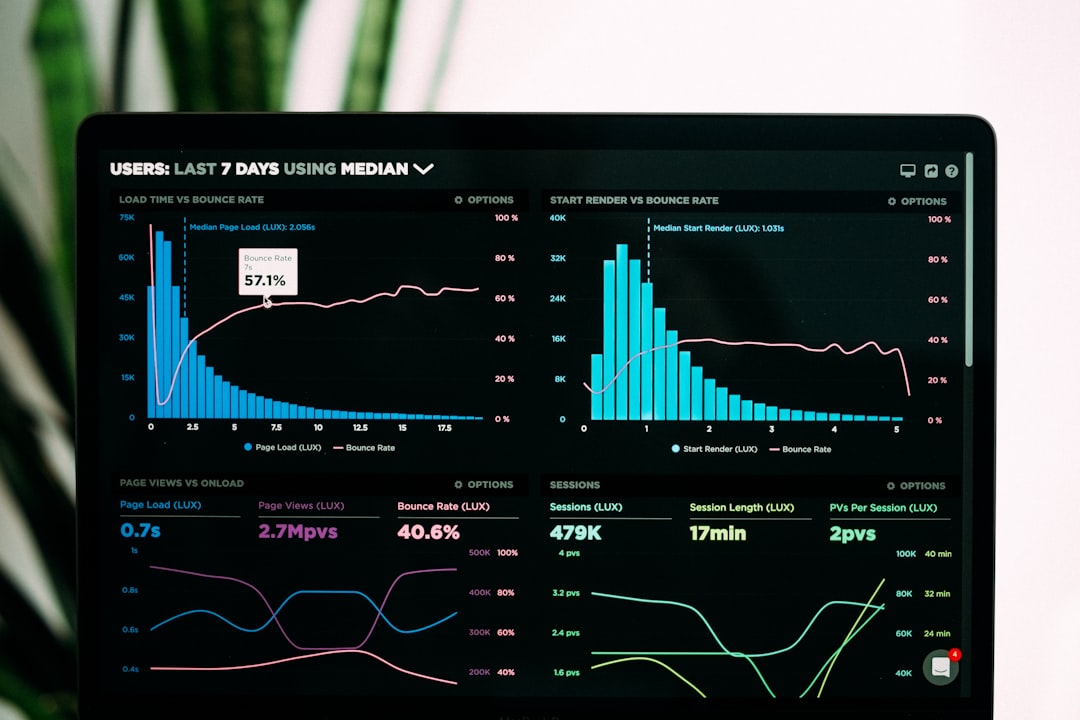
AI’s role in data analysis and insight generation
At the core of strategic thinking is the ability to derive meaningful insights from data. Traditional methods can be slow and prone to human bias, especially when dealing with massive datasets. AI excels here, processing and analyzing information at speeds and scales impossible for humans alone.
- Uncovering hidden patterns: AI algorithms can identify subtle correlations and trends within vast amounts of structured and unstructured data, revealing opportunities or risks that might otherwise go unnoticed.
- Market intelligence: AI tools can monitor news, social media, competitor activities, and economic indicators to provide a real-time pulse on the market landscape.
- Customer behavior analysis: Understanding customer preferences, purchasing patterns, and feedback is vital. AI can segment customers, predict churn, and personalize experiences, all contributing to a more robust customer-centric strategy.
Forecasting and scenario planning with AI
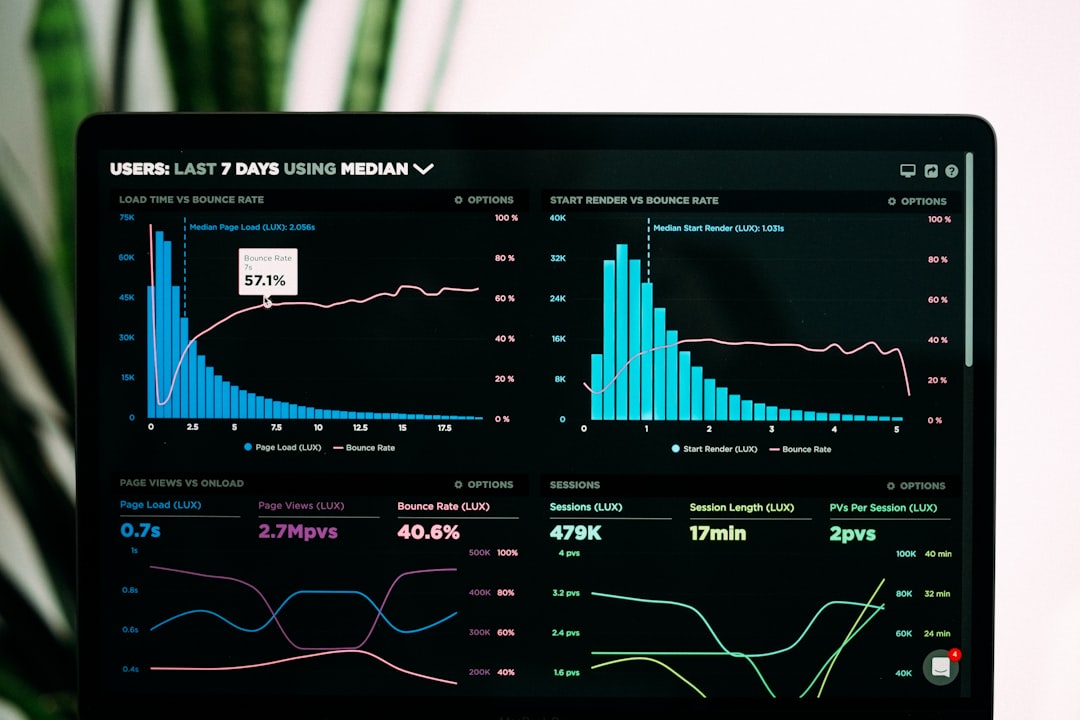
One of the most powerful applications of AI in strategy is its ability to predict future outcomes and model various scenarios. This moves strategic planning beyond educated guesses to data-backed foresight.
- Predictive analytics: AI models can forecast sales, demand, resource needs, and market trends with remarkable accuracy, helping organizations allocate resources more effectively and prepare for future challenges.
- Risk assessment: By analyzing historical data and external factors, AI can identify potential risks, assess their likelihood, and suggest mitigation strategies, allowing strategists to build more resilient plans.
- Scenario modeling: AI can simulate the impact of different strategic choices under various conditions (e.g., economic downturns, new competitor entry), providing a clearer picture of potential outcomes and helping to stress-test strategies before implementation.
Automating research and information gathering
A significant portion of strategic planning involves extensive research and information gathering. AI can drastically reduce the time and effort required for these tasks, freeing up human strategists to focus on higher-level thinking.
- Intelligent search and summarization: AI-powered tools can sift through countless documents, reports, and web pages, extracting key information and summarizing complex topics in a fraction of the time it would take a human.
- Competitive intelligence: AI can continuously monitor competitors’ product launches, pricing strategies, marketing campaigns, and financial performance, providing a comprehensive and up-to-date competitive landscape.
- Trend spotting: By analyzing vast amounts of text and media, AI can identify emerging trends in technology, consumer preferences, and societal shifts, offering early warnings and opportunities for innovation.

Enhancing decision-making and execution
Ultimately, strategic thinking culminates in making and executing decisions. AI supports this phase by providing data-driven recommendations and optimizing processes.
- Data-driven recommendations: Based on its analysis and forecasts, AI can offer specific recommendations for strategic actions, complete with supporting data and predicted outcomes.
- Performance monitoring: AI can continuously track key performance indicators (KPIs) against strategic goals, alerting teams to deviations and suggesting adjustments in real-time.
- Resource optimization: From supply chain management to marketing spend, AI can optimize resource allocation to ensure strategic initiatives are executed efficiently and effectively.
Comparing AI tools for strategic insights
While the principles of AI in strategic thinking are universal, the practical application often involves specific tools. Understanding their strengths and weaknesses is crucial for selecting the right technology to support your strategic initiatives.
| Tool | Where it helps | Key limitation | When to choose it |
|---|---|---|---|
| Generative AI (e.g., ChatGPT, Claude) | Rapid ideation, synthesizing vast amounts of text, drafting initial analyses, brainstorming scenarios, summarizing complex documents. | Prone to ‘hallucinations’ (generating false information), lacks real-time data integration for proprietary sources, requires careful fact-checking. | For exploratory research, creative problem-solving, generating diverse perspectives, and quickly summarizing public information. |
| Business Intelligence Platforms (e.g., Tableau, Power BI with AI features) | Visualizing complex data, identifying trends, creating interactive dashboards, supporting data-driven decision-making with integrated AI for anomaly detection and forecasting. | Primarily relies on structured data, less adept at processing unstructured text or generating novel insights beyond the data provided, requires significant data preparation. | When you have well-structured internal data and need to monitor KPIs, track performance against strategic goals, and visualize operational insights. |
| Predictive Analytics Software (e.g., SAS, IBM Watson Studio) | Forecasting future trends (sales, demand, market shifts), risk assessment, identifying optimal resource allocation, building sophisticated predictive models. | Requires specialized data science expertise to configure and interpret, can be resource-intensive, models need continuous validation and updating. | For high-stakes forecasting, optimizing complex operations, and understanding the likelihood of various future scenarios based on historical data. |
| Market Intelligence Platforms (e.g., Brandwatch, Similarweb) | Monitoring competitor activities, tracking industry trends, analyzing consumer sentiment, identifying emerging market opportunities, real-time competitive landscaping. | Focuses primarily on external, publicly available data; may not integrate well with internal proprietary data for a holistic view; subscription costs can be significant. | When competitive advantage hinges on understanding external market dynamics, consumer behavior, and staying ahead of industry shifts. |
Navigating common pitfalls in AI-augmented strategy
While AI offers immense potential to enhance strategic thinking, its implementation is not without challenges. Organizations must be aware of common pitfalls to truly leverage AI’s power and avoid costly missteps. One significant mistake is over-reliance on AI outputs without critical human oversight. AI models, no matter how sophisticated, are built on historical data and algorithms. They can perpetuate existing biases present in the data, leading to skewed insights or recommendations that might not align with ethical considerations or nuanced human factors. A strategy derived solely from AI, without a human strategist’s judgment, empathy, and understanding of organizational culture, risks being detached from reality or missing critical qualitative elements.
Another frequent misstep is failing to integrate AI insights into the existing strategic planning workflow effectively. Many organizations treat AI as a standalone tool rather than an embedded component of their decision-making process. This can lead to a disconnect where AI generates valuable insights, but these insights are not acted upon, or they are presented in a format that is not easily digestible by decision-makers. Successful integration requires not only the right technology but also a cultural shift, training for strategic teams, and clear processes for how AI-generated information feeds into discussions, scenario planning, and final strategic choices. Without this, AI becomes an expensive data generator rather than a strategic enabler.
Finally, a critical pitfall is neglecting the quality and relevance of the data feeding the AI. The adage
A practical path forward with AI
Integrating AI into strategic thinking isn’t about replacing the human element, but about empowering it. By offloading data-intensive tasks, providing deeper insights, and offering predictive capabilities, AI allows strategists to focus on creativity, critical judgment, and the nuanced understanding of human factors that machines cannot replicate. The future of strategic planning is a collaborative one, where human ingenuity is amplified by the precision and power of artificial intelligence. Embrace these tools to navigate complexity, seize opportunities, and drive your organization forward.




1 Comment