

The invisible chains of assumption
We all operate based on assumptions. They’re mental shortcuts, often formed from past experiences, cultural norms, or limited data. While useful for quick decisions, they can also be invisible chains, limiting our creativity, hindering innovation, and leading to missed opportunities. In a rapidly evolving world, challenging these ingrained beliefs isn’t just a good idea – it’s essential for progress. But how do we effectively identify and question what we often take for granted?
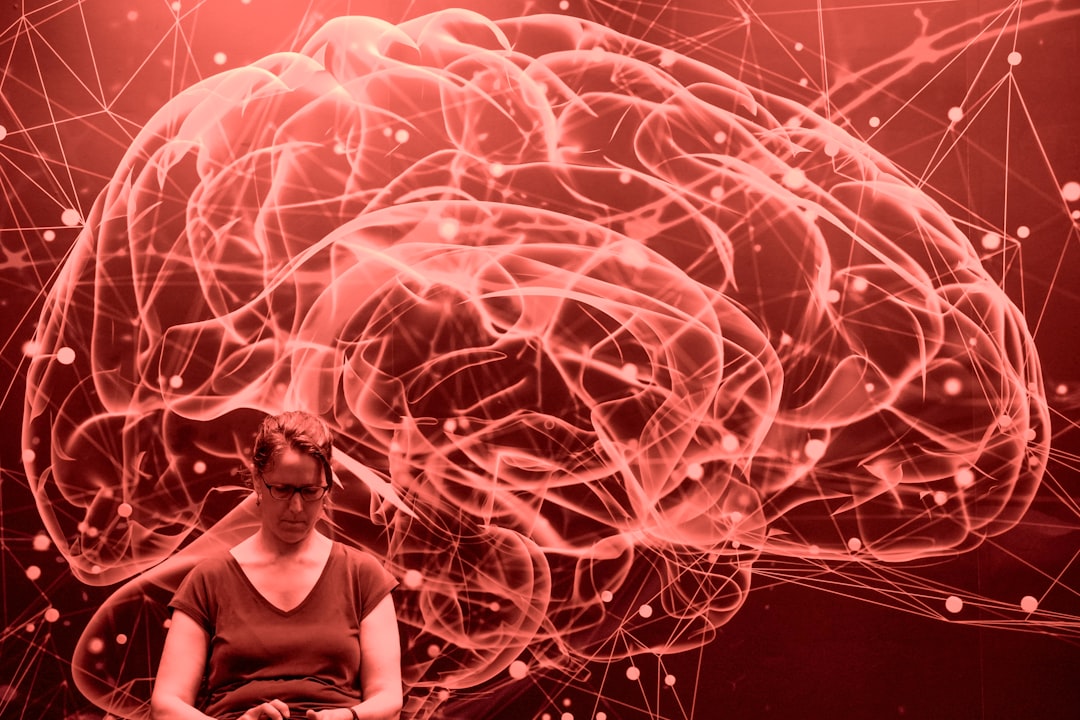
This is where artificial intelligence steps in as a powerful ally. AI, with its ability to process vast amounts of data without human biases, offers a unique lens through which to scrutinize our assumptions, revealing patterns and possibilities we might otherwise overlook.
Why human assumptions are so tricky
Our brains are wired for efficiency, not always for objective truth. Cognitive biases like confirmation bias (seeking information that confirms our existing beliefs) or availability bias (overestimating the importance of information that’s easily recalled) constantly shape our perceptions. These biases make it incredibly difficult for us to genuinely challenge our own deeply held assumptions.
- Confirmation bias: We actively look for evidence that supports what we already believe.
- Anchoring bias: We rely too heavily on the first piece of information offered.
- Groupthink: The desire for harmony or conformity in a group results in irrational or dysfunctional decision-making.

AI, however, doesn’t suffer from these human limitations. It approaches data with a ‘blank slate,’ allowing it to identify correlations and anomalies that might contradict our preconceived notions.
AI’s unique approach to assumption-busting
AI’s power in challenging assumptions comes from several key capabilities:
Data-driven pattern recognition
Traditional analysis often starts with a hypothesis, which is itself an assumption. AI, particularly machine learning, can sift through massive datasets to find unexpected patterns and relationships without a pre-existing hypothesis. It can highlight outliers or trends that defy conventional wisdom, forcing us to re-evaluate our understanding.

For example, an AI might analyze customer behavior data and discover that a product thought to be popular with one demographic is actually gaining traction with an entirely different, unexpected group, prompting a shift in marketing strategy.
Simulating alternative realities
AI-powered simulations can model complex systems and predict outcomes under various conditions. This allows us to test ‘what if’ scenarios that would be impossible or too costly in the real world. By running simulations with different variables, we can see how our assumptions about cause and effect hold up, or where they break down.
- Business strategy: Simulating market changes to test product launch assumptions.
- Urban planning: Modeling traffic flow to challenge assumptions about new road designs.
- Climate science: Predicting environmental impacts under different policy scenarios.

This capability helps us move beyond gut feelings to evidence-based foresight.
Uncovering hidden variables and biases
Sometimes, our assumptions are based on incomplete information or unconscious biases embedded in our data collection. AI can help identify these hidden variables or systemic biases. For instance, an AI auditing hiring practices might reveal that certain keywords in job descriptions inadvertently deter diverse applicants, challenging the assumption of a neutral hiring process.
Real-world applications of AI challenging assumptions
The impact of AI in questioning established norms is being felt across various sectors:
- Healthcare: AI analyzes patient data to identify new risk factors for diseases, challenging long-held medical beliefs about causality or treatment efficacy.
- Finance: AI detects fraudulent patterns that human analysts might miss, questioning assumptions about typical transaction behaviors.
- Marketing: AI personalizes content based on individual preferences, often revealing that broad demographic assumptions about consumer interests are inaccurate.
- Scientific research: AI accelerates hypothesis generation by finding novel connections in vast scientific literature, pushing the boundaries of existing theories.

In each case, AI acts as a powerful mirror, reflecting back the limitations of our current understanding and prompting us to look deeper.
Integrating AI into your critical thinking toolkit
Using AI to challenge assumptions isn’t about replacing human intuition; it’s about augmenting it. Here’s how you can start:
- Define your assumptions: Before using AI, consciously list the core assumptions guiding your decisions or understanding.
- Identify relevant data: Determine what data sources AI could analyze to either support or contradict these assumptions.
- Choose the right AI tool: Whether it’s a data analytics platform, a simulation engine, or a natural language processing tool, select AI that fits your data and objective.
- Interpret with an open mind: Be prepared for AI to present findings that challenge your comfort zone. The goal is learning, not validation.
- Iterate and refine: Use AI’s insights to refine your understanding, develop new hypotheses, and make more informed decisions.

Embracing AI as a tool for critical inquiry can transform how we approach problems, fostering a culture of continuous learning and innovation.
A practical path forward with AI-powered insights
The ability to challenge assumptions is a cornerstone of progress. By leveraging artificial intelligence, we gain an unparalleled capacity to move beyond our cognitive blind spots and uncover deeper truths. TechDecoded encourages you to explore how AI can become an integral part of your personal and professional journey toward more informed, innovative, and impactful decision-making. The future belongs to those who are willing to question everything, and AI is here to help lead the way.



Leave a Comment