


Understanding scenario planning in a complex world
In today’s fast-paced world, predicting the future is less about crystal balls and more about strategic foresight. Scenario planning is a powerful tool that helps organizations anticipate various potential futures, understand their implications, and prepare robust strategies. It’s about asking ‘what if?’ and exploring a range of possibilities, from best-case to worst-case, to build resilience and adaptability.
Traditionally, this process has been resource-intensive, relying heavily on human intuition, limited data sets, and often, a narrow scope of imagination. But what if you could analyze vast amounts of data, identify subtle patterns, and generate a multitude of plausible futures with unprecedented speed and accuracy? This is where artificial intelligence steps in, transforming scenario planning from a laborious exercise into a dynamic, insightful capability.

At TechDecoded, we believe in making complex tech accessible. Let’s explore how AI isn’t just a buzzword, but a practical ally in preparing for tomorrow.
The traditional challenge: Human limits in an data-rich era
Imagine a team trying to forecast market shifts for the next five years. They’d gather economic reports, industry trends, expert opinions, and then brainstorm. While valuable, this approach often faces several limitations:
- Data overload: The sheer volume of available data can be overwhelming, making it difficult for humans to process comprehensively.
- Cognitive biases: Human decision-makers are susceptible to biases, which can lead to overlooking critical information or favoring certain outcomes.
- Limited scope: Brainstorming sessions, while creative, can sometimes miss less obvious or ‘black swan’ events.
- Time and resources: Manual scenario planning is time-consuming and requires significant human capital.
These challenges highlight a clear need for tools that can augment human capabilities, allowing us to explore a wider, more nuanced range of potential futures.
AI’s transformative power in scenario generation
Artificial intelligence, particularly machine learning and natural language processing, brings a new dimension to scenario planning. It doesn’t replace human insight but supercharges it, offering capabilities that were once unimaginable.
Data analysis and pattern recognition
AI algorithms can ingest and process colossal datasets – from global economic indicators and social media trends to climate data and geopolitical events. They can identify subtle correlations, anomalies, and emerging patterns that would be invisible to the human eye. This deep analysis forms the bedrock for more informed scenario generation.

For example, an AI might detect a nascent trend in consumer behavior by analyzing millions of online conversations, predicting a shift in demand long before it becomes apparent through traditional market research.
Predictive modeling and forecasting
Machine learning models excel at identifying relationships within historical data to predict future outcomes. By training on vast datasets, AI can build sophisticated predictive models that forecast various metrics – from sales figures and supply chain disruptions to disease outbreaks and political instability – under different conditions. This allows for the creation of quantitative scenarios with a higher degree of accuracy.
Generating diverse and novel scenarios
Beyond predicting known variables, advanced AI, like generative models, can help create entirely new, plausible scenarios. By understanding the underlying dynamics of complex systems, AI can suggest ‘what if’ situations that might not have occurred to human planners, pushing the boundaries of strategic thinking.
Real-time adaptation and monitoring
Once scenarios are developed, AI can continuously monitor real-world data against these predicted futures. If events start to align with a particular scenario, or deviate significantly, AI can trigger alerts, allowing organizations to adapt their strategies in near real-time. This continuous feedback loop makes scenario planning a living, breathing process rather than a static document.
Practical applications: AI in action
The application of AI in scenario planning spans across numerous industries, offering tangible benefits.
- Business strategy: Companies use AI to model market shifts, competitive responses, and technological disruptions. For instance, an AI might simulate the impact of a new competitor entering the market or a sudden change in consumer preferences, helping leadership prepare proactive strategies.
- Supply chain resilience: AI can analyze global events, weather patterns, and geopolitical risks to model potential disruptions to supply chains. This allows businesses to identify vulnerabilities and pre-plan alternative routes or suppliers, ensuring continuity.
- Climate change adaptation: Governments and organizations leverage AI to model the long-term impacts of climate change, such as rising sea levels or extreme weather events, on infrastructure, agriculture, and public health. This informs urban planning, disaster preparedness, and policy-making.
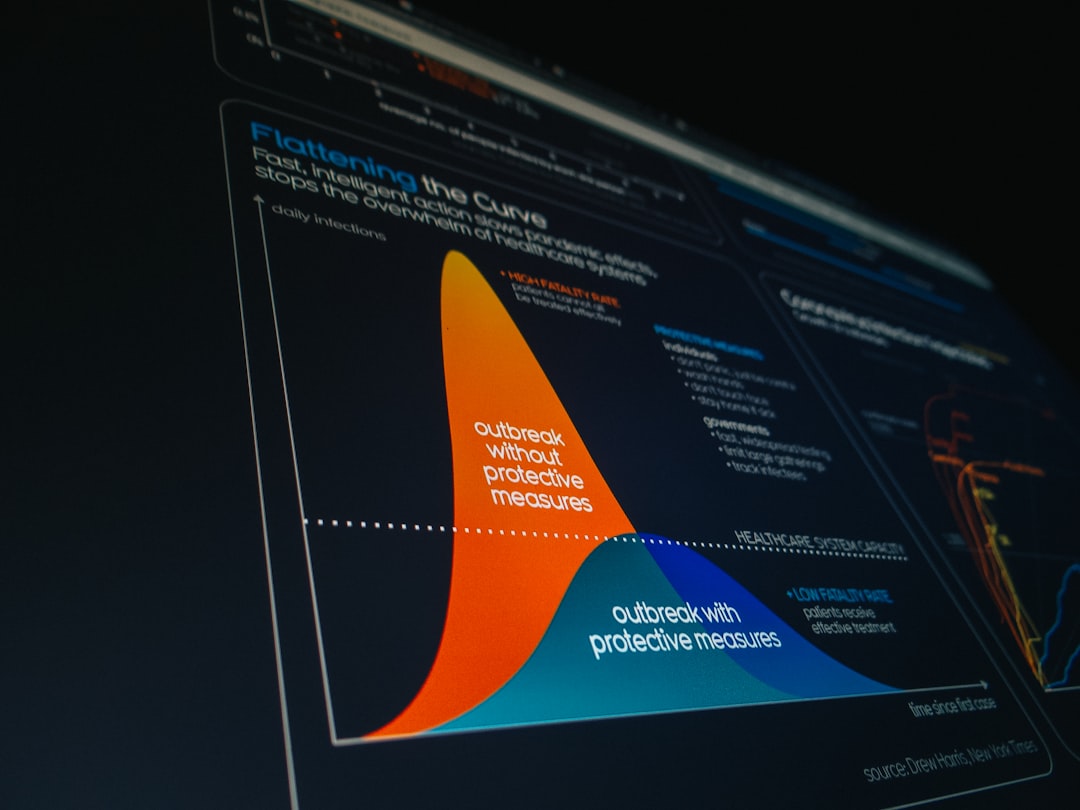
- Healthcare planning: AI assists in modeling potential pandemic scenarios, resource allocation during crises, and the impact of new medical technologies. This helps healthcare systems prepare for future demands and optimize patient care.

Getting started with AI for scenario planning
Integrating AI into your scenario planning doesn’t require an overnight overhaul. Here’s a practical approach:
- Define your objectives: What specific uncertainties are you trying to address? What decisions do you need to inform?
- Start small: Begin with a pilot project focusing on a specific area, like market forecasting or supply chain risk.
- Leverage existing data: Identify the data sources you already have and explore how AI can extract more value from them.
- Partner with experts: If in-house AI expertise is limited, consider collaborating with AI solution providers or consultants.
- Focus on augmentation: Remember, AI is a tool to enhance human decision-making, not replace it. The human element remains crucial for interpreting AI outputs and making strategic choices.
A smarter way forward with AI
The future is inherently uncertain, but our ability to navigate it doesn’t have to be. By embracing AI in scenario planning, organizations can move beyond reactive measures to proactive foresight. It’s about making more informed decisions, building greater resilience, and ultimately, shaping a more desirable future. As technology continues to evolve, so too will our capacity to understand and prepare for the world ahead, making AI an indispensable partner in strategic thinking.




Leave a Comment