


The journey from simple conversations to self-governing intelligence
Artificial intelligence is evolving at a breathtaking pace, transforming from helpful digital assistants into sophisticated entities capable of independent action. What started as basic chatbots designed for specific tasks is now blossoming into a landscape of autonomous systems that can learn, adapt, and make decisions without constant human oversight. At TechDecoded, we’re here to break down this exciting, sometimes daunting, progression and explore what it means for our daily lives and the future of technology.

The era of the chatbot: Our first digital companions
For many, the first real interaction with AI came in the form of a chatbot. These conversational agents, whether on a customer service website or embedded in a smart speaker, revolutionized how we sought information and support. Chatbots are essentially programs designed to simulate human conversation, primarily through text or voice. They operate based on a set of rules, natural language processing (NLP) capabilities, and often machine learning to understand and respond to user queries.
- Rule-based chatbots: Follow predefined scripts and keywords. Effective for FAQs but limited in handling complex or unexpected queries.
- AI-powered chatbots: Utilize machine learning to understand context, learn from interactions, and provide more nuanced responses. Think of virtual assistants like Siri or Alexa.
While incredibly useful for automating routine tasks, providing instant support, and streamlining information access, chatbots generally require explicit instructions and operate within predefined boundaries. They are reactive, waiting for a prompt before acting.

Beyond chatbots: Introducing autonomous systems
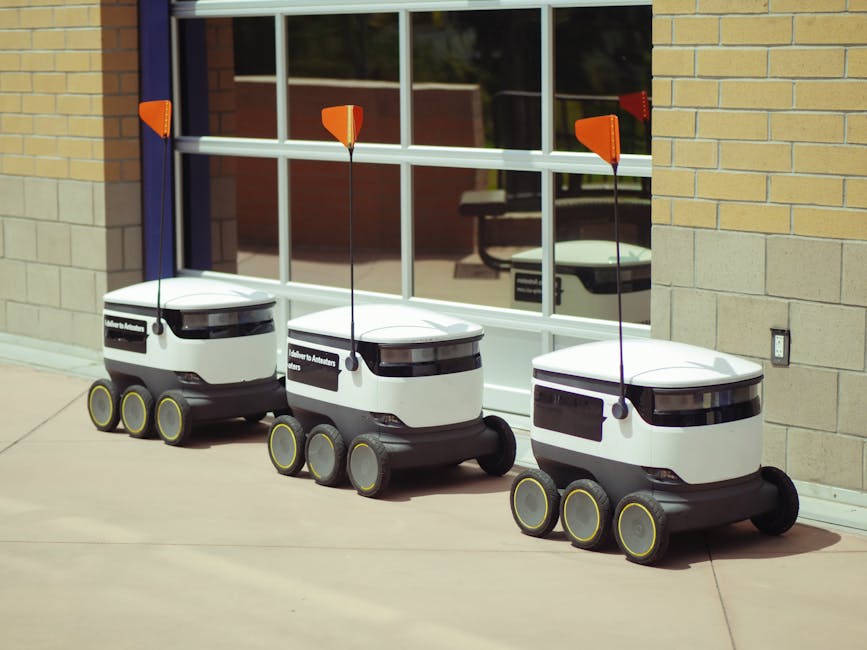
The leap from a chatbot to an autonomous system is significant. An autonomous system isn’t just responding to commands; it’s designed to operate independently, pursuing goals, perceiving its environment, and making decisions to achieve those goals without continuous human intervention. These systems are proactive, often self-regulating, and can adapt to changing conditions.
Think of it this way: a chatbot answers your question about the weather, but an autonomous system might decide the optimal route for your self-driving car based on real-time traffic, weather, and your calendar, then execute that plan.
Key characteristics that define autonomy
What makes a system truly autonomous? Several core attributes set them apart:
- Self-governance: They can operate for extended periods without human input, managing their own processes and resources.
- Perception and understanding: Autonomous systems use sensors (cameras, lidar, microphones) to gather data about their environment and AI algorithms to interpret that data, building a comprehensive understanding of their surroundings.
- Decision-making: Based on their understanding of the environment and their predefined goals, they can make complex decisions, often in real-time, to achieve desired outcomes.
- Learning and adaptation: Many autonomous systems incorporate machine learning to improve their performance over time, adapting to new situations and refining their strategies.
- Goal-oriented behavior: They are programmed with specific objectives and will take actions to fulfill those objectives, even if the path to do so is not explicitly coded.

Real-world applications shaping our future
Autonomous systems are no longer just science fiction; they are rapidly integrating into various sectors:
- Self-driving vehicles: Perhaps the most visible example, autonomous cars navigate roads, avoid obstacles, and transport passengers without human drivers.
- Robotics in manufacturing: Smart factories use autonomous robots for assembly, quality control, and logistics, optimizing production lines and increasing efficiency.
- Drone delivery and inspection: Autonomous drones are being deployed for package delivery, infrastructure inspection, and even search and rescue operations.
- AI agents in finance: Autonomous trading algorithms execute complex financial transactions at speeds impossible for humans, reacting to market changes instantly.
- Smart home ecosystems: Advanced smart home systems can autonomously manage energy consumption, security, and climate control based on learned patterns and external conditions.


Navigating the challenges and ethical landscape
The rise of autonomous systems brings immense potential but also significant challenges and ethical considerations. Questions around accountability in case of failure, the potential for job displacement, and the inherent biases that can be embedded in AI algorithms are paramount. Ensuring transparency, control, and safety in these systems is crucial for their responsible development and public acceptance.
- Safety and reliability: How do we guarantee these systems operate flawlessly in unpredictable environments?
- Ethical decision-making: How do we program AI to make moral choices in complex situations (e.g., a self-driving car accident)?
- Data privacy and security: Autonomous systems often collect vast amounts of data; protecting this information is vital.
- Human oversight and control: Finding the right balance between autonomy and human intervention is key.

Embracing the intelligent future with purpose
The evolution from chatbots to autonomous systems marks a profound shift in our relationship with technology. While chatbots remain valuable tools for specific interactions, autonomous systems represent a new frontier of intelligent agents capable of independent action and complex decision-making. Understanding this progression is not just about appreciating technological advancement; it’s about preparing for a future where AI plays an increasingly active role in shaping our world. At TechDecoded, we believe that by demystifying these powerful technologies, we can better harness their potential, address their challenges, and ensure they serve humanity’s best interests.





Leave a Comment