

Unlocking team potential with AI-powered insights
In today’s fast-paced work environment, understanding what truly drives team performance can feel like navigating a maze. Traditional methods often fall short, providing only a snapshot rather than a comprehensive view of team dynamics, productivity, and engagement. This is where artificial intelligence steps in, offering powerful tools designed to decode complex team data into actionable insights. At TechDecoded, we believe in making advanced technology accessible, and AI tools for team performance are a prime example of how AI can transform your workplace.
These innovative solutions go beyond simple metrics, using advanced algorithms to analyze communication patterns, project progress, and individual contributions. The goal isn’t just to monitor, but to empower leaders and team members alike with the knowledge needed to optimize workflows, identify bottlenecks, and foster a more collaborative and efficient environment.
What are AI tools for team performance insights?
AI tools for team performance insights are sophisticated software applications that leverage artificial intelligence and machine learning to collect, process, and analyze various data points related to how a team operates. This data can come from a multitude of sources, including project management software, communication platforms, CRM systems, and even HR databases.
Instead of relying on subjective observations or manual data crunching, these AI systems can identify patterns, predict potential issues, and highlight areas for improvement with remarkable objectivity and speed. They can pinpoint who might be overloaded, where communication breakdowns occur, or which processes are most efficient. The result is a data-driven understanding of team health and productivity, enabling proactive adjustments rather than reactive problem-solving.

Key features to look for in AI performance tools
When exploring AI tools to enhance your team’s performance, certain features stand out as crucial for delivering meaningful insights. Understanding these can help you choose the right solution for your organization’s specific needs:
- Comprehensive data integration: The best tools seamlessly connect with your existing tech stack – think Slack, Microsoft Teams, Asana, Jira, Salesforce, and more. This ensures a holistic view of all team activities.
- Predictive analytics: Beyond reporting what has happened, powerful AI can forecast future trends, such as potential project delays, burnout risks, or even success rates for certain initiatives.
- Sentiment analysis: By analyzing text from communications, some tools can gauge team morale and identify potential areas of frustration or disengagement, offering early warnings.
- Automated reporting and alerts: Generate customizable reports on key performance indicators (KPIs) and receive automated alerts when specific thresholds are met or issues are detected.
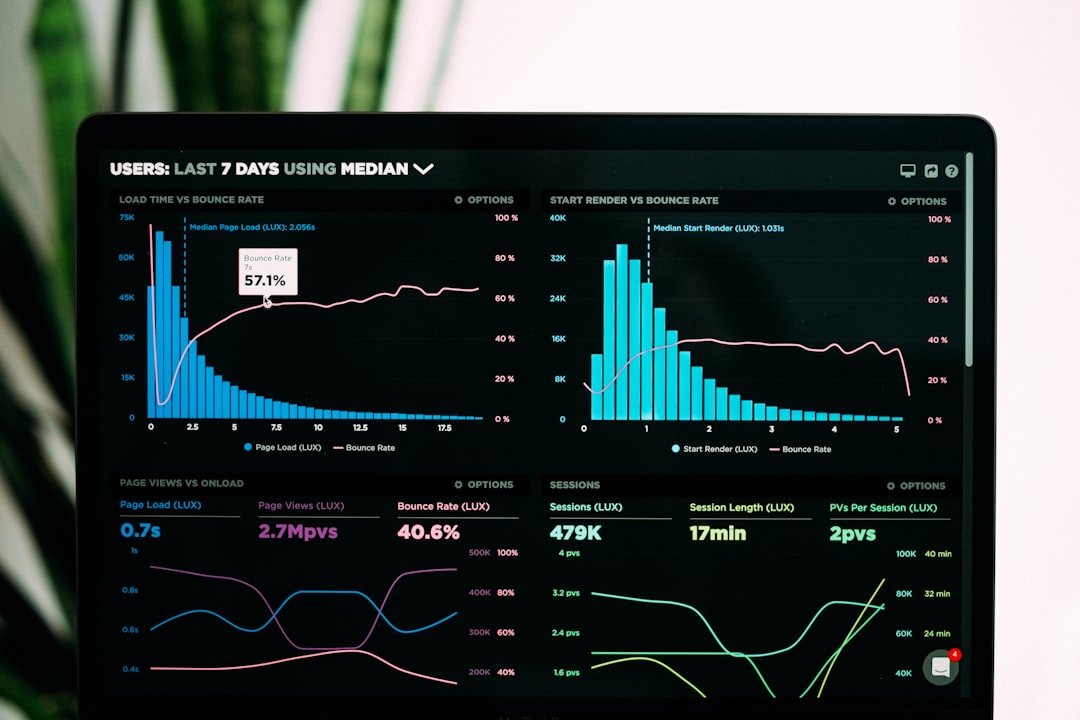
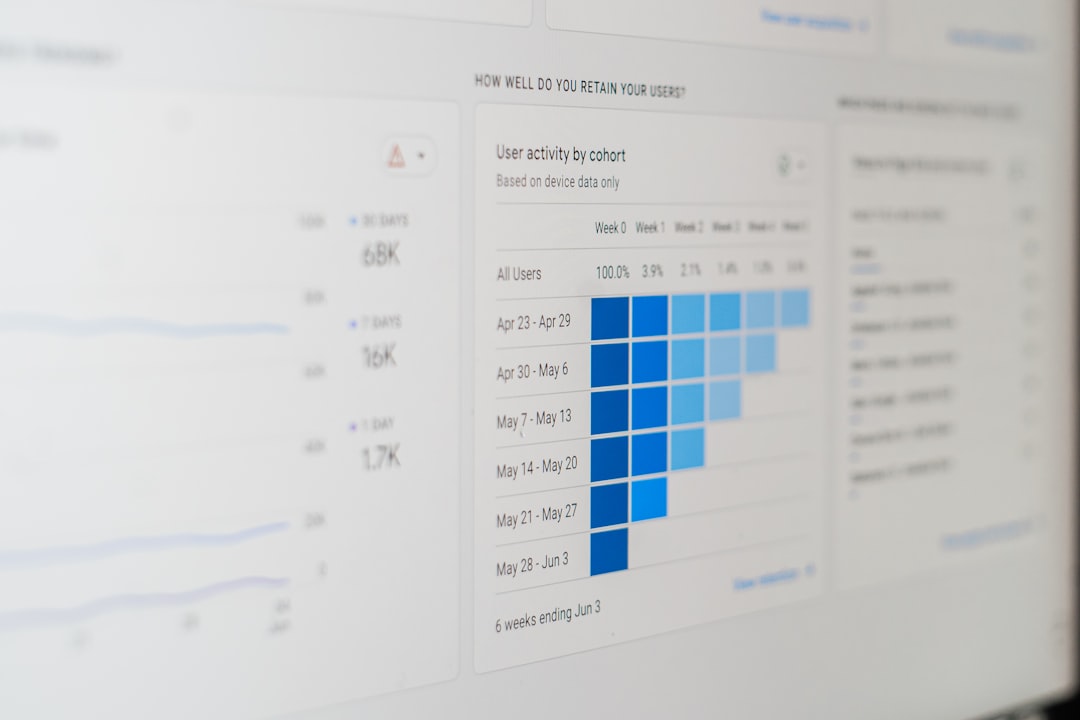
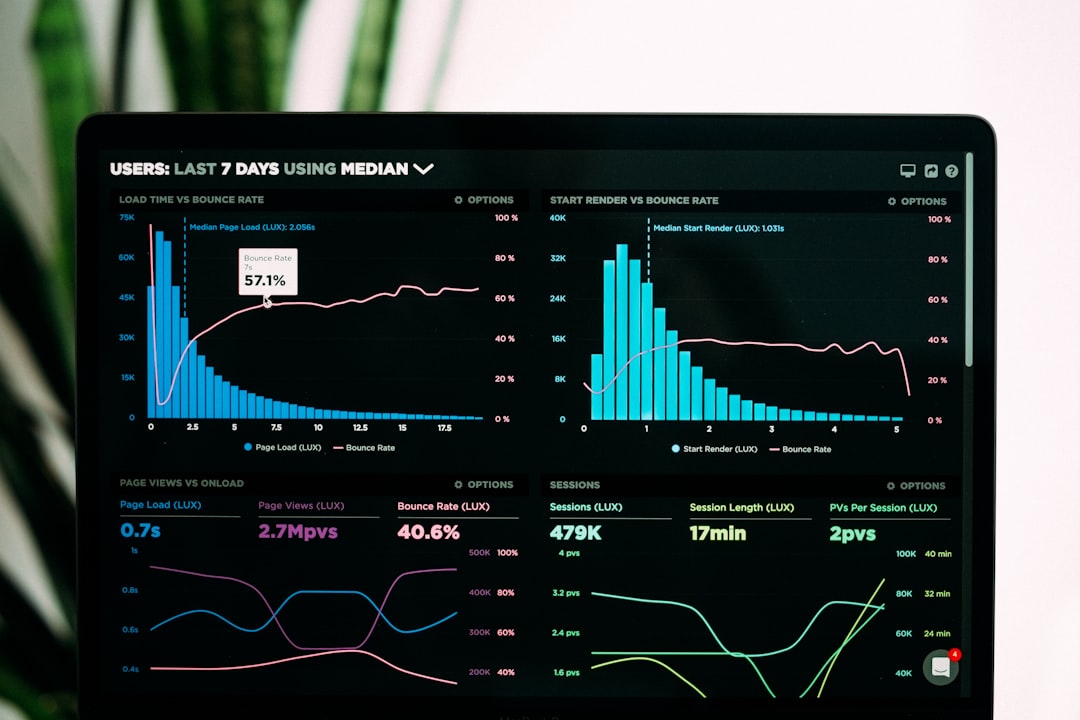
- Customizable dashboards: Visual, easy-to-understand dashboards allow leaders to quickly grasp complex data, focusing on the metrics most relevant to their team’s goals.
- Privacy and security controls: Robust features to ensure data privacy, compliance with regulations, and ethical use of insights are paramount.
How AI insights transform team dynamics
Implementing AI tools for team performance isn’t just about numbers; it’s about fundamentally improving how teams work together. The insights gained can lead to several transformative benefits:
- Improved communication: By identifying communication gaps or bottlenecks, AI can suggest better channels or strategies, fostering clearer and more effective interactions.
- Optimized resource allocation: Understand who is over-utilized or under-utilized, allowing managers to distribute workloads more equitably and prevent burnout.
- Proactive problem-solving: Spotting potential issues like project delays or declining engagement before they escalate enables timely interventions.
- Enhanced employee engagement: When teams feel supported and their contributions are recognized through data, engagement and satisfaction naturally increase.
- Fairer performance reviews: Objective data provides a more balanced and fair basis for performance discussions, moving beyond subjective biases.

Practical applications of AI in team management
AI tools aren’t just theoretical; they offer tangible benefits across various aspects of team management. Here are a few examples of their real-world applications:
- Project progress monitoring: AI can analyze task completion rates, identify dependencies, and flag potential delays in complex projects, providing real-time status updates.
- Meeting effectiveness analysis: Some tools can analyze meeting transcripts to identify key decisions, action items, and even participant engagement levels, making future meetings more productive.
- Skill gap identification: By analyzing project requirements and team member contributions, AI can help identify skill gaps within a team, informing training needs or hiring decisions.
- Onboarding optimization: Track the progress of new hires, identify common challenges, and refine onboarding processes to integrate new team members more effectively.
Navigating challenges and ethical considerations
While the benefits are clear, adopting AI for team performance insights isn’t without its challenges. Data privacy and ethical use are paramount. Organizations must ensure transparency with their teams about what data is collected and how it’s used. It’s crucial to focus on using insights for improvement and support, rather than surveillance or punitive measures.
Furthermore, successful implementation requires careful planning, integration with existing systems, and ongoing training for both managers and team members. The goal is to augment human decision-making, not replace it, ensuring that the human element remains at the core of team management.

A practical path forward for your team
Embracing AI tools for team performance insights is a strategic move towards a more efficient, engaged, and data-driven workplace. Start by defining clear objectives: what specific problems are you trying to solve? What aspects of team performance do you want to improve?
Begin with a pilot program, perhaps with a smaller team, to test the waters and gather feedback. Prioritize tools that offer strong data security and privacy features, and always maintain open communication with your team about the purpose and benefits of these tools. By focusing on empowerment and continuous improvement, AI can become an invaluable ally in unlocking your team’s full potential.



Leave a Comment