

The quiet revolution: AI in quality control
In a world where product quality can make or break a brand, ensuring every item meets the highest standards is paramount. Traditionally, quality control (QC) has relied heavily on human inspection, statistical sampling, and manual processes. While effective to a degree, these methods often come with limitations: human error, fatigue, inconsistency, and the sheer scale of modern production lines. This is where artificial intelligence (AI) steps in, not to replace human expertise, but to augment it, bringing unprecedented levels of precision, speed, and consistency to quality control.
At TechDecoded, we believe in demystifying complex tech. Today, we’re diving into how AI is transforming quality control, making it smarter, faster, and more reliable across various industries. 
Beyond human sight: AI-powered visual inspection
One of the most impactful applications of AI in quality control is in visual inspection. Imagine a manufacturing line producing thousands of items per hour. A human inspector might miss a subtle defect, especially after hours of repetitive work. AI-powered computer vision systems, however, don’t get tired.
-
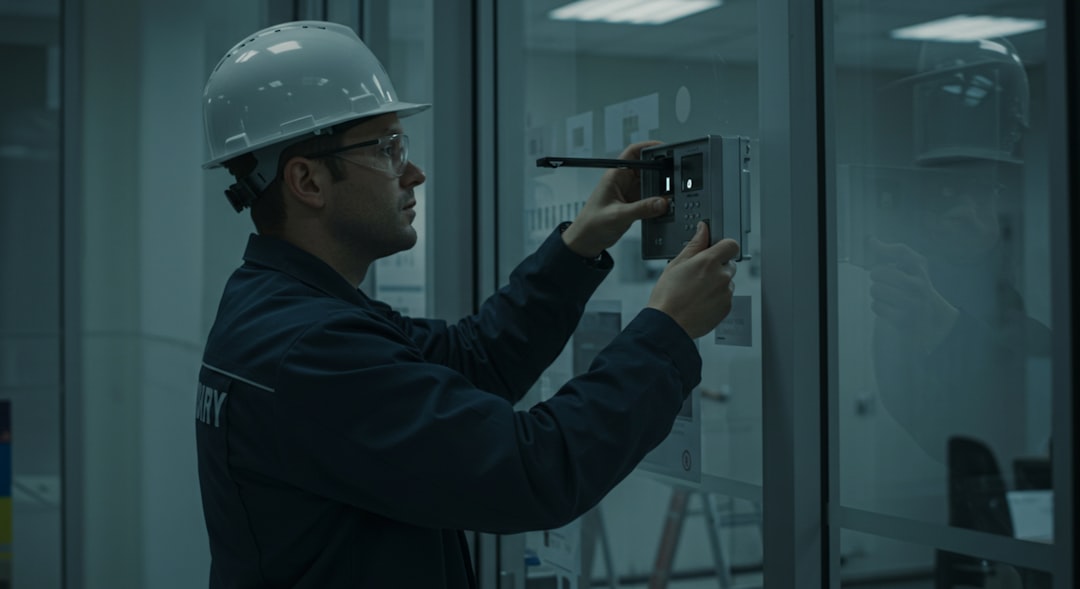
Defect detection: AI models, trained on vast datasets of both perfect and defective products, can identify anomalies like scratches, dents, misalignments, discoloration, or missing components with incredible accuracy. These systems can process images or video feeds in real-time, flagging issues instantly.
-
Consistency: Unlike human inspectors whose judgment might vary, an AI system applies the same criteria consistently, ensuring uniform quality standards across all products.
-
Speed and scale: AI can inspect hundreds or thousands of items per minute, far exceeding human capabilities, allowing for 100% inspection rather than just sampling.
From automotive parts to electronic components and even food packaging, AI vision systems are becoming indispensable.
Predictive quality: stopping problems before they start
Traditional quality control is often reactive – identifying defects after they’ve occurred. AI, with its predictive capabilities, shifts this paradigm to a proactive approach. By analyzing data from various stages of the production process, AI can predict potential quality issues before they even manifest.
-
Sensor data analysis: AI algorithms can monitor data from sensors on machinery – temperature, pressure, vibration, humidity, material flow – to detect subtle deviations that might indicate an impending fault or a process drift leading to defects.

-
Process optimization: By identifying correlations between process parameters and product quality, AI can recommend adjustments to optimize settings, ensuring consistent output and minimizing waste.
-
Predictive maintenance: Beyond product quality, AI can predict when machinery is likely to fail, allowing for maintenance to be scheduled proactively, preventing breakdowns that could halt production and compromise quality.

This proactive approach not only saves costs associated with rework and scrap but also maintains higher customer satisfaction by preventing defective products from reaching the market.
Beyond the factory floor: AI in supply chain quality
Quality control isn’t just about the final product; it extends throughout the entire supply chain. AI can play a crucial role in ensuring the quality of raw materials and components, which directly impacts the quality of the finished good.
-
Supplier quality assessment: AI can analyze historical data from suppliers, including defect rates, delivery performance, and audit results, to provide a more accurate and objective assessment of supplier reliability.
-
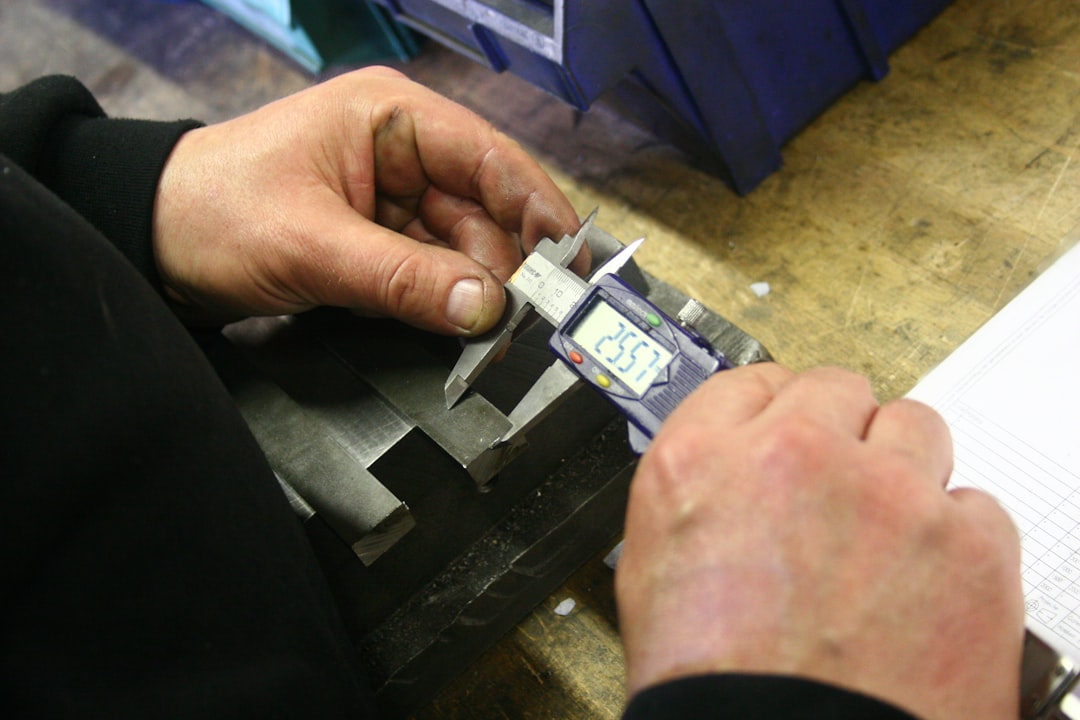
Material inspection: Upon arrival, AI-powered systems can inspect incoming raw materials for compliance with specifications, identifying inconsistencies or defects before they enter the production line.
-
Traceability and recall management: AI can enhance traceability by linking product batches to specific raw material lots and production parameters, making it faster and more efficient to identify the root cause of issues and manage recalls if necessary.
A practical path forward for smarter quality
Integrating AI into quality control isn’t about a complete overhaul overnight; it’s a strategic evolution. For businesses looking to leverage this powerful technology, a phased approach often works best:
-
Identify pain points: Start by pinpointing areas where traditional QC struggles most – high defect rates, repetitive tasks, or bottlenecks.
-
Pilot projects: Begin with small, manageable pilot projects. For instance, implement an AI visual inspection system for a specific product line or a predictive model for a critical machine.

-
Data is key: Ensure you have access to clean, labeled data. High-quality data is the fuel for effective AI models.
-
Collaborate and train: Work with AI experts and train your existing QC teams. AI is a tool that empowers human operators, not replaces them.
AI is not just a futuristic concept; it’s a present-day solution revolutionizing how industries maintain and elevate their quality standards. By embracing AI, companies can achieve unparalleled precision, reduce waste, cut costs, and ultimately deliver superior products to their customers, solidifying their reputation in a competitive market. The future of quality control is intelligent, and it’s here.



Leave a Comment