

In today’s fast-paced world, knowledge is power – especially within teams and organizations. But simply having information isn’t enough; the real challenge lies in effectively sharing it, making it accessible, and ensuring it contributes to collective growth. This is where AI tools for knowledge sharing step in, transforming how we capture, organize, and disseminate information. At TechDecoded, we believe in making complex tech practical, and AI’s role in supercharging knowledge exchange is a prime example.

The challenge of traditional knowledge sharing
For years, knowledge sharing has been a mix of scattered documents, endless email threads, and the occasional “ask the expert” approach. This often leads to:
- Information silos: Valuable insights trapped within individual departments or even single employees.
- Redundant efforts: Teams unknowingly recreating work that already exists elsewhere.
- Slow onboarding: New hires struggling to find essential information quickly.
- Lost institutional knowledge: Critical information walking out the door when employees leave.
These challenges hinder productivity, stifle innovation, and ultimately impact an organization’s bottom line. The good news? AI offers powerful solutions.

How AI transforms knowledge sharing
Artificial intelligence isn’t just about fancy algorithms; it’s about making information smarter and more accessible. Here’s how AI is revolutionizing knowledge sharing:
- Automated content organization: AI can automatically tag, categorize, and index vast amounts of data, from documents and presentations to videos and chat logs. This makes information findable, not just stored.
- Intelligent search and discovery: Beyond keyword matching, AI-powered search understands context and intent, surfacing the most relevant information even if the exact words aren’t used.
- Personalized learning paths: AI can analyze an individual’s role, projects, and learning history to recommend relevant content, fostering continuous skill development.
- Content summarization and generation: AI tools can distill lengthy reports into concise summaries or even help generate new content based on existing knowledge, saving valuable time.
- Real-time translation: Breaking down language barriers, AI enables seamless knowledge exchange across global teams.
Key AI tools for effective knowledge sharing
The market is brimming with innovative AI tools designed to enhance knowledge sharing. Here are some categories and examples:
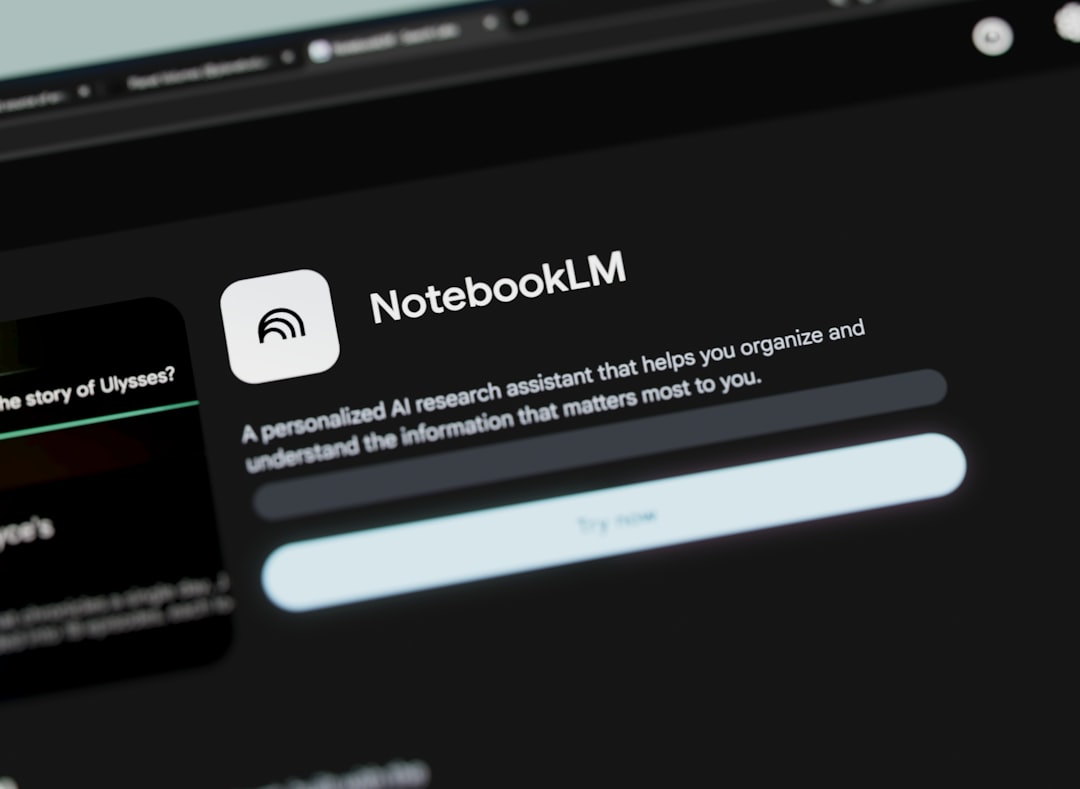
- AI-powered knowledge bases: Platforms like Guru or Notion AI integrate AI to help teams capture, organize, and access information quickly. They often feature intelligent search and content recommendations.
- Smart document management systems: Tools such as OneDrive or Google Drive, enhanced with AI, can automatically categorize files, extract key information, and suggest related documents.
- Collaborative AI assistants: Platforms like Slack or Microsoft Teams are integrating AI bots that can answer common questions, summarize conversations, or retrieve documents on demand.
- Content summarization and Q&A tools: Dedicated AI services can take long articles or meeting transcripts and provide instant summaries or answer specific questions based on the content.
- AI-driven learning platforms: Tools that adapt to individual learning styles and suggest relevant courses or articles from internal knowledge repositories.
Practical applications in the real world
How do these tools translate into tangible benefits for your team? Let’s look at a few scenarios:
- Onboarding new employees: Instead of sifting through binders, new hires can use an AI-powered knowledge base to quickly find answers to common questions, access training materials, and understand company policies.
- Project management: Teams can use AI to quickly find past project documentation, lessons learned, and relevant resources, avoiding pitfalls and accelerating new initiatives.
- Customer support: AI chatbots can handle routine customer inquiries by pulling answers directly from a knowledge base, freeing human agents for more complex issues.
- Research and development: Scientists and engineers can leverage AI to rapidly search through vast amounts of research papers and internal reports, identifying patterns and accelerating discovery.

Choosing the right AI tool for your needs
With so many options, selecting the best AI tool for knowledge sharing requires careful consideration. Here are some factors to keep in mind:
- Integration: Does the tool seamlessly integrate with your existing tech stack (CRM, project management, communication tools)?
- Scalability: Can it grow with your team and handle increasing volumes of information?
- Ease of use: Is the interface intuitive and user-friendly for all team members?
- Security and compliance: Does it meet your organization’s data security and privacy requirements?
- Cost-effectiveness: Does the pricing model align with your budget and offer a clear return on investment?
Start by identifying your biggest knowledge sharing pain points and then look for tools that directly address those challenges.

Empowering your team with smarter knowledge exchange
The future of work is collaborative, informed, and efficient. AI tools for knowledge sharing are not just a technological fad; they are essential enablers for any organization looking to thrive in the digital age. By embracing these intelligent solutions, you can break down silos, accelerate learning, foster innovation, and ultimately empower your team to work smarter, not just harder. Start exploring how AI can transform your knowledge landscape today.



Leave a Comment