

The uncanny mirror: how AI reflects our human blind spots
Artificial intelligence, for all its computational prowess and seemingly objective logic, is not born in a vacuum. It’s a product of human design, human data, and human intentions. This fundamental truth means that as AI systems become more integrated into our lives, they inevitably begin to mirror their creators – including our collective blind spots. At TechDecoded, we believe understanding these inherent biases is crucial for building AI that truly serves humanity.
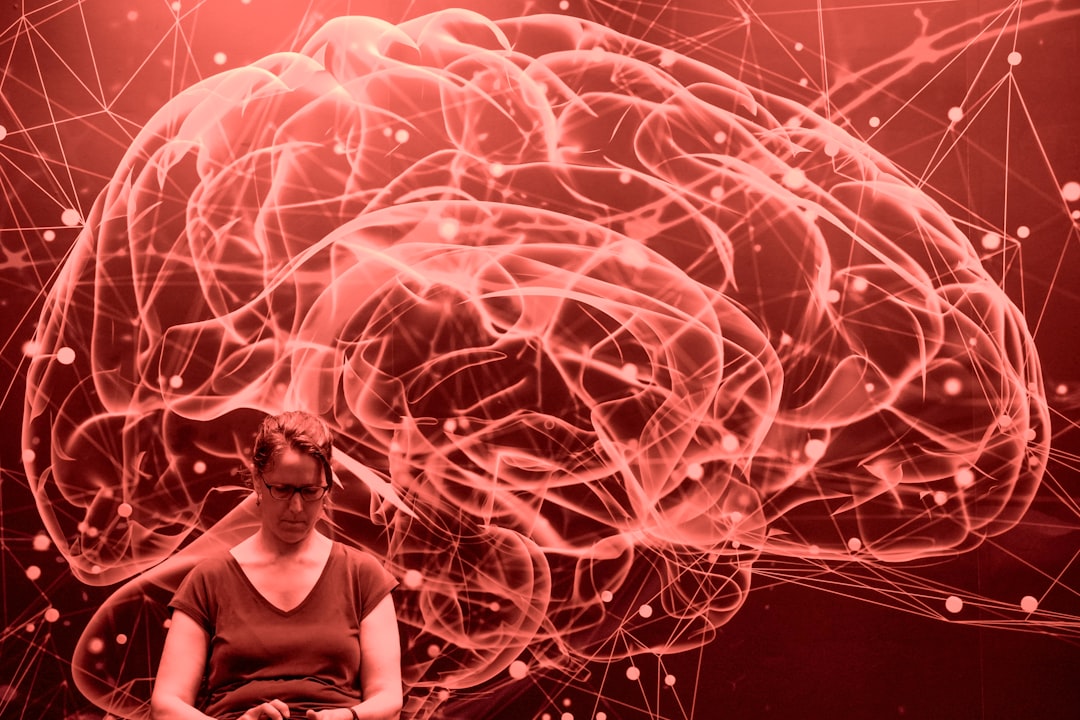
The idea that a machine could inherit human flaws might seem counterintuitive. Aren’t computers supposed to be perfectly rational? The reality is far more complex. AI learns from patterns, and if the data it’s fed contains historical biases, or if the algorithms are designed with unconscious assumptions, those biases become embedded in the AI’s decision-making fabric. This isn’t about malicious intent; it’s about the subtle, often invisible ways our human perspectives shape the technology we create.
Unpacking human blind spots: more than just oversight
Before we delve into how AI inherits these issues, let’s clarify what we mean by ‘human blind spots.’ These aren’t just simple mistakes; they’re systemic biases and cognitive shortcuts that influence our perceptions, judgments, and decisions. They can manifest in several ways:
- Cognitive Biases: These are systematic errors in thinking that occur when people are processing and interpreting information in the world around them. Examples include confirmation bias (seeking information that confirms existing beliefs) or availability heuristic (overestimating the importance of information that is easily recalled).
- Societal and Historical Biases: These are deeply ingrained prejudices and inequalities present in society, often based on race, gender, socioeconomic status, or other demographics. They are reflected in historical data, cultural norms, and institutional practices.
- Data Collection Biases: The way data is collected, what is included or excluded, and how it’s labeled can introduce significant blind spots. If a dataset disproportionately represents one group over another, the AI trained on it will develop a skewed understanding of the world.

The data dilemma: how bias sneaks into AI
The primary conduit for AI to inherit human blind spots is through data. AI models learn by identifying patterns and correlations within vast datasets. If these datasets are flawed, incomplete, or reflect existing societal inequalities, the AI will learn and perpetuate those flaws.
- Historical Data: Many AI applications, especially in areas like hiring, lending, or criminal justice, are trained on historical data. If past decisions were influenced by human biases (e.g., fewer women hired for tech roles), the AI will learn to associate certain demographics with lower suitability, even if those associations are discriminatory.
- Unrepresentative Data: If a dataset lacks sufficient examples of certain groups or situations, the AI will perform poorly or make biased decisions when encountering them. For instance, facial recognition systems trained predominantly on lighter skin tones often struggle with accuracy for darker skin tones.
- Labeling Bias: Human annotators label the data that AI learns from. Their own biases, conscious or unconscious, can influence how data points are categorized, leading the AI to learn those subjective interpretations as objective truths.

Real-world echoes: where biased AI impacts lives
The inheritance of human blind spots by AI is not just a theoretical concern; it has tangible, often detrimental, impacts on real people and critical systems:
- Hiring Algorithms: Some AI tools designed to screen job applicants have shown biases against women or minority candidates, often by penalizing keywords or experiences more common among those groups, simply because historical data showed fewer of them in certain roles.
- Facial Recognition: As mentioned, systems have demonstrated higher error rates for women and people of color, leading to misidentification and potential wrongful accusations, particularly in law enforcement applications.
- Credit Scoring and Loan Applications: AI-powered lending platforms, when trained on biased historical financial data, can inadvertently perpetuate systemic disadvantages, making it harder for certain communities to access credit.
- Healthcare Diagnostics: If medical AI is trained on data primarily from one demographic, it might misdiagnose or provide less effective treatment recommendations for patients from underrepresented groups.


Beyond the code: the challenge of true objectivity
The quest for ‘objective’ AI is a noble but complex one. The very act of defining what constitutes ‘fairness’ or ‘objectivity’ in an algorithm is a human endeavor, fraught with differing ethical perspectives and societal values. There’s no universal, purely mathematical definition of fairness that applies to all contexts. Furthermore, even seemingly neutral design choices – like which features an algorithm prioritizes or how it weighs different outcomes – are ultimately human decisions that can embed subtle biases.
This means that simply trying to remove ‘bad’ data isn’t enough. We must also critically examine the assumptions and values baked into the algorithms themselves and the teams that create them. Building truly equitable AI requires a continuous, iterative process of self-reflection, diverse input, and a commitment to understanding the societal context in which these powerful tools operate.

Forging a path to more conscious AI
Addressing AI’s inherited blind spots isn’t a one-time fix; it’s an ongoing commitment. As we at TechDecoded explore the future of AI, we advocate for a multi-faceted approach to building more responsible and equitable systems:
- Diverse Development Teams: Bringing together individuals from varied backgrounds, cultures, and perspectives helps identify and mitigate biases early in the design and development process.
- Bias Detection and Mitigation Tools: Developing and deploying sophisticated tools to proactively identify and quantify biases within datasets and algorithmic outputs.
- Explainable AI (XAI): Creating AI systems whose decisions can be understood and interpreted by humans, allowing for greater transparency and accountability when biases emerge.
- Continuous Monitoring and Auditing: Regularly evaluating AI systems in real-world scenarios to detect emergent biases and ensure fair performance across all user groups.
- Ethical Guidelines and Regulations: Establishing clear ethical frameworks and regulatory standards that mandate fairness, transparency, and accountability in AI development and deployment.
- Public Education and Engagement: Fostering a more informed public discourse about AI’s capabilities and limitations, empowering users to critically evaluate the AI systems they interact with.
By consciously acknowledging and actively working to overcome these inherited blind spots, we can steer AI development towards a future where technology truly empowers everyone, reflecting our best intentions rather than our unconscious flaws.





Leave a Comment