

The quiet death of the smartphone: Your digital life beyond 2026
For over a decade, the smartphone has been the undisputed king of our digital lives. From ordering groceries to connecting with loved ones, managing work, and consuming endless entertainment, it’s been the central hub. But what if we told you its reign is quietly coming to an end? Not with a bang, but with a gradual, almost imperceptible shift towards a more integrated, ambient, and less screen-dependent digital existence. By 2026, your phone might still be in your pocket, but it won’t be the sole, or even primary, gateway to your digital world. 
The smartphone’s undeniable reign (until now)
Remember life before smartphones? It feels like a distant memory. These pocket-sized supercomputers revolutionized everything. They put the internet, a camera, a music player, a GPS, and a communication device all into one sleek slab of glass and metal. Apps proliferated, creating entire ecosystems around our devices. We became accustomed to instant information, constant connection, and the satisfying glow of a notification. 
However, this dominance comes with a cost: constant attention, screen fatigue, and the feeling of being tethered to a device. As technology evolves, its limitations become more apparent. The need for a dedicated screen for every interaction is starting to feel clunky and inefficient in a world craving seamlessness.
The silent revolution: Ambient computing and AI
Enter ambient computing. This isn’t about replacing your phone with another gadget; it’s about technology fading into the background, becoming an invisible layer that anticipates your needs and provides information or services proactively. Artificial intelligence is the engine driving this shift. Instead of you constantly interacting with a device, the environment itself becomes intelligent.
- Smart homes: Your thermostat adjusts before you ask, your lights dim as evening approaches, and your fridge reorders milk when it’s low.
- Voice assistants: Beyond simple commands, these assistants are becoming more context-aware, understanding nuances and performing complex tasks across devices.
- Context-aware devices: Imagine your car suggesting the fastest route based on real-time traffic and your calendar, or your smart speaker playing your favorite podcast as you walk into the kitchen.
The goal is to make technology disappear, leaving you with the benefits without the constant interaction. 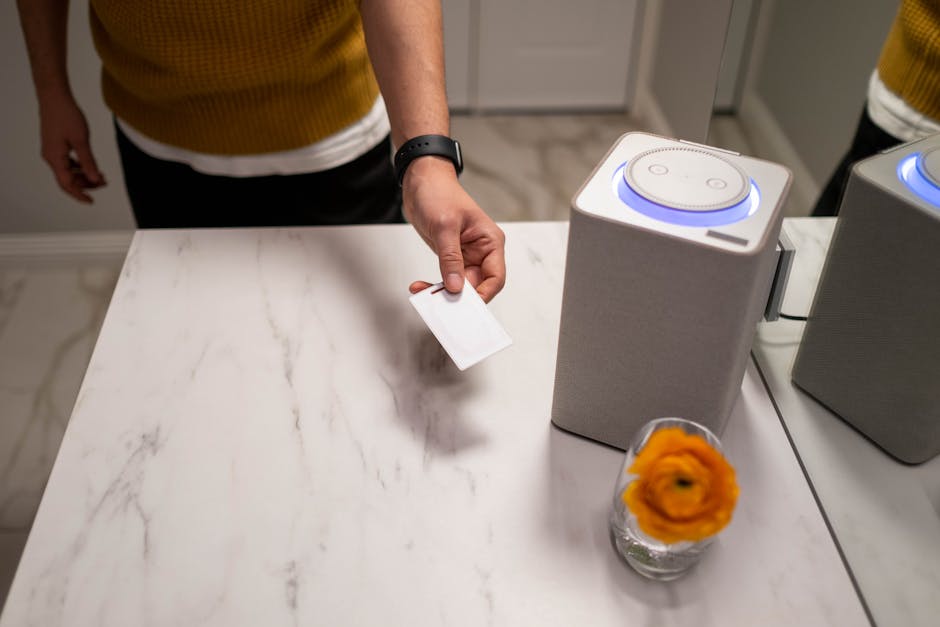
Beyond the pocket: Wearables and augmented reality
While ambient computing handles the environment, personal interaction is moving to more integrated, less intrusive devices. Wearables are already a significant step in this direction:
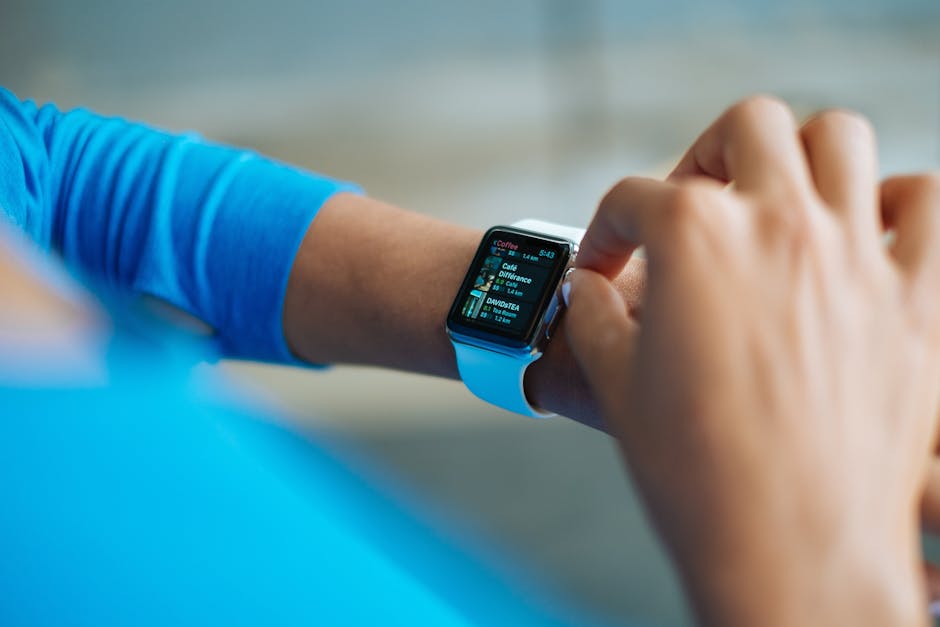
- Smartwatches: Offering quick glances at notifications, health tracking, and even making payments without pulling out your phone.
- Smart rings and hearables: Providing discrete interactions, biometric data, and audio experiences that blend seamlessly into your day.
The real game-changer, however, is augmented reality (AR). AR glasses, still in their early stages, promise to overlay digital information directly onto your view of the real world. Imagine navigating a new city with directions projected onto the street, identifying plants in a park with a glance, or having a video call where the other person appears to be sitting across from you. This moves information from a separate screen into your immediate reality, making the smartphone’s display feel redundant for many tasks. 
Shifting paradigms: Context over clicks
The core of this transition is a shift from “clicks” to “context.” Today, we actively search, tap, and swipe to get information. In the future, AI-powered systems will understand our context – where we are, what we’re doing, who we’re with, and even our emotional state – to deliver relevant information and services proactively. 
This means less time spent scrolling and more time experiencing. Your digital assistant might remind you about an upcoming appointment just as you’re leaving the house, or suggest a restaurant based on your current location and dietary preferences, all without you ever touching a screen. The phone becomes a powerful processor and data hub, but not the primary interface.
What does this mean for your daily digital life?
The implications are profound. We can expect:
- Less screen time: As information becomes more ambient and integrated, the need to stare at a phone screen for every task diminishes.
- More natural interactions: Voice, gestures, and even thoughts (via brain-computer interfaces, further down the line) will become primary modes of interaction.
- Enhanced real-world experiences: AR will enrich our perception of reality, blending digital and physical worlds seamlessly.

- New privacy considerations: With more data being collected from our environment and wearables, understanding and controlling our digital footprint will be more critical than ever.
This isn’t about technology disappearing entirely, but about it becoming so integrated and intuitive that it feels like magic, rather than a demanding device.
Embracing the decentralized digital future
The smartphone isn’t dying in the sense of ceasing to exist, but its role as the singular center of our digital universe is fading. By 2026, we’ll be interacting with a distributed network of intelligent devices, each serving a specific purpose, all orchestrated by powerful AI. Your phone will likely evolve into a powerful, personal server or a specialized tool, rather than the all-encompassing portal it is today.
For us at TechDecoded, this future is exciting. It promises a more human-centric relationship with technology, one where our tools serve us more effectively and less intrusively. Understanding these trends now is key to navigating the decentralized digital future effectively. 




Leave a Comment