
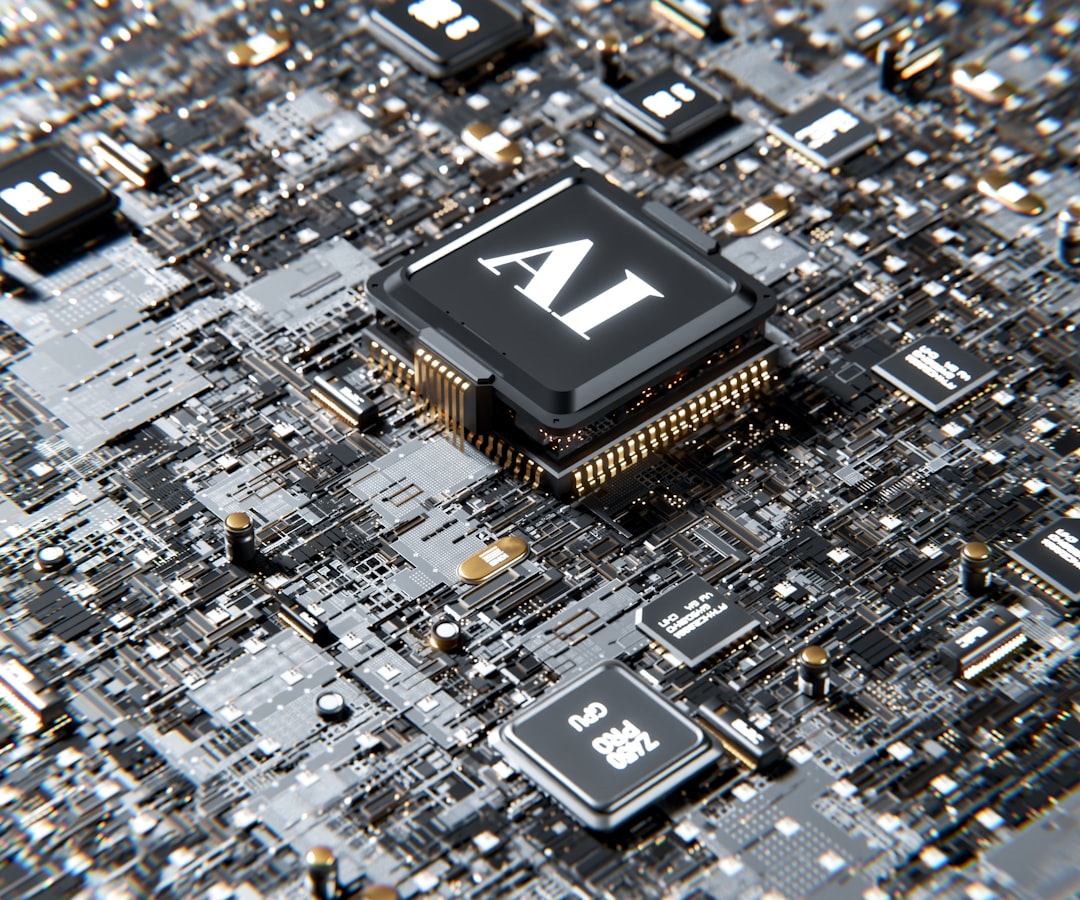

The critical role of AI in modern reliability
In today’s fast-paced, interconnected world, reliability isn’t just a desirable trait; it’s a fundamental necessity. From the smart devices in our pockets to the complex industrial machinery powering our economies, we depend on systems that work consistently and without failure. Unplanned downtime, defects, or operational glitches can lead to significant financial losses, reputational damage, and even safety hazards. This is where Artificial Intelligence (AI) steps in, offering powerful new ways to predict, prevent, and mitigate issues before they escalate, fundamentally transforming how we approach reliability.
AI’s ability to process vast amounts of data, identify subtle patterns, and make informed decisions far surpasses human capabilities in many contexts. By leveraging machine learning, deep learning, and advanced analytics, AI tools can provide unprecedented insights into system health, performance, and potential vulnerabilities. 
Predictive maintenance: anticipating failures before they happen
One of the most impactful applications of AI in reliability is predictive maintenance. Traditionally, maintenance was either reactive (fixing things after they broke) or preventive (scheduled maintenance, often leading to unnecessary part replacements). AI shifts this paradigm by using data from sensors, operational logs, and historical records to forecast when equipment is likely to fail.
- Sensor data analysis: AI algorithms analyze real-time data from temperature, vibration, pressure, and acoustic sensors on machinery.
- Pattern recognition: Machine learning models learn normal operating patterns and detect anomalies that indicate impending failure.
- Optimized scheduling: Maintenance can be scheduled precisely when needed, minimizing downtime and maximizing asset lifespan.
This proactive approach not only prevents costly breakdowns but also optimizes resource allocation, ensuring that maintenance efforts are focused where they are most needed. 
Enhanced quality control: AI spotting defects with precision
Maintaining high product quality is paramount for any business. AI is revolutionizing quality control by automating inspection processes and identifying defects with greater speed and accuracy than human inspectors. Computer vision, a branch of AI, is particularly effective here.
- Automated visual inspection: AI-powered cameras can scan products on an assembly line, identifying microscopic flaws, misalignments, or surface imperfections.
- Consistent standards: AI ensures uniform quality checks, eliminating human error or fatigue.
- Real-time feedback: Defects can be caught early in the production process, allowing for immediate adjustments and reducing waste.
From manufacturing intricate electronic components to inspecting food products, AI ensures that only the highest quality items reach the market, bolstering brand reputation and customer satisfaction. 
Optimizing supply chains for resilient operations
A reliable product or service often depends on a reliable supply chain. AI plays a crucial role in building more resilient and efficient supply chains, capable of withstanding disruptions and ensuring timely delivery.
- Demand forecasting: AI analyzes historical sales data, market trends, and external factors to predict future demand with higher accuracy, preventing stockouts or overstock.
- Route optimization: AI algorithms can determine the most efficient delivery routes, considering traffic, weather, and vehicle capacity, reducing delays and fuel consumption.
- Risk assessment: AI monitors global events, supplier performance, and logistics networks to identify potential bottlenecks or risks before they impact operations.
By making supply chains more predictable and adaptable, AI directly contributes to the overall reliability of businesses and their ability to deliver on promises. 
Risk management and anomaly detection: AI safeguarding systems
Beyond physical assets, AI is invaluable in safeguarding digital systems and complex operational environments through advanced risk management and anomaly detection. This is particularly critical in cybersecurity and financial services.
- Cybersecurity: AI monitors network traffic and user behavior to detect unusual patterns that could indicate a cyberattack or data breach, often in real-time.
- Fraud detection: In banking and e-commerce, AI analyzes transaction data to identify fraudulent activities, protecting both businesses and consumers.
- Operational anomaly detection: In critical infrastructure like power grids or telecommunications, AI can spot subtle deviations from normal operation that might signal an impending system failure or security threat.
AI acts as an always-vigilant guardian, identifying and flagging risks that might otherwise go unnoticed until it’s too late. 
Autonomous systems and safety: AI in critical operations
As we move towards more autonomous systems, from self-driving cars to robotic manufacturing, AI is at the core of ensuring their safety and reliability. These systems must operate flawlessly in dynamic and unpredictable environments.
- Real-time decision-making: AI enables autonomous vehicles to perceive their surroundings, predict actions of other agents, and make safe driving decisions instantly.
- Fault tolerance: AI can be designed to identify internal malfunctions and either compensate for them or safely bring the system to a halt.
- Continuous learning: Autonomous systems powered by AI can learn from new experiences and data, continuously improving their reliability and safety over time.
The reliability of AI in these critical applications is not just about efficiency; it’s about protecting lives and ensuring the smooth functioning of essential services. 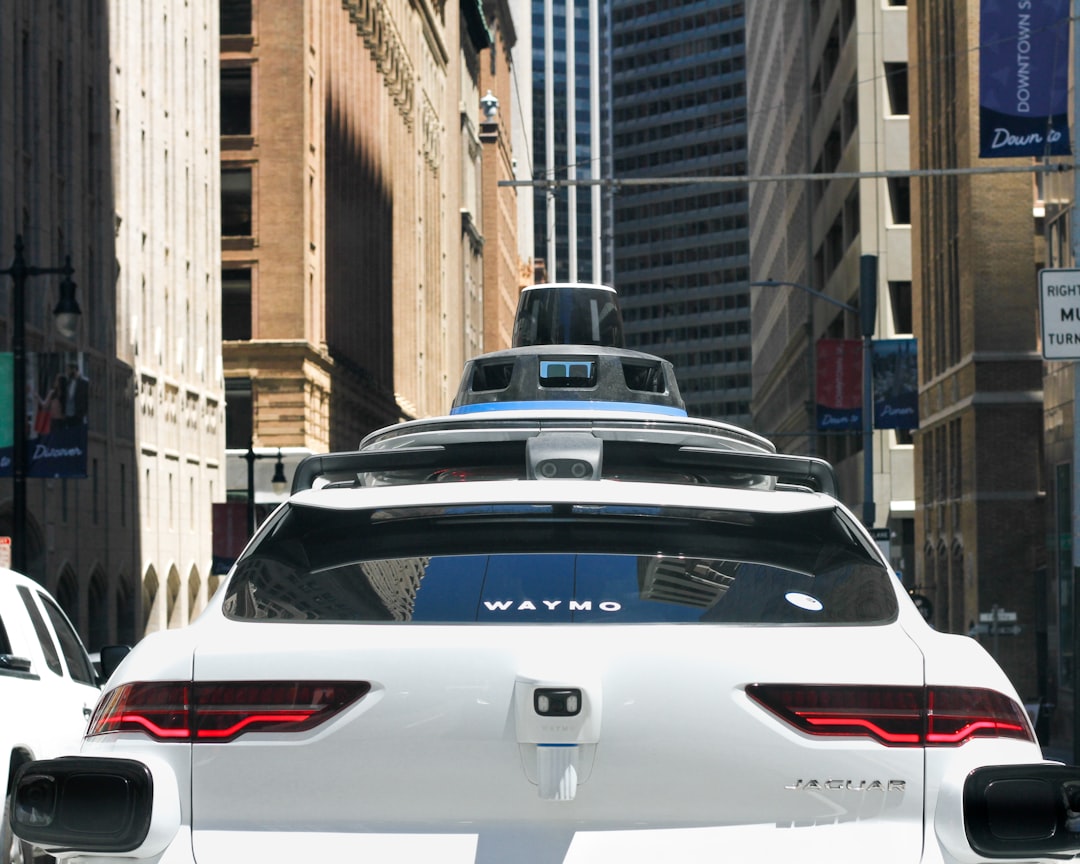
A practical path forward for enhanced reliability
The integration of AI into reliability strategies is no longer a futuristic concept; it’s a present-day imperative. For organizations looking to enhance their operational stability, product quality, and overall trustworthiness, embracing AI is a clear path forward. Starting with pilot projects in areas like predictive maintenance or automated quality control can demonstrate immediate value and build internal expertise. The journey towards AI-driven reliability is one of continuous improvement, data integration, and strategic investment, promising a future where systems are not just functional, but consistently dependable. 


Leave a Comment