


The AI hype cycle: A familiar pattern
Artificial intelligence is everywhere. From sci-fi blockbusters to daily news headlines, the narrative often paints a picture of a future transformed by super-intelligent machines. We’re told AI will solve humanity’s greatest problems, automate every tedious task, and usher in an era of unprecedented prosperity. While the progress in AI is undeniably impressive, this relentless hype is setting many people up for a significant letdown. 
At TechDecoded, we believe in understanding technology clearly and practically. And from that perspective, it’s crucial to examine why the grand promises of AI might not align with the reality many will experience.
Unrealistic expectations versus practical reality
One of the biggest drivers of future disappointment is the chasm between public perception and the current capabilities of AI. Media often sensationalizes breakthroughs, focusing on the most advanced research labs while overlooking the practical challenges of deployment. 
- The “general AI” myth: Many imagine AI as a sentient, all-knowing entity. In reality, most AI today is “narrow AI,” excelling at specific tasks like image recognition, language translation, or playing chess, but lacking broader understanding or common sense.
- Overstated capabilities: Headlines might declare AI can “write novels” or “diagnose diseases,” but the nuance is often lost. AI-generated text often lacks true creativity, and medical AI still requires significant human oversight and validation.
The “last mile” problem: From lab to real world
Developing a groundbreaking AI model in a controlled environment is one thing; integrating it seamlessly and effectively into the messy, unpredictable real world is another entirely. This is often referred to as the “last mile” problem in technology. 
- Integration complexities: Existing legacy systems, data silos, and the need for robust security measures make deploying AI solutions far more challenging than simply plugging in a new algorithm.
- Data quality and bias: AI models are only as good as the data they’re trained on. Real-world data is often incomplete, biased, or inconsistent, leading to flawed outcomes when AI is applied without careful curation and continuous monitoring.

- Human-AI collaboration: True value often comes from AI augmenting human capabilities, not replacing them. Designing effective human-AI interfaces and workflows is a complex socio-technical challenge that’s often underestimated.
Ethical dilemmas and societal friction
Beyond technical hurdles, the rapid advancement of AI brings a host of ethical and societal questions that are far from resolved. These issues can slow adoption, create public distrust, and lead to regulatory roadblocks, all contributing to a sense of disappointment when AI doesn’t deliver on utopian promises. 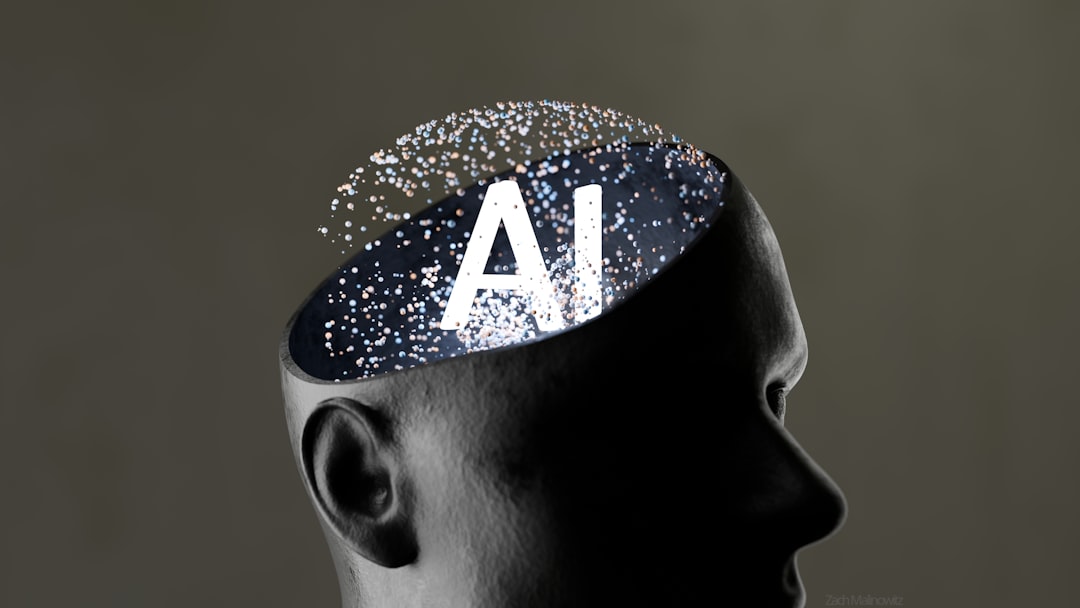
- Job displacement concerns: While AI creates new jobs, it also automates others, leading to anxieties about widespread unemployment and the need for massive workforce retraining.
- Bias and fairness: AI systems can perpetuate and even amplify existing societal biases if not carefully designed and monitored, leading to unfair outcomes in areas like hiring, lending, or criminal justice.
- Privacy and surveillance: The ability of AI to process vast amounts of personal data raises significant privacy concerns, leading to calls for stricter regulations and limiting its application.
The cost of cutting-edge AI
Another often overlooked factor is the sheer cost associated with developing, deploying, and maintaining advanced AI systems. While open-source tools are making AI more accessible, truly cutting-edge, custom AI solutions remain incredibly expensive. 
- Computational power: Training large language models or complex neural networks requires immense computational resources, often involving specialized hardware and cloud infrastructure.
- Talent scarcity: Expert AI engineers, data scientists, and ethicists are in high demand and command premium salaries, adding significantly to development costs.
- Maintenance and updates: AI models are not “set it and forget it.” They require continuous monitoring, retraining, and updates to remain effective and relevant, incurring ongoing operational expenses.
Embracing a pragmatic view of AI’s evolution
Instead of chasing unrealistic visions of AI, a more pragmatic and informed perspective can help us appreciate its true value and avoid widespread disappointment. AI is a powerful tool, but it’s a tool that requires careful application, ethical consideration, and a clear understanding of its limitations. 
By focusing on incremental improvements, solving specific problems, and fostering responsible development, we can harness AI’s potential without falling victim to the hype cycle. The real magic of AI often lies not in grand, sweeping transformations, but in the subtle, practical ways it enhances our lives and work every day.


1 Comment