


The new frontier of procurement: AI’s impact
Artificial intelligence is no longer a futuristic concept; it’s a present-day reality rapidly integrating into every facet of business operations. From automating mundane tasks to powering complex decision-making, AI tools are reshaping how companies function. This profound shift isn’t just impacting engineering or marketing departments; it’s fundamentally transforming the often-overlooked world of procurement. Gone are the days when procurement was solely about cost-cutting and supplier management for tangible goods. Today, businesses are grappling with the complexities of acquiring sophisticated AI software, platforms, and services, leading to the emergence of highly specialized AI procurement roles.

These new roles are critical for ensuring that organizations not only invest wisely in AI but also navigate the intricate landscape of ethical considerations, data privacy, vendor lock-in, and rapid technological evolution. It’s a strategic shift from simply buying technology to strategically acquiring intelligence.
What exactly are AI procurement roles?
At its core, an AI procurement role involves the strategic sourcing, evaluation, negotiation, and management of artificial intelligence technologies and services. Unlike traditional IT procurement, which might focus on hardware or standard software licenses, AI procurement delves into a much deeper and more nuanced understanding of the technology itself. Professionals in these roles need to bridge the gap between technical AI teams, legal departments, and business stakeholders.
- Vendor evaluation: Assessing AI solutions not just on price, but on their technical capabilities, scalability, ethical implications, data security, and alignment with business goals.
- Contract negotiation: Crafting agreements that account for unique AI challenges, such as intellectual property rights for models, data usage policies, performance metrics for algorithms, and future upgrade paths.
- Risk management: Identifying and mitigating risks associated with AI, including bias, regulatory compliance, data breaches, and the potential for vendor lock-in.
- Strategic alignment: Ensuring that AI investments support the company’s broader strategic objectives and deliver measurable value.
- Ethical oversight: Working with legal and compliance teams to ensure AI solutions adhere to emerging ethical guidelines and responsible AI principles.

Why the sudden demand? Driving forces behind the shift
The rapid proliferation and increasing sophistication of AI tools are the primary catalysts for this demand. As more companies adopt AI, they quickly realize that traditional procurement methods are insufficient. Here are some key drivers:
- Complexity of AI solutions: AI is not a one-size-fits-all product. It involves intricate algorithms, vast datasets, and often requires significant integration efforts. Understanding these nuances is crucial for effective procurement.
- Rapid innovation cycle: The AI landscape evolves at an astonishing pace. Procurement professionals need to stay abreast of the latest advancements, identify emerging technologies, and anticipate future needs.
- Ethical and regulatory concerns: AI introduces new ethical dilemmas (e.g., bias, transparency) and a rapidly developing regulatory environment (e.g., GDPR, AI Act). Procurement must ensure compliance and responsible sourcing.
- Data governance and security: AI systems are data-hungry. Procuring AI means also procuring solutions that handle sensitive data securely and in compliance with privacy laws.
- Cost optimization and ROI: AI investments can be substantial. Specialized procurement ensures that these investments deliver tangible returns and are optimized for long-term value, not just initial cost.

Essential skills for the modern AI procurement specialist
The ideal AI procurement professional is a hybrid talent, possessing a unique blend of technical understanding, business acumen, and legal foresight. Here are some critical skills:
- Foundational AI knowledge: Understanding core AI concepts like machine learning, natural language processing, computer vision, and deep learning, even if not at an engineering level.
- Legal and ethical AI frameworks: Familiarity with data privacy laws, intellectual property rights related to AI models, and emerging ethical AI guidelines.
- Vendor management and negotiation: Advanced negotiation skills tailored to complex, often bespoke AI solutions and long-term partnerships.
- Data governance and security expertise: A strong grasp of data handling best practices, cybersecurity principles, and compliance requirements.
- Strategic thinking and business acumen: The ability to align AI procurement with overall business strategy and articulate the value proposition of AI investments to non-technical stakeholders.
- Risk assessment: Proficiency in identifying, evaluating, and mitigating technical, ethical, and operational risks associated with AI technologies.

Navigating the challenges and seizing opportunities
While the rise of AI procurement roles presents immense opportunities, it also comes with its share of challenges. One significant hurdle is the scarcity of talent with the required multidisciplinary expertise. Companies often struggle to find individuals who can speak the language of both technology and business, while also understanding legal and ethical implications.
However, for those organizations that successfully integrate these roles, the opportunities are vast:
- Strategic advantage: Proactive AI procurement can secure cutting-edge technologies, giving companies a significant competitive edge.
- Cost savings and efficiency: Expert negotiation and strategic sourcing can lead to better deals and more efficient deployment of AI resources.
- Innovation acceleration: By understanding the market, AI procurement specialists can identify and onboard innovative solutions faster.
- Risk mitigation: Proactive management of ethical, legal, and security risks protects the company’s reputation and bottom line.
- Improved decision-making: Better-sourced AI tools lead to more reliable data analysis and more informed business decisions.
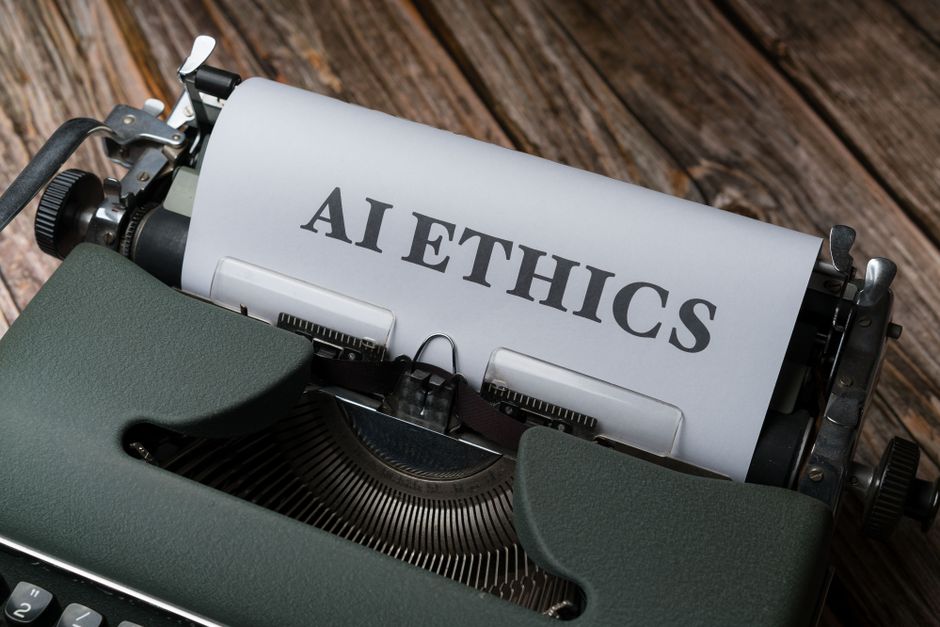
Building a strategic advantage in AI acquisition
The emergence of AI procurement roles is not just a trend; it’s a fundamental evolution in how businesses acquire and leverage technology. For organizations looking to thrive in an AI-driven world, investing in these specialized capabilities is no longer optional. It’s about building a strategic advantage by ensuring that every AI investment is not only technically sound and cost-effective but also ethically responsible and aligned with long-term business goals.
Companies must prioritize upskilling existing procurement teams, recruiting new talent with diverse backgrounds, and fostering collaboration between technical, legal, and business units. By doing so, they can transform the complex challenge of AI acquisition into a powerful engine for innovation and growth.




Leave a Comment