
The persistent challenge of human error
Humans are incredible problem-solvers, innovators, and creators. Yet, we are also inherently prone to making mistakes. Whether it’s a momentary lapse in concentration, fatigue, cognitive bias, or simply the sheer complexity of modern tasks, human error is a constant factor in everything from daily routines to high-stakes operations. These errors can range from minor inconveniences to catastrophic failures, impacting safety, efficiency, and trust.
For centuries, we’ve relied on checklists, training, and double-checking to mitigate these risks. While effective to a degree, these methods often still depend on human vigilance, which itself can falter. This is where artificial intelligence steps in, offering a powerful new layer of defense against the inevitable imperfections of human performance.
At TechDecoded, we believe in understanding technology not just for its complexity, but for its practical impact. Let’s explore how AI is becoming an indispensable partner in reducing human mistakes across various sectors, making our world safer and more reliable.
AI’s precision: A new era of reliability
AI’s ability to process vast amounts of data, identify subtle patterns, and execute tasks with unwavering consistency makes it uniquely suited to complement human capabilities. Unlike humans, AI doesn’t get tired, distracted, or emotional. It follows logic and algorithms, providing an objective lens that can catch errors before they escalate.
The core mechanisms through which AI reduces human error include:
- Pattern Recognition: Identifying anomalies or deviations from expected norms that might indicate an impending error.
- Automation: Taking over repetitive, high-volume, or dangerous tasks, eliminating the chance of human oversight in those specific areas.
- Predictive Analytics: Forecasting potential issues based on historical data, allowing for proactive intervention.
- Real-time Monitoring: Constantly observing processes and alerting humans to potential mistakes as they happen.
AI in action: Real-world error reduction
Healthcare: Enhancing diagnosis and patient safety
In healthcare, the stakes couldn’t be higher. AI is transforming how medical professionals approach diagnosis, treatment, and patient care, significantly reducing the potential for human error.
- Diagnostic Accuracy: AI algorithms can analyze medical images (X-rays, MRIs, CT scans) with incredible speed and precision, often detecting subtle indicators of disease that might be missed by the human eye. This leads to earlier and more accurate diagnoses for conditions like cancer or retinal diseases.
- Medication Management: AI-powered systems can cross-reference patient histories, allergies, and current medications to flag potential drug interactions or incorrect dosages, preventing adverse reactions.
- Surgical Assistance: Robotic surgery, guided by AI, allows for greater precision and minimally invasive procedures, reducing human tremor and fatigue during complex operations.
Manufacturing and quality control: Flawless production
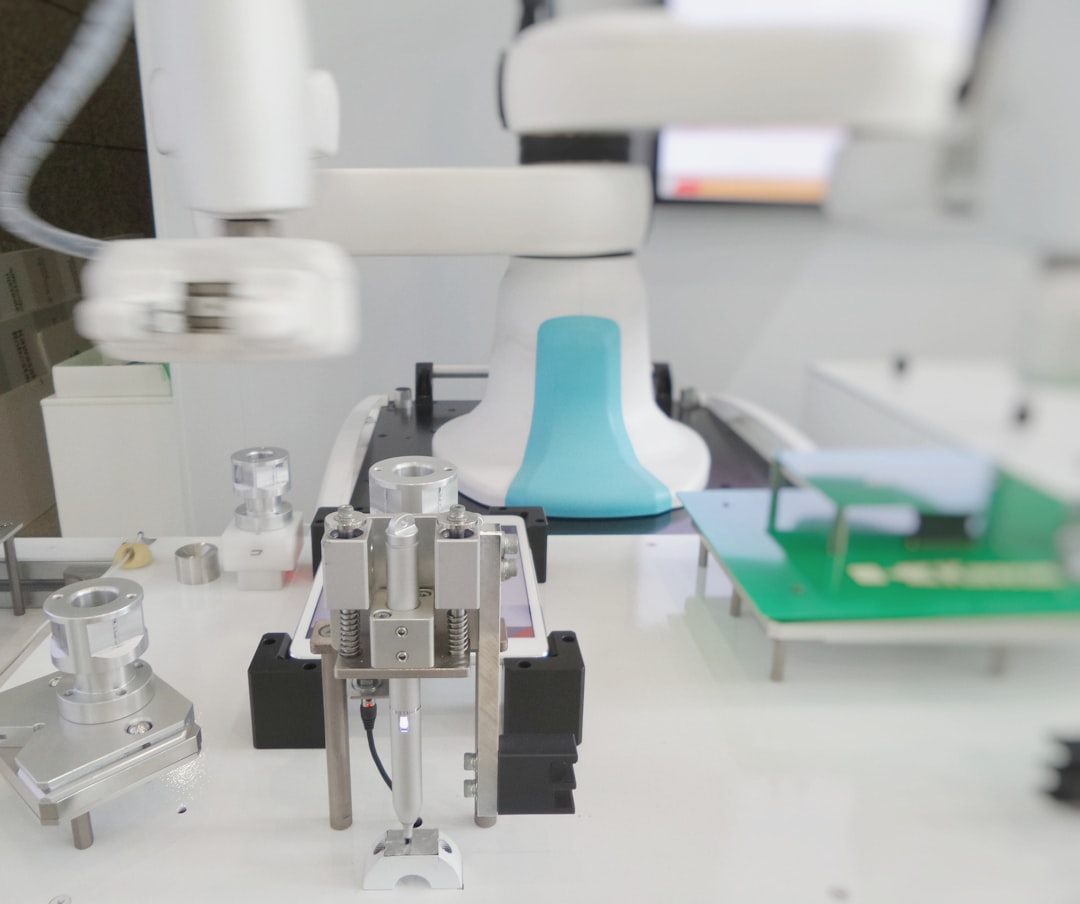
Manufacturing lines are complex, and even small human errors can lead to costly defects, recalls, and safety hazards. AI is revolutionizing quality control and operational efficiency.
- Automated Inspection: AI-powered vision systems can inspect products on an assembly line at speeds and with accuracy impossible for human inspectors, identifying defects, misalignments, or missing components.
- Predictive Maintenance: By analyzing sensor data from machinery, AI can predict when equipment is likely to fail, allowing for proactive maintenance before a breakdown occurs, preventing production errors and costly downtime.
Finance: Battling fraud and ensuring compliance
The financial sector is a prime target for fraud and requires meticulous adherence to regulations. AI is a powerful ally in safeguarding assets and maintaining trust.
- Fraud Detection: AI algorithms analyze transaction patterns in real-time, identifying unusual activities that could indicate fraudulent behavior far more quickly and accurately than human analysts alone.
- Risk Assessment: AI helps financial institutions assess credit risk and investment opportunities by processing vast datasets, reducing human bias and oversight in decision-making.
- Compliance Monitoring: AI can monitor communications and transactions to ensure adherence to regulatory requirements, flagging potential violations.
Transportation: Safer roads and skies
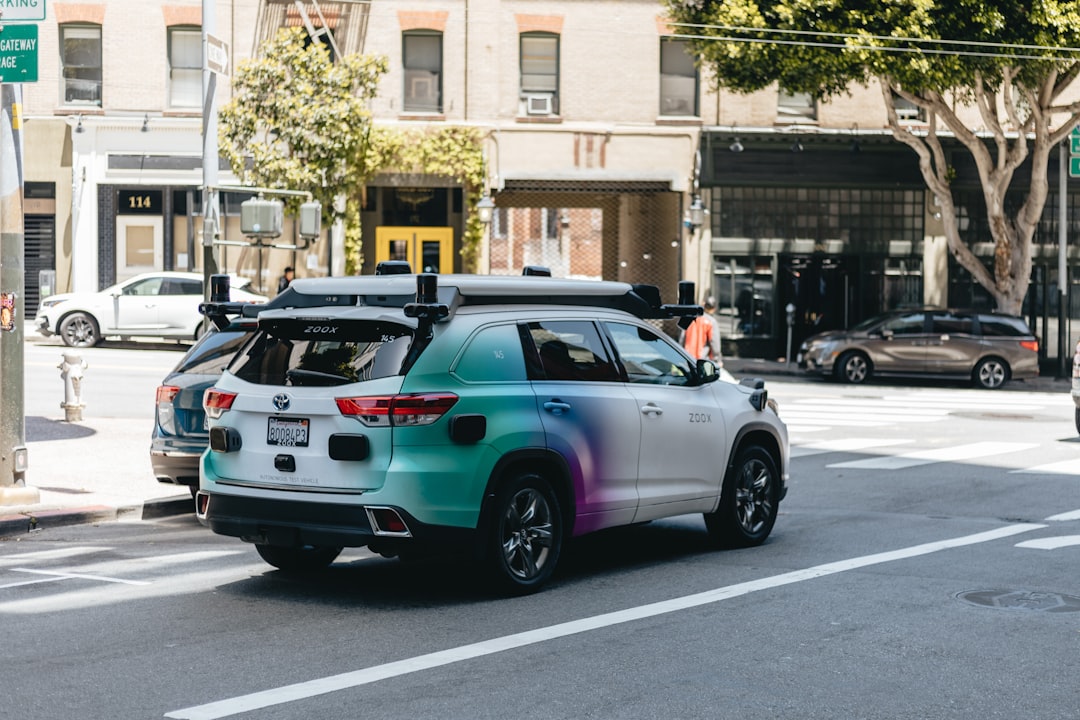
From self-driving cars to air traffic control, AI is making transportation safer by reducing the potential for human error, which is a leading cause of accidents.
- Autonomous Vehicles: Self-driving cars use AI to perceive their environment, make decisions, and navigate, aiming to eliminate human errors like distracted driving, fatigue, or impaired judgment.
- Air Traffic Management: AI systems can assist air traffic controllers by predicting potential conflicts, optimizing flight paths, and providing real-time alerts, reducing the risk of human error in complex airspace.
Data management and administration: Eliminating tedious mistakes
Many administrative tasks involve repetitive data entry and processing, which are ripe for human error. AI offers solutions that boost accuracy and efficiency.
- Automated Data Entry: AI-powered optical character recognition (OCR) and natural language processing (NLP) can extract information from documents and input it into systems with minimal human intervention, drastically reducing transcription errors.
- Error Checking and Validation: AI can automatically validate data against predefined rules or external sources, flagging inconsistencies or incorrect entries before they cause problems.

The human-AI partnership: Smarter, not replaced
It’s crucial to understand that AI isn’t about replacing humans entirely. Instead, it’s about augmenting human capabilities, allowing us to focus on tasks that require creativity, empathy, and complex problem-solving – areas where humans excel. AI acts as a tireless assistant, a vigilant guardian, and a powerful analytical tool, freeing us from the burden of repetitive, error-prone tasks and providing insights that enhance our decision-making.
By offloading the ‘grunt work’ and providing real-time error detection, AI empowers humans to perform at their best, leading to safer environments, more efficient processes, and ultimately, better outcomes for everyone.
Embracing a more reliable future
The integration of AI into our daily lives and industries marks a significant leap forward in our quest for greater reliability and safety. By systematically addressing the root causes of human error, AI is not just preventing mistakes; it’s creating opportunities for innovation, efficiency, and a higher quality of life. As AI continues to evolve, its role in minimizing human error will only expand, paving the way for a future where technology and human ingenuity work hand-in-hand to build a more secure and error-resilient world.
Leave a Comment