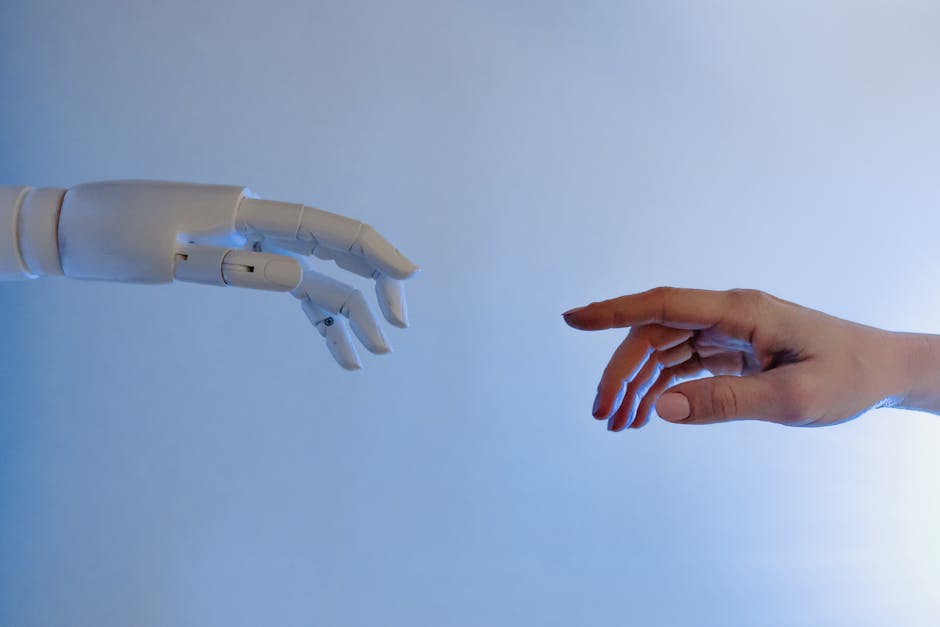

The automation dream meets reality
For years, the promise of mass automation captivated industries worldwide. The vision was clear: robots and algorithms handling repetitive tasks, boosting efficiency, cutting costs, and freeing humans for higher-level work. From assembly lines to customer service chatbots, the drive was to automate everything possible. While this vision delivered significant gains in many sectors, a subtle yet profound shift is now underway. We’re beginning to understand that pure, unadulterated mass automation isn’t always the optimal path, leading to a re-evaluation of how technology best serves humanity.
The limitations of pure automation
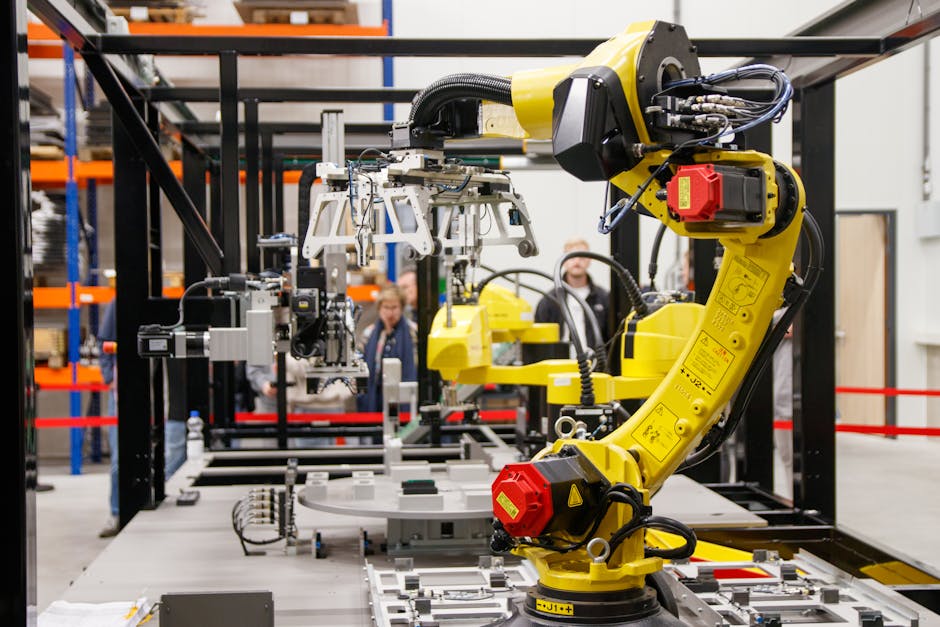
While automation excels at predictable, high-volume tasks, its inherent rigidity often struggles with the messy, unpredictable nature of the real world. Several key limitations have emerged, prompting a rethink:
- Lack of flexibility: Mass automation systems are often designed for specific scenarios. When conditions change, or an unusual request arises, they can falter, leading to frustrating user experiences or costly errors.
- Missing human nuance: Empathy, creativity, critical thinking, and ethical judgment are uniquely human traits. Automated systems, even advanced AI, often struggle to replicate these, especially in complex interactions like customer support or healthcare diagnostics.
- Ethical dilemmas and bias: When automation operates without human oversight, it can perpetuate or even amplify existing biases present in its training data, leading to unfair or discriminatory outcomes.
- Unexpected edge cases: The real world is full of exceptions. A purely automated system might handle 99% of cases perfectly, but the 1% it mishandles can have disproportionately negative impacts, requiring human intervention.
These challenges highlight that while machines are excellent at logic and speed, they often lack the adaptability and understanding that humans bring to the table.
Augmented intelligence: A smarter partnership
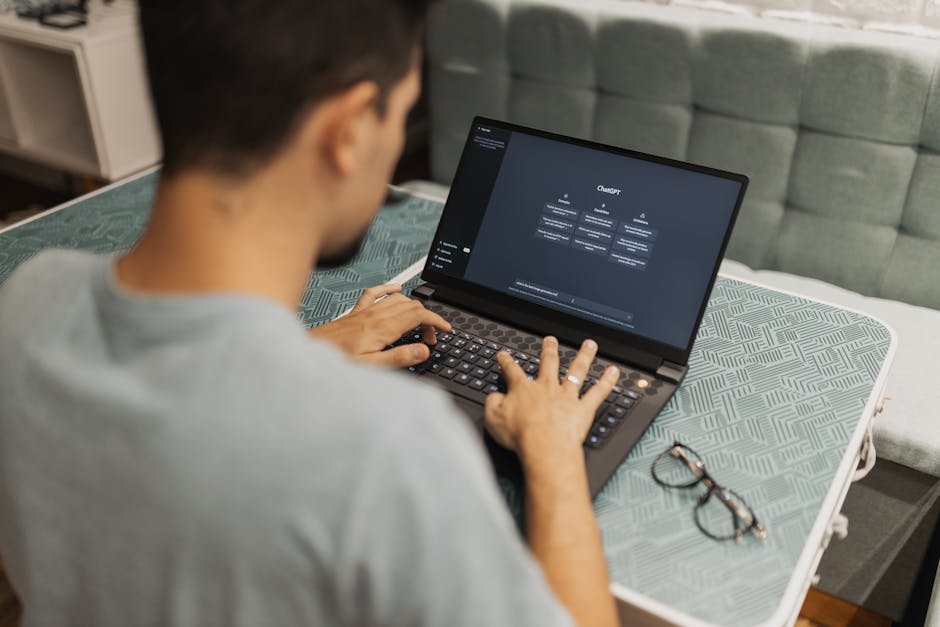
This realization has paved the way for a new paradigm: augmented intelligence. Instead of replacing humans, augmented intelligence focuses on enhancing human capabilities. It’s about creating a symbiotic relationship where AI handles data processing, pattern recognition, and repetitive tasks, while humans provide the creativity, critical thinking, emotional intelligence, and decision-making in complex situations.
Think of it as a co-pilot rather than an autopilot. In fields like medicine, AI can analyze vast amounts of patient data to suggest diagnoses or treatment plans, but a doctor makes the final, nuanced decision. In design, AI can generate countless iterations, but a human designer refines and imbues the final product with artistic vision and user understanding.
From mass production to personalized precision
The shift away from mass automation also reflects a growing demand for personalization. Consumers and businesses alike are moving away from one-size-fits-all solutions. Pure mass automation often struggles to deliver this level of tailored experience efficiently. The future lies in systems that can adapt and personalize their output based on individual needs and preferences.
This means AI-powered tools that learn from individual interactions, offering customized recommendations, content, or services. It’s a move from simply automating a process to intelligently adapting that process to each unique user, often with human oversight to ensure quality and relevance.

Where the shift is happening
This trend is visible across numerous industries:
- Customer Service: While chatbots handle initial queries, complex or sensitive issues are increasingly routed to human agents, often augmented by AI tools that provide relevant information in real-time.
- Healthcare: AI assists in diagnostics and drug discovery, but human doctors and researchers remain central to patient care and ethical decision-making.
- Creative Industries: AI can generate drafts, music, or art, but human artists, writers, and musicians provide the unique voice, emotional depth, and final creative direction.
- Manufacturing: Collaborative robots (cobots) work alongside human workers, handling heavy lifting or repetitive tasks while humans manage intricate assembly and quality control.

New skills for a hybrid future
This evolving landscape doesn’t mean a return to pre-automation days; rather, it signifies an evolution of human roles. The skills most valued in this hybrid future will be those that complement AI: critical thinking, problem-solving, creativity, emotional intelligence, and adaptability. Humans will increasingly become “AI whisperers” – guiding, training, and overseeing intelligent systems to ensure they perform effectively and ethically.
Education and workforce development will need to adapt, focusing on these uniquely human capabilities and the ability to collaborate seamlessly with advanced technological tools.

Embracing a balanced technological future
The slow shift away from pure mass automation isn’t a rejection of technology, but a maturation of our understanding of its best application. It’s a move towards a more balanced, human-centric approach where AI and automation serve to augment, not merely replace. By integrating human judgment, creativity, and empathy with the power of artificial intelligence, we can build more resilient, ethical, and ultimately, more effective systems that truly enhance human lives and work.




Leave a Comment