
Understanding decision fatigue: The modern dilemma
In our fast-paced world, we’re constantly bombarded with choices, from what to eat for breakfast to complex strategic business decisions. This relentless stream of choices can lead to a phenomenon known as decision fatigue – a state of mental exhaustion that impairs our ability to make good judgments. It’s why even simple tasks feel overwhelming after a long day of critical thinking, leading to procrastination, poor choices, and increased stress.
The AI advantage: How it combats decision fatigue
Artificial intelligence isn’t just about robots and self-driving cars; it’s a powerful tool that can significantly alleviate the burden of decision-making. By processing vast amounts of data, identifying patterns, and automating routine tasks, AI can act as a tireless assistant, freeing up our cognitive resources for what truly matters.
- Data analysis and insights: AI algorithms can sift through mountains of information far quicker and more accurately than humans, presenting us with concise, actionable insights instead of raw data.
- Automation of routine tasks: Many daily decisions are repetitive. AI can automate these, from scheduling emails to managing inventory, removing them from our mental plate entirely.
- Personalized recommendations: Based on our preferences and past behaviors, AI can suggest optimal choices, whether it’s a movie to watch or a financial investment strategy.
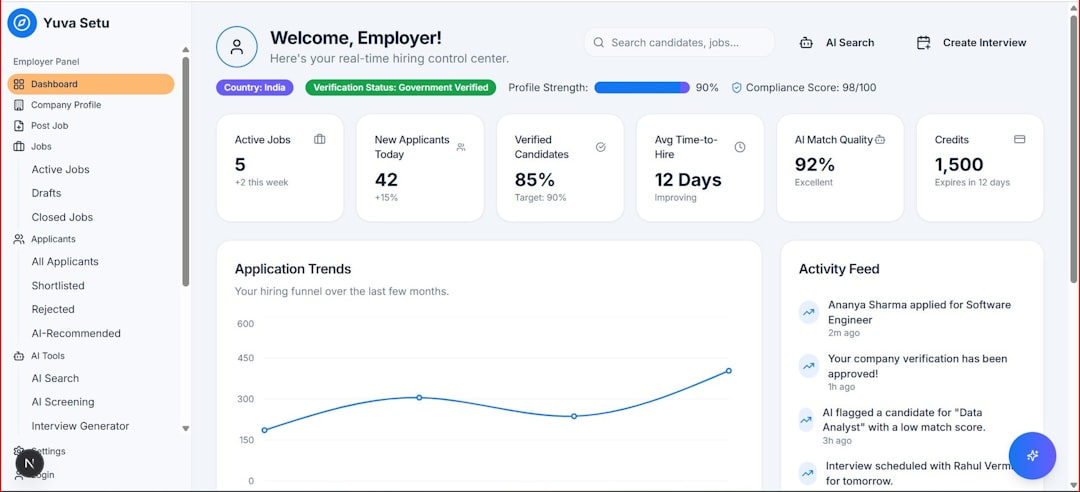
AI in action: Real-world use cases
Let’s explore how AI is already being deployed across various sectors to reduce decision fatigue, making life and work more efficient and less stressful.
Personal productivity and daily life
- Smart scheduling and task management: AI-powered calendars and project management tools can automatically schedule meetings, prioritize tasks, and even suggest optimal times for focused work, considering your habits and deadlines.
- Personalized health and wellness: Wearable tech and AI apps can analyze your sleep patterns, activity levels, and dietary intake to recommend personalized routines, helping you make healthier choices without constant deliberation.
- Content curation: From news feeds to streaming services, AI algorithms learn your preferences, presenting you with content you’re more likely to enjoy, reducing the endless scrolling and decision paralysis.

Professional realm and business operations
- Customer service automation: Chatbots and virtual assistants handle routine customer inquiries, freeing human agents to focus on complex issues that require empathy and critical thinking.
- Marketing and sales optimization: AI analyzes customer data to identify ideal target audiences, personalize marketing messages, and even predict sales trends, reducing the guesswork for marketing teams.
- Inventory and supply chain management: AI predicts demand fluctuations, optimizes stock levels, and streamlines logistics, minimizing the need for manual oversight and reactive decisions.
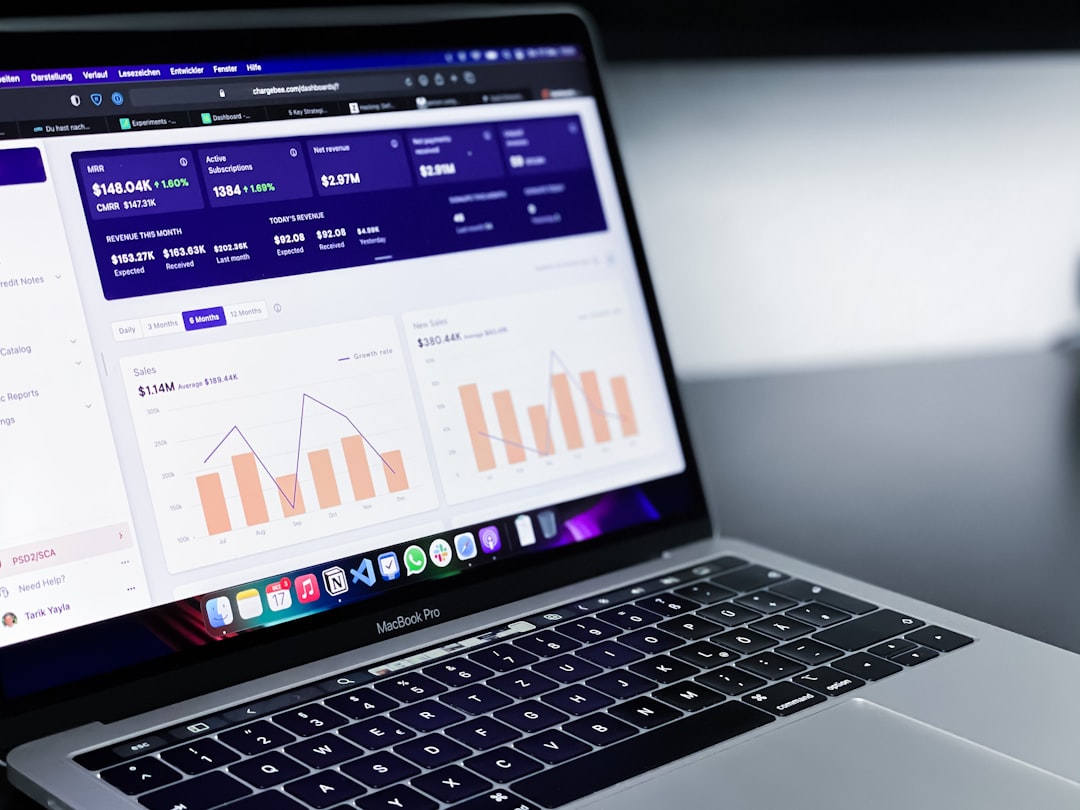
Specialized fields: Healthcare and finance
- Medical diagnosis support: AI can analyze medical images and patient data to assist doctors in identifying diseases earlier and more accurately, reducing diagnostic uncertainty.
- Financial planning and investment: Robo-advisors use AI to manage investment portfolios, offer personalized financial advice, and automate budgeting, helping individuals make informed financial decisions without extensive research.

Beyond automation: The benefits of AI-powered decisions
The impact of AI on decision fatigue extends beyond mere automation. By offloading the cognitive burden, AI empowers us to:
- Improve decision quality: With less fatigue, our remaining decisions are often more thoughtful and strategic.
- Increase creativity and innovation: Free from mundane choices, our minds have more capacity for creative problem-solving and innovation.
- Enhance well-being: Reduced stress and mental exhaustion contribute to a better work-life balance and overall happiness.

Navigating the AI landscape: Considerations for adoption
While the benefits are clear, integrating AI to combat decision fatigue requires thoughtful consideration. It’s crucial to ensure data privacy, understand potential biases in AI algorithms, and maintain human oversight. AI should augment human intelligence, not replace it entirely, ensuring that critical ethical and nuanced decisions remain within human purview.
Unlocking mental clarity with AI
Decision fatigue is a real challenge in our modern lives, but AI offers a powerful antidote. By intelligently automating, analyzing, and recommending, AI tools can significantly lighten our cognitive load, allowing us to focus our energy on more meaningful tasks and make better, more informed decisions with greater ease. Embracing AI isn’t about surrendering control; it’s about strategically leveraging technology to enhance our human capabilities and achieve a clearer, less stressed mind.




1 Comment