

The buzz around AI creativity: A closer look
The rise of artificial intelligence has sparked countless conversations, particularly around its role in creative fields. From generating stunning artwork to composing original music and even writing compelling prose, AI’s capabilities often lead to headlines proclaiming it as the next great ‘creator’. While these achievements are undeniably impressive, they often overshadow a more nuanced and ultimately more powerful truth: AI’s greatest potential lies not in replacing human creators, but in collaborating with them.
At TechDecoded, we believe in demystifying technology and understanding its practical applications. In this opinion piece, we’ll explore why viewing AI as a creative collaborator rather than an independent creator is not just a semantic distinction, but a fundamental shift in how we harness its power for innovation and human expression.

Deconstructing the ‘AI as creator’ myth
When an AI generates a piece of art or a musical composition, it’s easy to attribute ‘creativity’ to the machine itself. However, this perspective often misunderstands the very nature of both human creativity and AI’s operational mechanics. Human creativity stems from a complex interplay of experience, emotion, intuition, cultural context, and a unique ability to connect disparate ideas in novel ways. It’s driven by intent, desire, and a deep understanding of meaning.
AI, on the other hand, operates based on algorithms and vast datasets. It learns patterns, styles, and structures from existing human-created content and then generates new outputs that mimic or combine these learned elements. While the results can be astonishingly original-looking, the ‘intent’ behind them is purely computational – to fulfill a prompt or optimize for a given parameter. It doesn’t feel, imagine, or truly understand in the human sense.
- Pattern recognition: AI excels at identifying and replicating complex patterns.
- Data-driven generation: Outputs are a synthesis of its training data, not genuine inspiration.
- Lack of subjective experience: AI doesn’t possess consciousness, emotions, or personal history.

Defining true collaboration in the age of AI
If AI isn’t a creator, what is it? It’s an incredibly powerful tool, an extension of human capability, and a tireless assistant. True collaboration with AI means leveraging its strengths – its speed, its ability to process vast amounts of information, its capacity for generating variations – to augment human creativity, not diminish it. It’s about a symbiotic relationship where the human provides the vision, the emotional depth, the critical judgment, and the ultimate direction, while AI handles the heavy lifting, the exploration of possibilities, and the execution of repetitive tasks.
Think of it like a skilled artisan using advanced machinery. The machine doesn’t design the intricate pattern or choose the material; the artisan does. But the machine allows the artisan to execute their vision with precision and scale that would be impossible by hand alone.
Practical examples of AI enhancing human creativity
Across various creative disciplines, we’re already seeing incredible examples of AI serving as a powerful collaborator:
-
Writing and content creation
AI writing assistants can help brainstorm ideas, generate outlines, draft initial paragraphs, rephrase sentences, or even check for grammatical errors and style consistency. A human writer still provides the core narrative, the unique voice, and the emotional resonance, using AI to overcome writer’s block or speed up the drafting process.
-
Graphic design and visual arts
Designers use AI tools to generate countless variations of logos, explore different color palettes, create unique textures, or even transform sketches into photorealistic images. The human designer curates the best options, refines them, and ensures they align with the brand’s message and aesthetic vision.
-
Music composition and production
Musicians can employ AI to generate new melodies, harmonies, or rhythmic patterns based on specific parameters. AI can also assist with mixing, mastering, and even generating background tracks. The human composer brings the emotional depth, the thematic development, and the overall artistic direction, using AI to expand their sonic palette.
-
Software development and coding
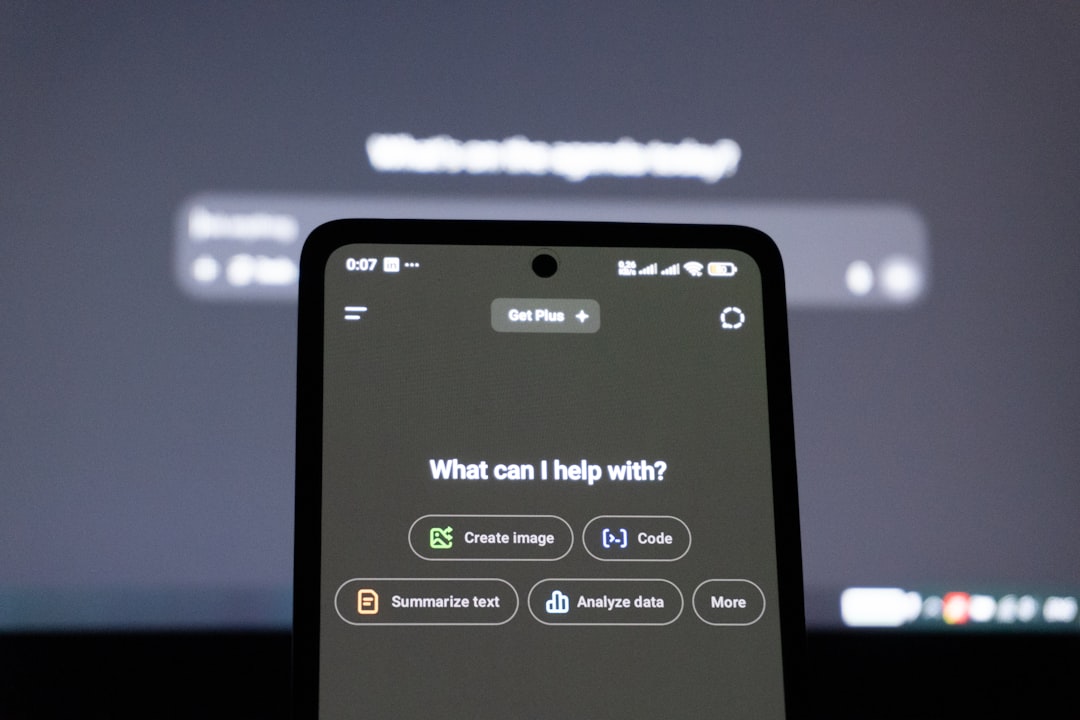
Even in technical fields, AI acts as a collaborator. Code generation tools can suggest lines of code, complete functions, or identify potential bugs, significantly accelerating development. The human developer maintains oversight, ensures logical integrity, and architects the overall solution.
The indispensable role of human ingenuity
In every collaborative scenario with AI, the human element remains paramount. It’s our unique capacity for critical thinking, ethical judgment, empathy, and storytelling that gives AI-generated outputs meaning and purpose. We define the problem, set the parameters, evaluate the results, and make the final creative decisions. Without human input, AI’s creations are merely sophisticated patterns; with it, they become art, communication, and innovation.
Our role is to guide, curate, and infuse the work with the very essence of what it means to be human. AI can mimic style, but it cannot replicate the lived experience, the cultural nuances, or the emotional depth that truly resonates with an audience.
Embracing the collaborative frontier
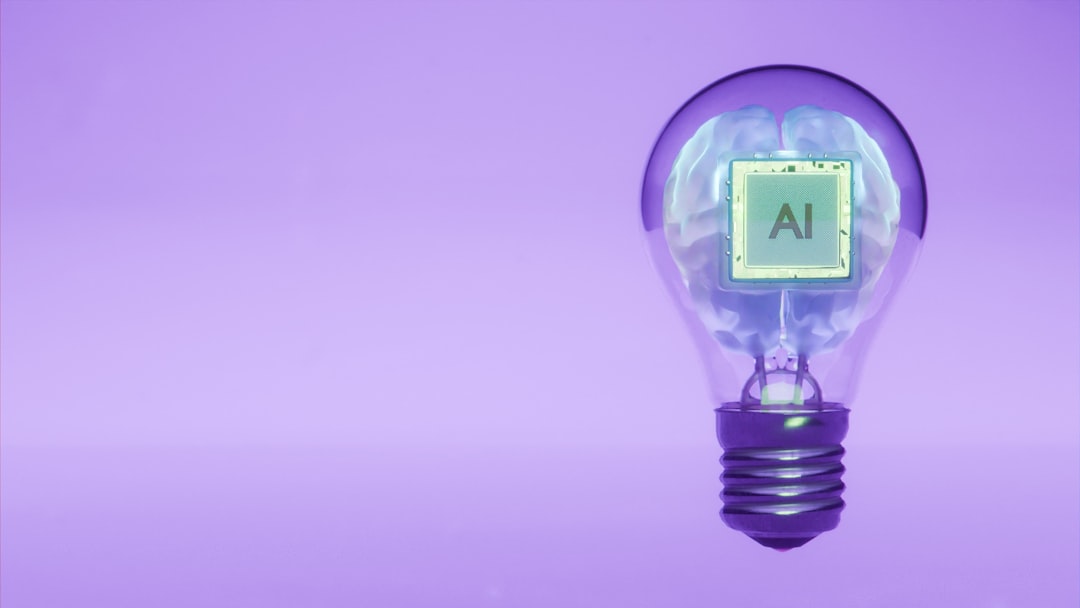
The future of creativity isn’t a battle between humans and machines, but a partnership. By understanding AI as a powerful collaborator, we unlock its true potential to amplify our own creative abilities, push boundaries, and explore new artistic territories. This perspective empowers us to focus on what humans do best – envision, innovate, and connect – while leveraging AI to handle the tasks it excels at. The most exciting creations of tomorrow will likely emerge from this dynamic synergy, where human ingenuity meets artificial intelligence in a truly collaborative dance.



Leave a Comment