

The power of clear communication
In today’s fast-paced digital world, effective communication isn’t just a nice-to-have; it’s essential. Whether you’re crafting an email, writing a blog post, or developing technical documentation, the clarity of your message directly impacts its reception. Unclear writing can lead to misunderstandings, wasted time, and a loss of credibility. But what if there was a powerful assistant ready to help you cut through the clutter and make your words shine? Enter Artificial Intelligence.

Why writing clarity often goes astray
Even the most seasoned writers can fall into traps that obscure their message. Common culprits include:
- Jargon overload: Using industry-specific terms without proper explanation.
- Overly complex sentences: Long, winding sentences with multiple clauses that are hard to follow.
- Passive voice: Making sentences less direct and often longer.
- Ambiguous phrasing: Words or phrases that can be interpreted in multiple ways.
- Repetition and redundancy: Saying the same thing multiple times or using unnecessary words.
These issues can leave your audience scratching their heads, struggling to grasp your core message. 
How AI elevates your writing for clarity
AI isn’t here to replace human creativity, but to augment it. Modern AI tools are incredibly adept at identifying and suggesting improvements for common clarity pitfalls. Here’s how they help:
- Grammar and syntax refinement: Beyond basic spell-check, AI can spot complex grammatical errors, punctuation mistakes, and awkward sentence structures that human eyes might miss.
- Sentence simplification and conciseness: AI can analyze lengthy sentences and suggest ways to break them down, rephrase them, or remove redundant words, making your prose more direct and impactful.
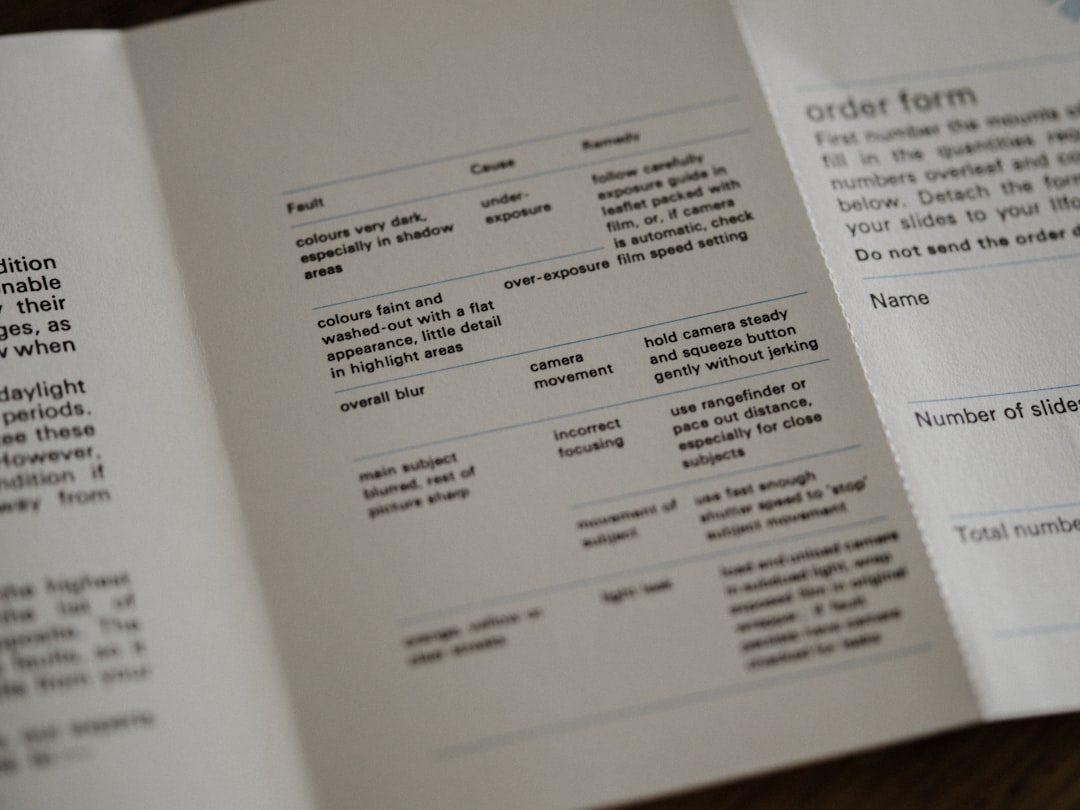
- Jargon detection and vocabulary suggestions: Some AI tools can identify complex or industry-specific jargon and suggest simpler alternatives or offer definitions, ensuring your content is accessible to a broader audience.
- Tone and style analysis: AI can assess the tone of your writing (e.g., formal, informal, confident, empathetic) and help you adjust it to better suit your audience and purpose.
- Readability scores: Many AI tools provide readability scores (like Flesch-Kincaid), giving you an objective measure of how easy your text is to understand and suggesting improvements.

By leveraging these capabilities, AI acts as a sophisticated editor, helping you polish your work to a high standard of clarity. 
Integrating AI into your writing workflow
Embracing AI for writing clarity doesn’t mean handing over the reins entirely. It’s about smart integration:
- Draft first, refine with AI second: Focus on getting your ideas down initially. Once your thoughts are on paper (or screen), use AI tools for the editing and refinement phase.
- Use AI for specific tasks: Don’t just hit “accept all.” Direct AI to help with specific challenges, like shortening sentences, checking for passive voice, or suggesting alternative phrasing.
- Learn from the suggestions: Pay attention to the changes AI suggests. Over time, you’ll start to internalize these principles, improving your natural writing ability.
- Maintain your voice: Always review AI suggestions to ensure they align with your unique writing style and voice. The goal is clarity, not robotic uniformity.

The indispensable human touch
While AI is a powerful ally, it’s crucial to remember that it’s a tool, not a replacement for human intellect and empathy. AI lacks true understanding of context, nuance, and the emotional impact of words in the same way a human does. It can’t fully grasp your audience’s specific background or the subtle intentions behind your message. Therefore, the final review, the ultimate decision on what stays and what goes, must always rest with you. Your critical thinking, creativity, and understanding of human connection are irreplaceable. 
A clearer path to impactful communication
Harnessing artificial intelligence to improve writing clarity isn’t about outsourcing your brain; it’s about empowering it. By offloading the tedious task of identifying grammatical errors and suggesting structural improvements, AI frees you to focus on the bigger picture: crafting compelling narratives, developing insightful arguments, and connecting deeply with your audience. Embrace AI as your intelligent co-pilot, and watch your words transform into beacons of clarity, driving greater understanding and impact in every message you send.




Leave a Comment