
The information deluge: Why personal knowledge management matters
In our hyper-connected world, information isn’t just abundant; it’s overwhelming. From articles and podcasts to emails and meeting notes, we’re constantly bombarded with data. Without an effective system to capture, organize, and retrieve this information, it quickly becomes noise rather than knowledge. This is where Personal Knowledge Management (PKM) comes in – it’s your strategy for making sense of the digital chaos, turning raw data into actionable insights, and ensuring you can find what you need, when you need it.
Traditionally, PKM has relied on manual effort: meticulous note-taking, folder structures, and tagging. While effective, these methods can be time-consuming and often struggle to keep pace with the sheer volume of modern information. This is precisely where artificial intelligence steps onto the scene, offering powerful new ways to streamline and supercharge your PKM efforts.

How AI supercharges your personal knowledge management
AI isn’t just a buzzword; it’s a game-changer for PKM. By automating tedious tasks and providing intelligent insights, AI tools can transform how you interact with your knowledge base. Here are some key ways AI enhances PKM:
- Intelligent summarization: AI can quickly digest lengthy articles, reports, or meeting transcripts and extract the core ideas, saving you hours of reading.
- Automated organization: Forget manual tagging. AI can analyze content, identify themes, and suggest relevant categories or connections between disparate pieces of information.
- Semantic search and retrieval: Instead of keyword-matching, AI understands the *meaning* behind your queries, allowing you to find information even if you don’t remember the exact words used.
- Content generation and synthesis: AI can help you draft summaries, rephrase notes, or even generate new content based on your existing knowledge, aiding in deeper understanding and creative output.
- Personalized learning paths: Some AI tools can analyze your learning patterns and suggest related content or areas for further exploration, acting as a personal tutor for your knowledge journey.
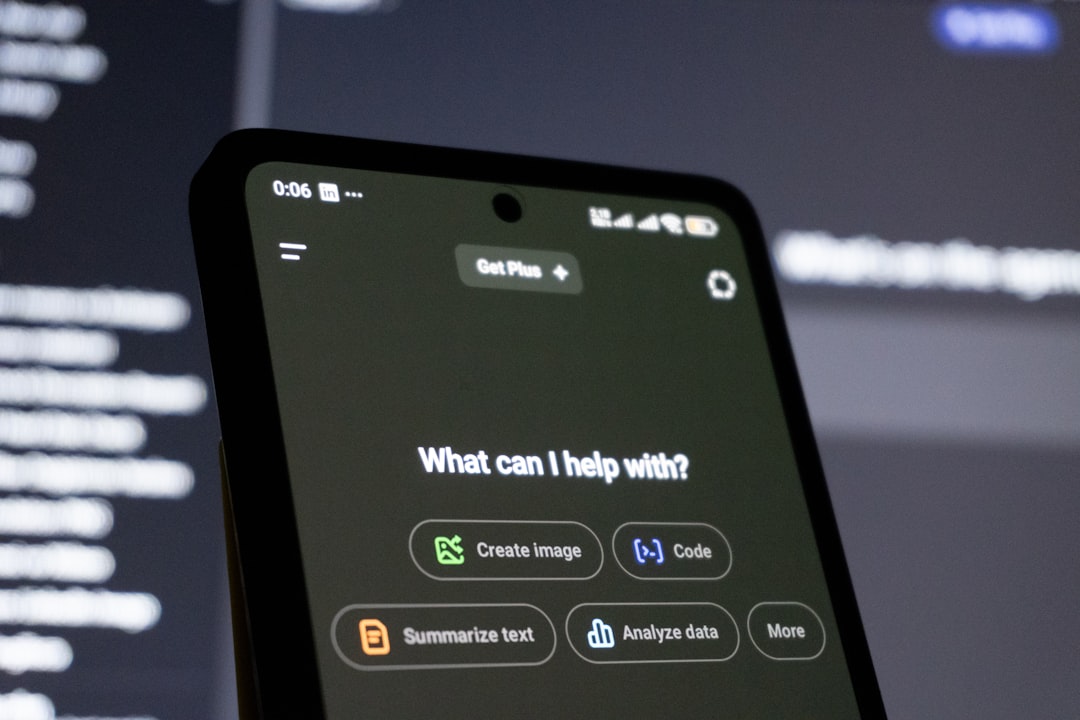
Essential AI tools for a smarter knowledge workflow
The market for AI-powered PKM tools is rapidly expanding. Here are some categories and examples of tools that can elevate your personal knowledge management:
AI-enhanced note-taking and second brains
These tools integrate AI directly into your note-taking process, turning simple notes into powerful knowledge assets.
- Notion AI: Built directly into the popular workspace, Notion AI can summarize pages, brainstorm ideas, translate text, and even help you draft content based on your notes. It’s excellent for those already using Notion for project management and documentation.
- Obsidian (with AI plugins): While Obsidian itself is a powerful local-first knowledge base, community-developed AI plugins can add features like intelligent linking suggestions, automated summarization, and even AI-powered chat with your notes.
- Mem.ai: This tool focuses on capturing “mems” (notes, links, thoughts) and uses AI to automatically tag, link, and organize them. Its “Mem X” feature offers AI-powered search and content generation based on your entire knowledge graph.

AI-powered research and content digestion
For students, researchers, or anyone dealing with large volumes of external information, these tools are invaluable.
- Perplexity AI: More than just a search engine, Perplexity provides direct answers with sources, making it excellent for quick research and understanding complex topics. You can also upload documents for AI-powered summarization and Q&A.
- Elicit: Designed for academic research, Elicit uses AI to find relevant papers, summarize key findings, extract methodologies, and even help you brainstorm research questions.
- Reader by Readwise: This read-it-later app uses AI to summarize articles, extract key takeaways, and integrate seamlessly with your note-taking apps, ensuring you get the most out of your reading.

AI for semantic search and intelligent retrieval
Finding information within your vast knowledge base becomes effortless when AI understands context.
- ChatGPT/Claude (for personal knowledge bases): While general-purpose LLMs, you can feed them sections of your notes or documents and ask specific questions, leveraging their understanding for retrieval. Some users even build custom GPTs trained on their data.
- Specialized knowledge base tools: Tools like Guru or Slab (often used in teams but adaptable for personal use) incorporate AI for semantic search, ensuring you can find answers across diverse document types without perfect keyword matches.

Integrating AI into your PKM workflow: A practical path forward
Adopting AI for PKM doesn’t mean abandoning your current system entirely. It’s about augmenting it. Here’s how to get started:
- Start small: Pick one area where you feel most overwhelmed, like summarizing articles or organizing meeting notes, and try an AI tool specifically for that.
- Experiment and iterate: Not every tool will fit your unique workflow. Test different options and see what truly enhances your productivity and understanding.
- Define your “why”: Understand what problem you’re trying to solve. Is it information overload, poor recall, or difficulty synthesizing ideas? This will guide your tool selection.
- Maintain human oversight: AI is a powerful assistant, but it’s not infallible. Always review AI-generated summaries or connections for accuracy and context. Your critical thinking remains paramount.
- Connect your tools: Look for integrations. Many AI tools can connect with your existing note-taking apps, cloud storage, or task managers to create a seamless ecosystem.

The evolving landscape of personal knowledge
The future of personal knowledge management is undoubtedly intertwined with AI. As these tools become more sophisticated, they will not only help us manage information but also foster deeper learning, spark creativity, and enable us to tackle increasingly complex challenges. By embracing AI, we’re not just organizing data; we’re building a more intelligent, responsive, and ultimately more human-friendly way to interact with the vast ocean of knowledge at our fingertips. The goal isn’t to replace our thinking, but to empower it, allowing us to focus on higher-level understanding and innovation.




Leave a Comment