

The indispensable human element in an AI world
Artificial intelligence is rapidly reshaping our workplaces, automating tasks, analyzing vast datasets, and even generating creative content. From predictive analytics to intelligent automation, AI tools promise unprecedented efficiency and insights. Yet, amidst this technological revolution, a crucial question emerges: Does human judgment still hold its ground? At TechDecoded, we believe the answer is a resounding yes. While AI excels at processing information, the nuanced, ethical, and strategic decisions that drive true progress still firmly rest with us.

This article delves into why human judgment isn’t just relevant but absolutely essential in an increasingly AI-driven professional landscape.
Where AI shines: efficiency and data mastery
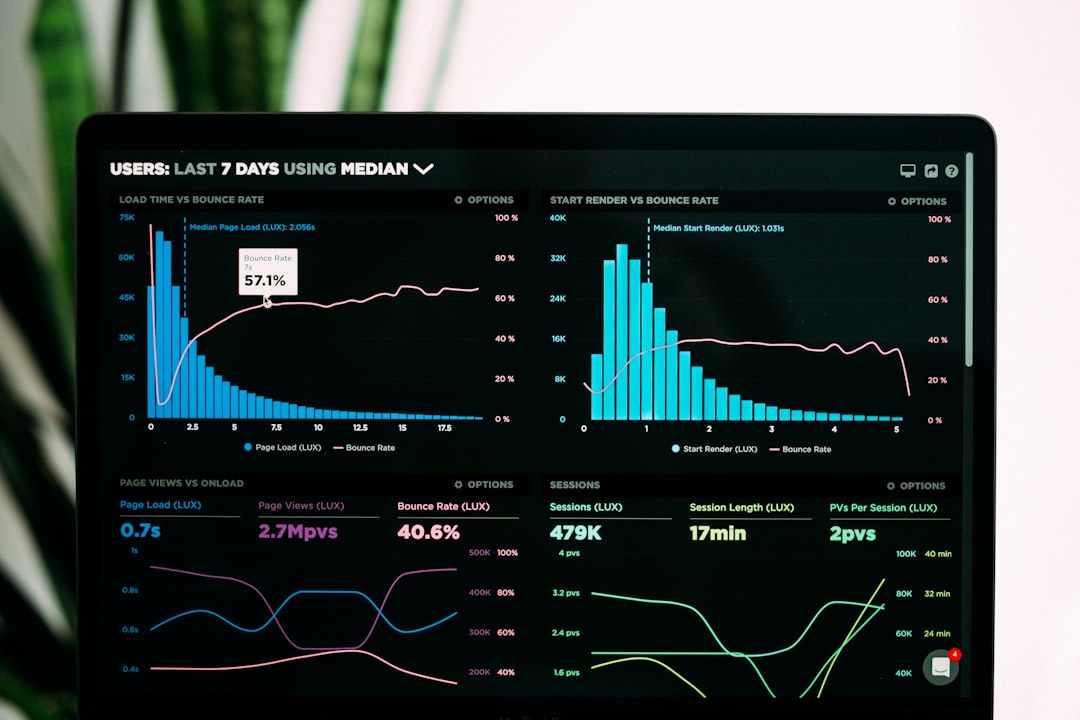
Let’s be clear: AI brings incredible advantages. It can sift through petabytes of data in seconds, identify patterns invisible to the human eye, and automate repetitive tasks with flawless precision. This frees up human workers from mundane chores, allowing them to focus on higher-value activities.
- Data analysis: AI algorithms can uncover trends and correlations in massive datasets, providing insights for business strategy, market analysis, and scientific research.
- Automation: Repetitive administrative tasks, customer service inquiries, and even some aspects of software development can be streamlined or fully automated by AI.
- Prediction: AI models can forecast future outcomes, from sales trends to equipment failures, enabling proactive decision-making.
The inherent limitations of artificial intelligence
Despite its prowess, AI operates within defined parameters. It lacks true understanding, common sense, and the ability to grasp the subtle complexities of human interaction and ethical dilemmas. This is where its limitations become apparent.
- Lack of empathy and emotional intelligence: AI can process sentiment, but it cannot genuinely feel or understand human emotions, which are critical for leadership, negotiation, and customer relations.
- Contextual blind spots: AI struggles with situations outside its training data. It can’t intuitively adapt to novel, unforeseen circumstances or understand the unspoken cultural nuances that often dictate human behavior.
- Bias amplification: If the data used to train an AI model contains biases (which much real-world data does), the AI will not only replicate but often amplify those biases in its outputs and decisions.
- Absence of true creativity: While AI can generate novel combinations of existing data (e.g., art, text), it doesn’t possess genuine creativity or the ability to innovate from first principles, driven by curiosity or intuition.

The irreplaceable power of human judgment
This is where humans truly differentiate themselves. Our capacity for critical thinking, ethical reasoning, and creative problem-solving remains unparalleled.
- Ethical decision-making: AI can provide data points, but only humans can weigh moral implications, societal impact, and long-term consequences, making choices that align with human values.
- Strategic vision and innovation: Humans possess the foresight to envision new possibilities, set strategic directions, and innovate beyond existing paradigms. AI can optimize, but humans define the destination.
- Complex problem-solving: When faced with ambiguous, ill-defined problems that lack clear data or precedents, human intuition, experience, and lateral thinking are essential.
- Interpersonal skills and leadership: Building teams, motivating employees, resolving conflicts, and fostering a positive work culture require empathy, communication, and leadership – skills inherently human.

Consider a doctor diagnosing a rare illness. AI can analyze symptoms and suggest probabilities, but the human doctor combines that data with patient history, emotional cues, and a nuanced understanding of human physiology to make a holistic, empathetic decision.
Cultivating human skills in an AI-augmented era
The rise of AI doesn’t diminish the need for human skills; it redefines them. The future workplace demands a focus on uniquely human capabilities that complement AI’s strengths.
- Critical thinking: The ability to evaluate information, question assumptions, and form reasoned judgments is more important than ever when interacting with AI-generated insights.
- Emotional intelligence: Understanding and managing emotions – both your own and others’ – is vital for effective collaboration, leadership, and customer engagement.
- Creativity and innovation: Focusing on generating new ideas, approaches, and solutions that AI cannot conceive.
- Ethical reasoning: Developing a strong moral compass to guide decisions, especially when leveraging powerful AI tools.
- Adaptability: The capacity to learn new tools, embrace change, and continuously upskill in a rapidly evolving technological landscape.

Navigating the future with human wisdom
The goal isn’t to choose between humans and AI, but to foster a symbiotic relationship where each augments the other. AI handles the data, the repetition, and the heavy lifting, while humans provide the wisdom, the empathy, the ethical framework, and the strategic direction. The most successful organizations in the AI era will be those that empower their human workforce to leverage AI as a powerful co-pilot, ensuring that technology serves humanity’s best interests, not the other way around. Our judgment, our values, and our unique human touch will continue to be the compass guiding us through the complexities of the modern workplace.



1 Comment